Two Renoir paintings swiped from a small museum on the French Riviera are back in safe hands. Six people have been arrested after the works — "Portrait of Madame Colonna Romano" and "Young Woman at the Well" — were recovered roughly a month after the heist, according to local authorities. The town's mayor, Bryan Masson, praised investigators, though officials stayed quiet on exactly how the trail led to the suspects. A news conference was expected to fill in the details.
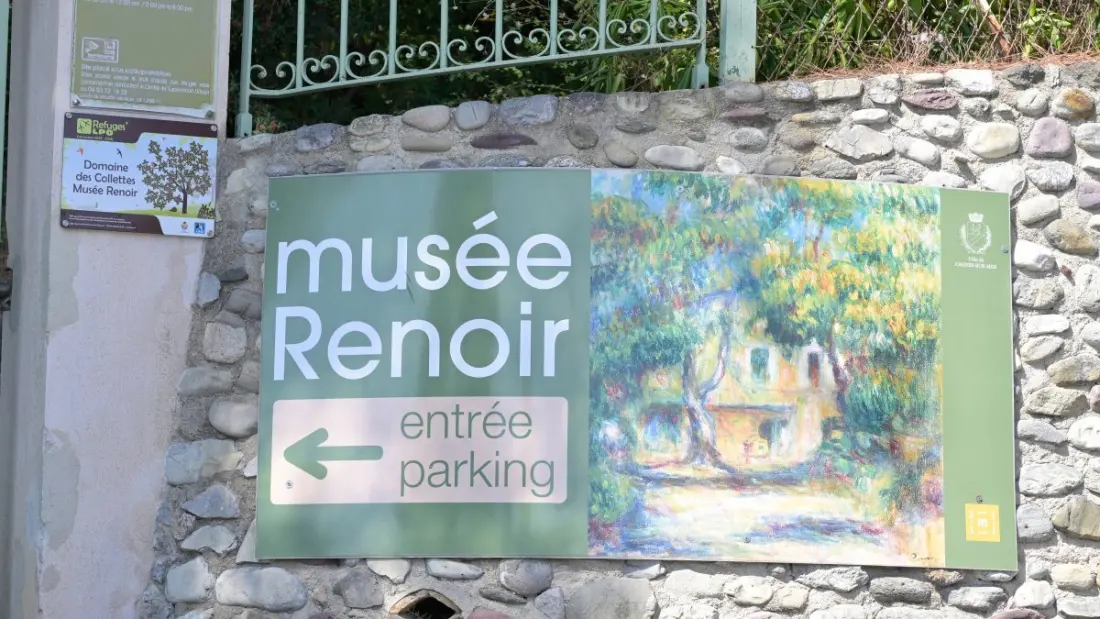
The theft itself was remarkably brisk. Thieves cut through a fence, climbed in through a window, and grabbed four valuable Renoirs in under three minutes, targeting the most prized pieces in the collection at the Renoir Museum in Cagnes-sur-Mer. Two of the four were abandoned as the thieves fled, and a nationwide hunt followed for the rest.
For anyone who has wandered the museum — set in the Mediterranean town where the impressionist painter spent his final years — the news is reassuring. It also stoked uncomfortable echoes of the audacious crown jewel robbery at the Louvre in Paris the previous year, and it has reignited debate in France about security and funding for the country's many smaller cultural institutions, which often guard treasures with far thinner resources than the big Paris museums.
Why should this matter to travellers? Small single-artist museums like the one in Cagnes-sur-Mer are among the most rewarding stops on the Riviera — quiet, affordable, and intimate in a way the Louvre never is. They also depend on visitor numbers and public support. If the episode prompts better protection for these collections, that's good news for anyone planning an art-focused trip through southern France.
Cagnes-sur-Mer itself makes an easy detour between Nice and Antibes, with a faded-glamour old town rising up a hill around its château. If you go, the Renoir estate — where the painter lived and worked with severe arthritis, painting until his death in 1919 — sits in gardens dotted with olive trees, and his originals hang in the house he designed. Knowing the collection was briefly one of France's most talked-about art crimes, and is now intact again, makes a visit all the more satisfying.