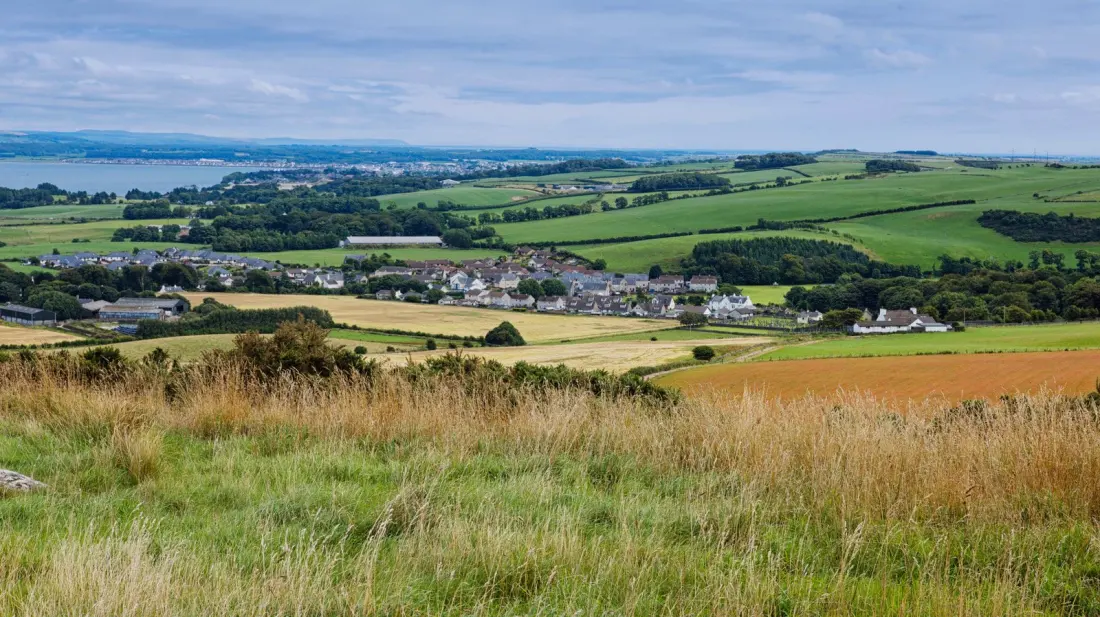
Stranraer spent most of its life as a ferry port. Sitting on Loch Ryan, a sea loch in southwest Scotland facing the Irish coast, it was the main jumping-off point for ferries to Northern Ireland. That all changed in 2011, when the ferry terminal moved further up the coast — and the town had to figure out what it was without the boats. The answer turned out to be sitting on the seabed: Loch Ryan holds one of the largest natural oyster beds in the UK.
Since 2017, Stranraer has thrown an Oyster Festival every September, drawing thousands of visitors to the loch's shores. Alongside plenty of eating and drinking, there's an oyster shucking championship with real stakes — the winner goes on to represent Scotland at the World Oyster Opening Championships. If you like your holidays with a side of shellfish and friendly competition, time your trip around it.
The town also trades on its nickname, the Gateway to Galloway. Less than 30 miles to the east sits Galloway Forest Park, the largest forest park in the UK, covering over 300 square miles across 16 separate forests. There's hiking and mountain biking in abundance, and the park holds another distinction: it was the UK's first Dark Sky Park, making it one of Europe's best spots for stargazing.
Back in town, Agnew Park has playgrounds, go-karts and a miniature railway for families, and the 16th-century Castle of St John — once a jail and military outpost — is free to visit from May to October. The Stranraer Museum, housed in the Old Town Hall, covers local history and archaeology. One caveat: the historic West Pier, part of the town's original harbour, is currently closed for repairs.
For somewhere to sleep, the Corsewall Lighthouse Hotel is the standout: a working lighthouse whose former lightkeeper's quarters have become 11 rooms, all with coastal views. Its restaurant serves a fixed-price menu to non-guests too, but book ahead.
Part of Stranraer's appeal is its climate. Thanks to the Gulf Stream's influence on Loch Ryan, it's milder than most of Scotland — temperatures rarely top 70°F or drop below freezing. Late June through August is considered prime time, though winters can be wet, so pack accordingly. And getting there is easier than you'd think: it's about a two-hour drive from Glasgow.