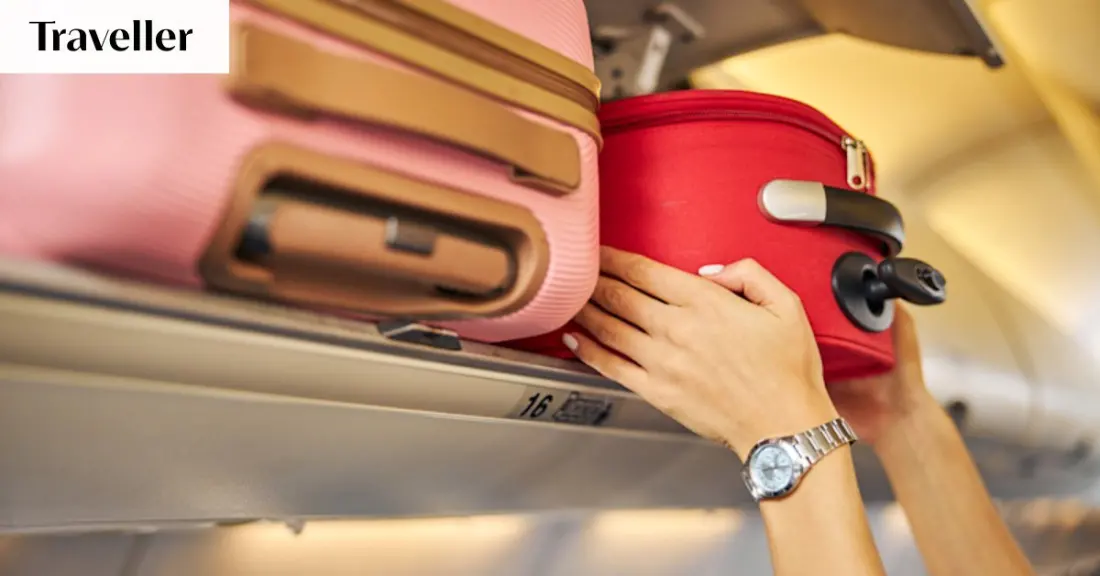
From October 23, 2027, anyone flying from an EU airport is guaranteed two pieces of cabin luggage at no extra charge: a small underseat item plus a larger bag for the overhead bin. The rule, Regulation (EU) 2026/2202, also covers flights into the EU operated by European carriers.
Sounds simple, but the fine print matters. The underseat bag is capped at 40 x 30 x 15 cm. The overhead bag has no fixed EU size — instead each airline must publish its own limits, and the usual European standard is 55 x 40 x 20 cm with a weight somewhere between seven and 10 kilograms.
The big losers are the budget airlines. Ryanair — the world's largest international carrier — currently lets passengers bring only one free underseat bag and charges for anything that goes overhead. With roughly a third of its revenue coming from these add-ons, it's called the rules "stupid" and warned that fares will rise for everyone, including travellers who board empty-handed. Legacy carriers selling stripped-back "economy basic" fares face the same squeeze.
There's also a likely workaround baked into the law: airlines must advertise fares including two cabin bags, but can offer a discount near the end of booking to passengers happy to travel with an underseat bag only. In practice, don't expect your Ryanair flight to get cheaper for free.
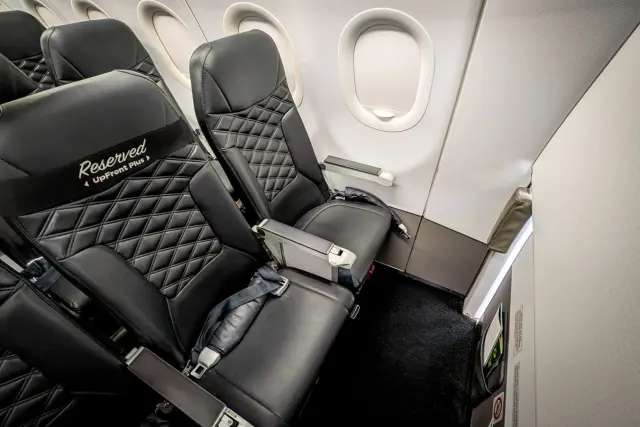
Then there's the physical problem: economy bins were never big enough for one bag per passenger anyway. If everyone takes the new allowance, late boarders risk having their bag gate-checked into the hold. Boarding early, choosing a mid-cabin seat, or travelling underseat-only are the savvy plays.
Australians aren't entirely exempt. Qantas' own limits (one 56 x 23 x 36 cm bag up to 7 kg plus an underseat item) still apply on QF6 from Rome and QF34 from Paris and on the roughly 60 weekly QF-coded codeshare departures from EU airports — though anyone connecting in Australia picks up the generous 14 kg domestic cabin allowance on arrival. Meanwhile Jetstar is heading the other way: from February 2, economy flyers get only an underseat bag, with overhead access requiring a Priority Carry-on option from $25 per sector (up to $52 on Cairns–Tokyo).
The regulation also bundles in minimum rights for bumped, cancelled, delayed and downgraded passengers, including missed connections — protections that will feel very familiar to anyone who's watched Australia's consumer rules debate.
Why care? If you're flying Europe's low-cost carriers after October 2027, the free overhead bag is a genuine win — but expect fare restructuring, size policing and bin-space scrambles. Pack light, board early and read the airline's published limits before you fly.