The family of a 14-year-old boy who died aboard an American Airlines flight has run out of legal road. On 5 October, the US Supreme Court declined to hear their challenge, closing out a case that had already been dismissed and leaving unresolved questions about onboard medical equipment and crew accountability.
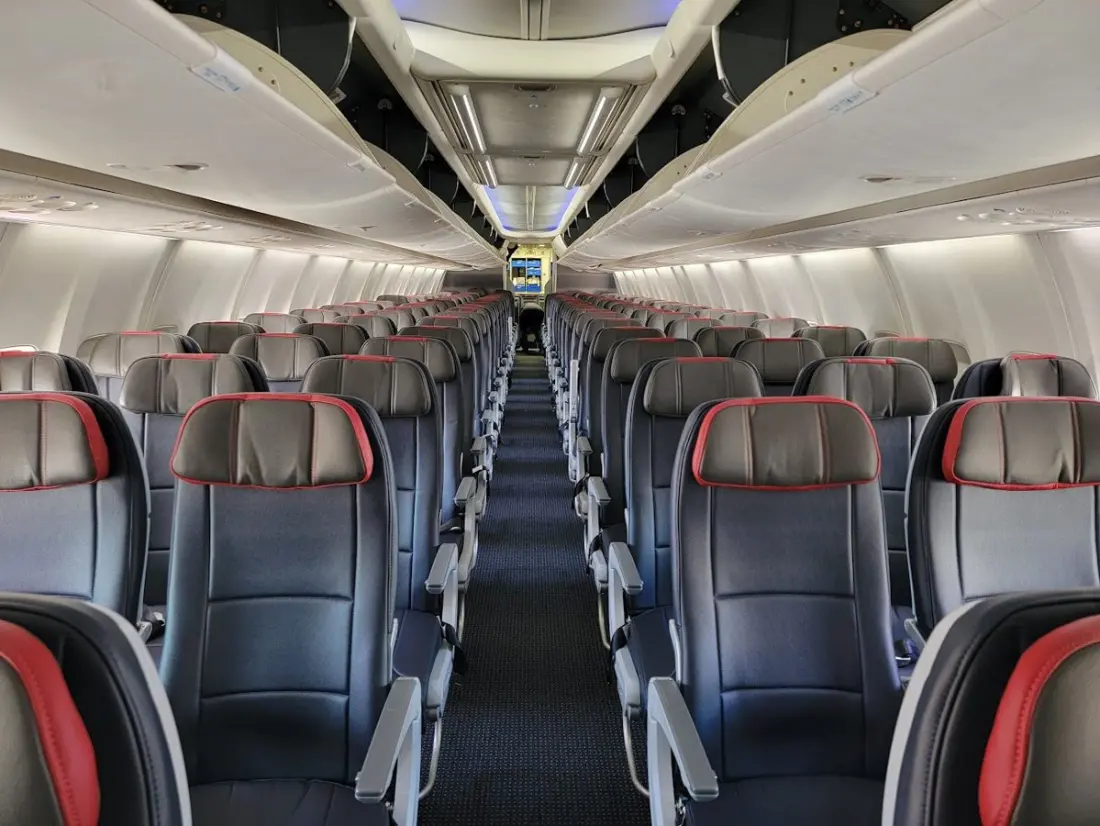
Kevin Greenidge was flying with relatives on American flight 614 from San Pedro Sula, Honduras to Miami on 4 June 2022. Seated in row 32, he struggled to breathe, asked for his asthma inhaler and lost consciousness. A nurse and a doctor travelling as passengers rushed to help, and it took several people to move Kevin from his window seat so CPR could begin. The flight diverted to Cancun, where paramedics boarded the aircraft; he was pronounced dead that evening.
The case turned on two issues. The first was the crew's response. The Fifth Circuit Court of Appeals sided with the airline, holding that under the Montreal Convention — which governs international flights — the family had to prove not just an ineffective response but "willing inaction": a deliberate refusal to help. Since flight attendants moved Kevin, fetched medical equipment, assisted with CPR and prompted the captain to divert, that bar was not met. Notably, other US appeals courts apply a looser standard, and the Supreme Court's refusal to take the case leaves that split in place.
The second issue was the onboard defibrillator. The family claimed it had a dead battery and that crew didn't know how to use it. The device's internal record showed a shock was delivered; four witnesses, including the medical volunteers, said they never saw one. The first time the machine analysed Kevin's rhythm it deemed it non-shockable and advised continued CPR; eight minutes later it detected a shockable rhythm and a flight attendant pressed the button. An appeals court had let that factual dispute go forward — but in September a judge threw out the remaining claims, ruling that the family's expert could not reliably show a working defibrillator would have saved Kevin. Studies cited on survival-to-discharge rates ranged from the mid-30s down to 23% for children with a non-shockable initial rhythm, well short of the 50% causation threshold required.
Why should travellers care? Because it shows how hard it is to hold airlines accountable when in-flight medical care goes wrong, especially internationally. Crews are trained in CPR and defibrillator use, but training and real-world performance are different things, and the legal system requires proof of cause of death that families often cannot produce. If you or someone you fly with has a cardiac emergency at 35,000 feet, the outcome may depend less on what happens in the cabin than on the odds built into the situation — and courts, at least in the Fifth Circuit, will not second-guess a crew that tried. The case could theoretically be appealed separately, but as it stands, no jury will hear whether American's equipment actually failed.