A unusually fierce El Niño — dubbed a 'superniño' — is building in the Pacific, and it's putting South America's highest peak on alert. Argentina's Aconcagua, which towers to 6,961 metres in Mendoza province, opens to trekkers in November and to climbing expeditions on December 1 each year. This season, though, that calendar is in doubt.
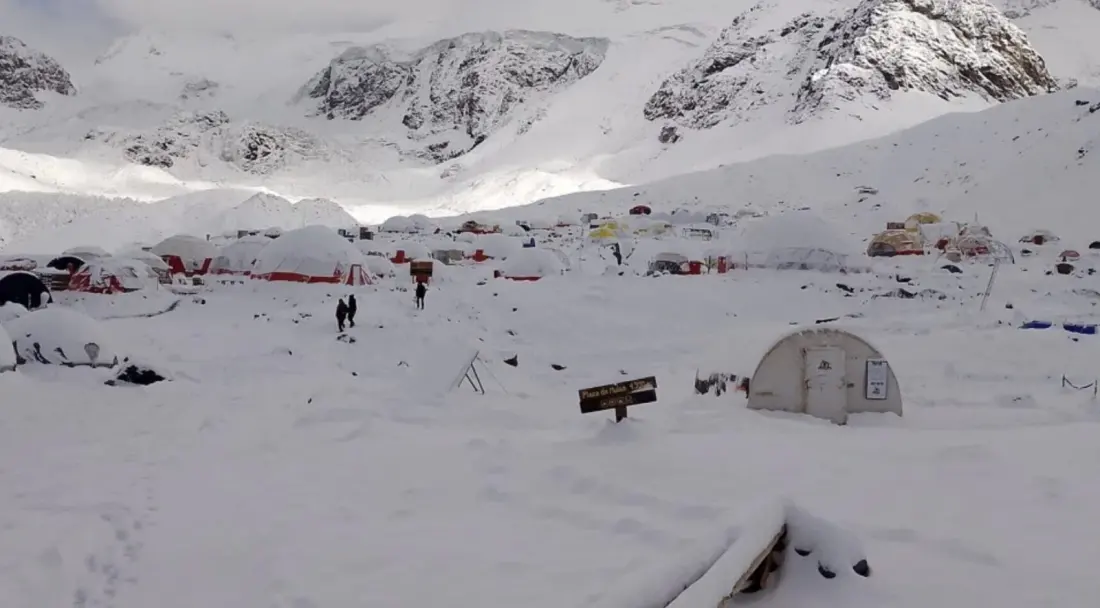
Sea surface temperatures in the central Pacific are running so far above normal that forecasters expect the phenomenon to peak in December at around +2.7°C above average. Warm, moist air off the ocean typically translates into heavy precipitation inland, and Argentina's meteorological service is predicting a colder, wetter spring than usual. Mendoza authorities have already issued alerts for flooding and intense snowfall, several mountain passes are shut, and neighbouring Chile is dealing with serious rain and snow too. Even the webcams at Portillo ski resort, just 27km from Aconcagua, are showing full winter conditions.
For the mountain itself, all that moisture means trouble. Guiding companies worry that snow-buried trails and swollen rivers could cut off the lower camps before the season even starts. Higher up, the usual dry scree slopes may be replaced by sheets of ice, and avalanche risk will be significantly elevated — a real concern on a peak that draws thousands of trekkers and summit hopefuls every southern summer.
Park authorities are holding off on announcing an opening date, with local media pointing to December 5 or December 15 as tentative starts. That's a delay of days to two weeks, which matters if you've booked flights, leave and guides around the normal schedule.
If you're planning an Aconcagua trip this season, build in flexibility. Confirm your operator's contingency plans, expect a later and possibly shorter window, and take the avalanche and ice conditions seriously — the mountain's normal routes rely on straightforward terrain that a heavy snow year can transform. Anyone trekking the lower approaches should also prepare for river crossings and muddy or snow-covered trails well into the early season.
The broader takeaway: this superniño will be felt across the southern Andes for months, not just on opening day. Watch for updated forecasts from Argentina's weather service and official Aconcagua Provincial Park announcements before locking in your dates.