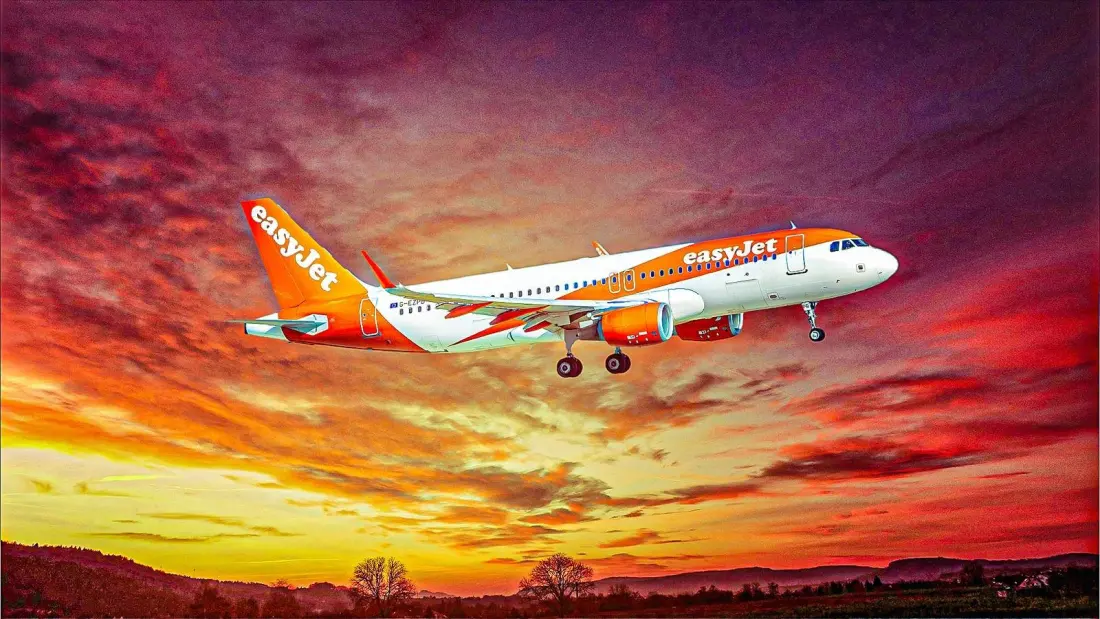
If you're planning a winter sun break or a ski trip with easyJet between October and March, it's worth double-checking your route. The UK budget airline has confirmed it is removing a further 700,000 seats from its winter schedule, on top of the 600,000–700,000 it had already flagged earlier this summer. easyJet normally sells around 50 million seats over the winter season, so the combined cuts represent a meaningful dent — the latest batch alone equates to two full days of the airline's entire flying operation.
The driver is fuel. The ongoing crisis in the Middle East has pushed jet fuel prices sharply higher, and IATA has warned airlines collectively face an extra $100 billion in fuel costs in 2026. easyJet's CEO Kenton Jarvis told the Financial Times that trimming the schedule lets the carrier rely less on expensive unhedged fuel — the portion of its supply tied to volatile spot prices rather than cheaper, contract-locked hedged fuel. In plain terms: fewer flights, but better protection for the airline's margins.
For passengers, the practical impact depends on your route. easyJet stresses the changes are a small slice of its overall programme and says it has targeted multi-daily frequency routes, so affected customers can usually be moved onto an alternative flight the same day. Still, thinner schedules generally mean higher fares on remaining departures, especially during peak winter weeks.
There's also a longer-term pattern here. Since January 2025, easyJet has quietly dropped six airports from its network, including Milan Bergamo, Stockholm Arlanda, Istanbul, Harstad/Narvik in northern Norway, Oslo Gardermoen and, from January 2027, Leeds Bradford — the latter a notable loss for a UK home market. Some of that capacity is being redeployed rather than lost: initial plans for 2026 showed a record 105 million easyJet seats overall, so the network is shifting shape rather than simply shrinking.
easyJet isn't alone. Ryanair has cut its traffic target for the year to March 2027 by two million passengers, down to 214 million, with jet fuel reportedly trading at $140 a barrel at one point. Ryanair says the move will reduce its winter losses by somewhere between $81 million and $116 million, and it remains hedged on 80% of its fuel at $67 a barrel.
So who should care? Anyone booking a winter 2026–27 flight on Europe's budget carriers. Book earlier than usual, expect less flexibility if a cancellation hits, and keep an eye on whether your local airport — particularly smaller regional ones — is still served at all. The era of ultra-cheap, ultra-frequent winter flying isn't over, but it's getting tighter.