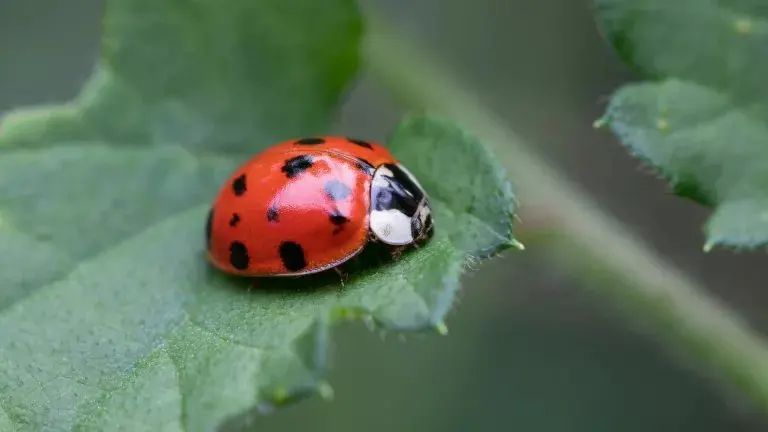
Beach walks along parts of the Western Cape have taken a surreal turn lately: the high-tide line at Strand has been littered with thousands of ladybirds, with more sightings at Gordon's Bay, Lambert's Bay and Woodbridge Island near Milnerton. Some of the beetles were still alive when they reached the sand; many were not.
The short version of what happened, according to Renier Basson, an entomologist and Senior Field Officer at the Endangered Wildlife Trust, is that weather set the whole thing in motion. A stretch of heavy rain made vegetation flourish, which meant a boom in aphids — the ladybird's favourite food. Then conditions flipped to hot and dry, the aphids thinned out, and the ladybirds took off in search of greener patches.
Ladybirds are not exactly skilled aviators. They travel by riding warm air currents, sometimes climbing hundreds of metres into the sky and letting the prevailing wind do the work. Off the Western Cape, that gamble went wrong: strong winds apparently swept migrating beetles out to sea, where they dropped into the water and were later washed back ashore.
If you're on the coast and see this, there's no need for alarm on the conservation front. Basson says the event is unlikely to dent ladybird populations. South Africa has around 300 described ladybird species, and the beach arrivals represent just a small slice of that — most local species are smaller and far less conspicuous than the classic red-and-black beetle we all picture. Mass insect wash-ups are rare but not unprecedented; similar episodes tied to insect migration and shifting weather have been recorded elsewhere in the world.
For travellers, this is one of those odd natural spectacles worth knowing about rather than planning around. It's a good reminder of how weather patterns inland can end up visible on the shoreline — literally. If you're walking the strand at Strand or the dunes at Woodbridge Island in the coming weeks, you may still see stragglers along the tide line. Treat it as a curiosity: don't squash them, and note that live beetles found near the water are likely exhausted migrants rather than something to rescue by carrying inland.
The bigger takeaway for anyone holidaying on the Cape coast is that late-summer conditions — rain followed by heat — can trigger these insect movements, and the beaches between Strand and Gordon's Bay have been the most affected this time around. It hasn't stopped swimming or beach life; it's simply an unusual, slightly melancholy natural event playing out on the sand.
Story via Getaway South Africa.