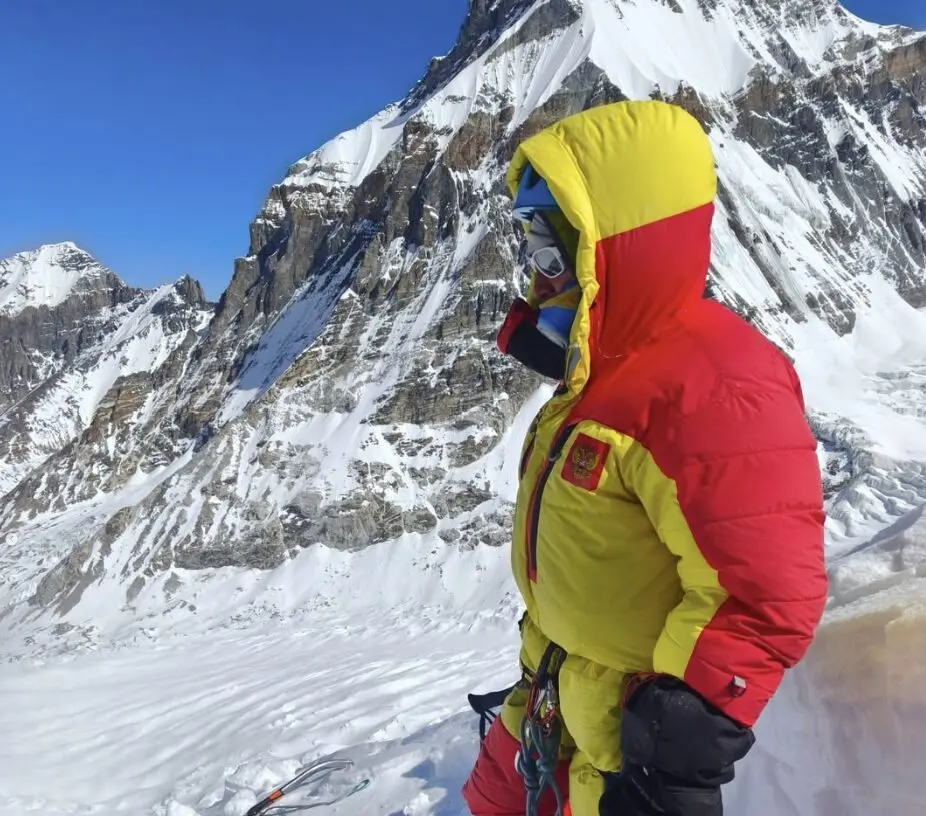
A trio of Russian climbers is heading back up Everest this weekend, undeterred by forecasts of hurricane-force winds. Andrei Vasiliev, Sergey Kondrashkin and Vitaly Shipilov plan to start their climb on Sunday, November 22 — the very day forecasters expect the strongest gusts of the week. Their style is about as stripped-back as it gets: no bottled oxygen, no support, and no other people on the mountain at all.
This is not their first rodeo. On their most recent push, the third expedition of their season so far, they only made it to 6,700 metres before winds of up to 130kph forced them back down. According to Natalyia Belyankina, a former team member who left the expedition for health reasons but remains in contact, the group remains determined.
The Sunday start, however, is not a summit bid. The plan is to stay low on the mountain, climbing only to Camp 1 at 5,600 metres while the worst weather passes. From there they will wait for the winds to ease, then push higher to around 7,500 metres to acclimatise before descending back to their base in Lobuche — targeting a return around November 28. The real summit attempt would follow once conditions allow.
The clock is ticking, though. The team's permit expires on December 15, and Kondrashkin admits that whether they can squeeze a summit push into that window, and whether the weather behaves, are the big open questions. Nepal's autumn Everest season traditionally ends in late November, with winter rules kicking in on December 1, although permits for teams on non-standard routes may have some flexibility.
Adding to the intrigue, once winter properly settles in, German climber Jost Kobusch is lined up to attempt a solo winter ascent of Everest — via the same West Ridge route the Russians are currently probing. It means this faces of the mountain could see back-to-back attempts from two very different expeditions in a single season.
For travellers, this is a reminder that Everest's off-season still draws serious alpinists chasing quieter, harder lines — and that the mountain around Lobuche and the Khumbu remains a dramatic place even after the main trekking crowds have gone home.