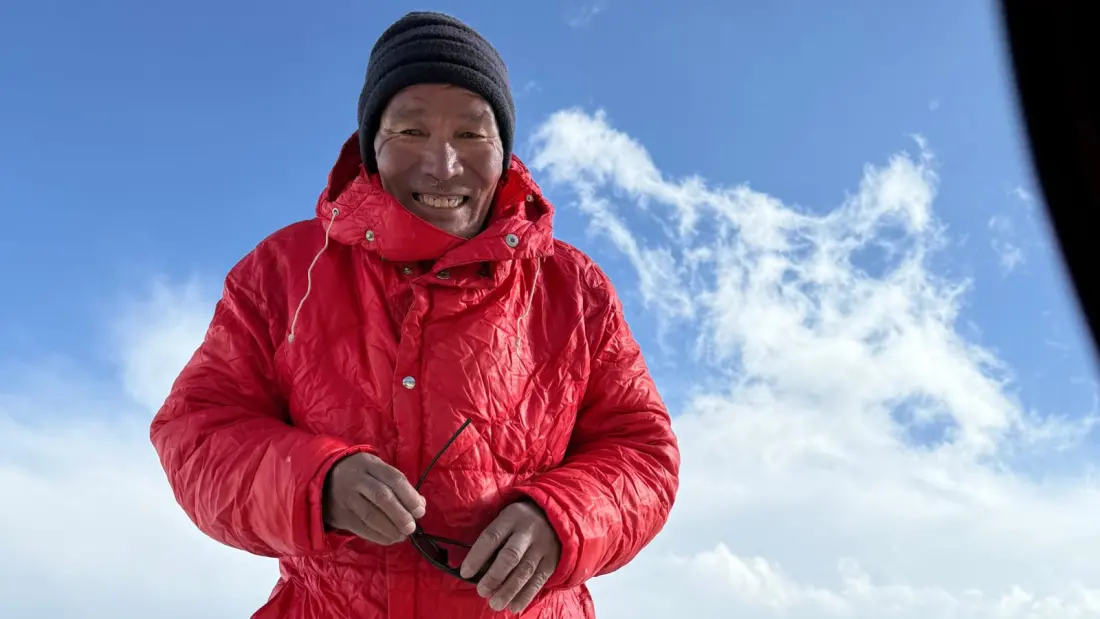
A 57-year-old cook from Nepal has become one of the most remarkable survival stories Everest has ever produced — and his ordeal is now forcing an awkward conversation about how cut-price expeditions treat the workers who shoulder the mountain's real risk.
Hillary Dawa Sherpa was hired for the 2026 spring season as a seasonal cook at Camp II for Himalayan Traverse Adventures, a budget guiding outfit with just two paying clients: a British ex-Royal Marine named Chris Thrall and Mariusz Chmielewski, a plumber from Poland. He was never meant to climb. But late in the expedition, after the company sent one of its experienced climbing Sherpas home, Hillary Dawa says he was asked to step in — for 10,000 rupees a day. "I didn't even want to go to Everest this year," he told Outside.
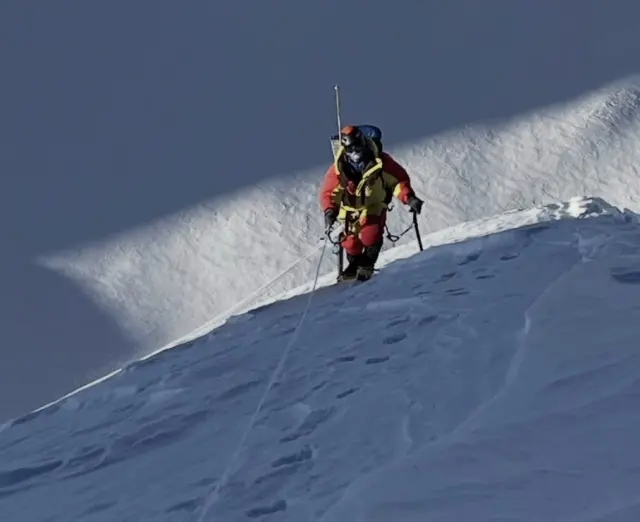
On the descent from high on the mountain, carrying eight empty oxygen bottles (losing one meant a $250 salary deduction) and a client's sleeping bag, he ran out of supplementary oxygen near the edge of the Death Zone on May 29. He told Thrall to carry on, sat down to rest — and that was the last anyone saw of him for six days. The company did not launch an immediate search. Rescue efforts eventually came from a larger operator, 8K Expeditions, and as the days passed, reporters added his name to the season's dead. His family had already begun funeral rites at a Kathmandu monastery.
What was actually happening on the mountain reads like fiction. Regaining consciousness, Hillary Dawa edged down alone, scavenging abandoned tents for scraps of food and water. At the Khumbu Icefall, a ladder bridge collapsed and dropped him 50 feet into a crevasse; he saved himself by grabbing a safety rope, sliding down it to a small snow ledge — where his leg broke. He spent two and a half days on that precipice, rationing a few candies and a packet of instant coffee and sucking ice for moisture. On the night of June 3, an avalanche roared into the crevasse. He prayed, braced for the end — and survived. By morning, the avalanche debris had formed a snow ramp. He hauled himself up on one good leg, then crawled through the icefall for another day and night before emerging near Base Camp, where camp workers finally got him to safety.
For travellers, the story matters well beyond its jaw-dropping survival angle. Everest's commercial machine depends heavily on high-altitude workers — cooks, rope fixers, guides — who are often moved between roles, exposed to the Death Zone with minimal support, and paid modestly by Western standards. Hillary Dawa's case highlights what can happen when small operators run lean teams and skip immediate rescue responses. Anyone booking a Himalayan trek or climb would do well to ask hard questions: what insurance and rescue provisions exist, who staffs the expedition, and what happens if someone goes missing. Six days in the Death Zone should not be survivable. That one man made it says as much about the system's failures as it does about his extraordinary will to live.