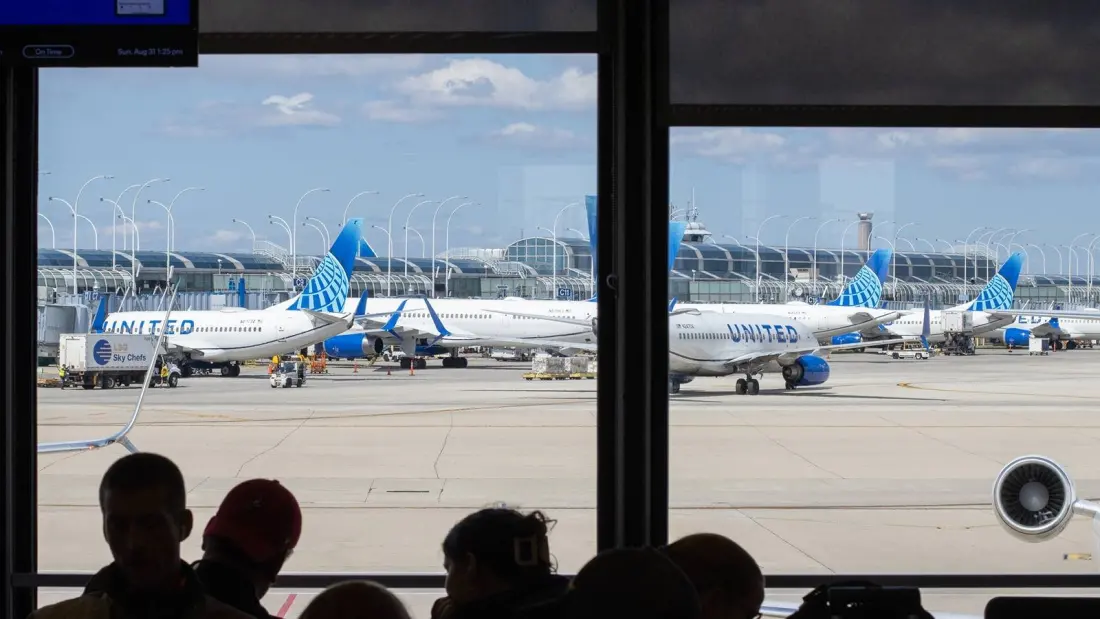
United Airlines has become the first major US carrier to formally prohibit third-party AI agents from booking, changing, or checking passengers in on flights. The restriction, announced on 11 November, has been written into United's Contract of Carriage — and the detail that matters most is Rule 5.H, which lets the airline cancel any reservation made or managed by an AI assistant, without notice. Even if you personally supervised the agent and approved every step, your booking could still be scrapped.
The definition of an AI agent here is deliberately wide. United's Rule 6.J.6 covers AI assistants, standalone agents, and even AI-powered browsers that handle tickets, purchases, or account changes. The ban applies across United's own app and website, plus travel agencies and aggregator platforms — so there's no obvious workaround by booking through a third party.
Why the hard line? United points to safety and security. Sharing your login credentials with a personal AI assistant could expose sensitive account data, trigger unintended purchases, or burn MileagePlus miles. There's also a regulatory angle: under federal hazardous-materials rules (49 CFR 175.25), passengers must personally acknowledge at check-in that their bags contain no prohibited items. An AI completing that check-in for you, United argues, bypasses a legally required confirmation.
But there are commercial motives too. CEO Scott Kirby has said he has no interest in creating "another middleman" between the airline and its customers. And aviation analyst Henry Harteveldt told CBS News that flight searches cost airlines real money — a flood of AI bots running thousands of automated fare searches would add expense without adding bookings. Delta was reported last month to be quietly blocking similar tools; United is simply the first to say so out loud and codify it.
There's a certain irony in all this. While United bans your AI agent, it's investing heavily in its own AI for selling tickets — and the FTC recently ordered United, Delta, and JetBlue to explain how they set fares and whether personal data plays a role, amid so-called surveillance pricing concerns.
What does this mean for travellers? Practically speaking, not much changes for now if you book the old-fashioned way — through United.com, the app, or a human travel agent. But if you've been experimenting with AI tools that promise to find, book, and manage your flights automatically, think twice before pointing them at United. The airline can legally cancel the reservation without telling you, which is a nasty surprise to discover at the airport. If an AI tool asks for your United login or MileagePlus credentials, that's now both a security risk and a violation of the airline's ticketing rules. Watch this space — other US carriers are likely to follow with formal policies of their own.
Via Simple Flying.