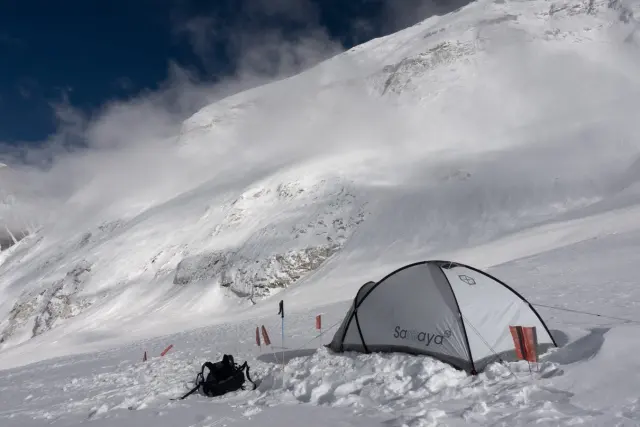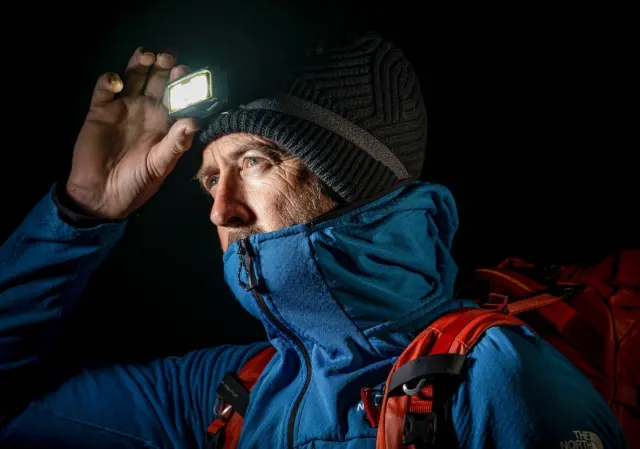
A new book from Kathmandu's Vajra Publications sends readers back into one of Nepal's most remote corners — this time through the eyes of someone who has known the country for five decades. The Leopard and the Moon: A Journey in Dolpo, Nepal, by Nigel Roberts, follows the 65-year-old author as he repeats the route made famous by Peter Matthiessen in The Snow Leopard, walking through Dolpo, past Phoksundo Lake and over Kagmara Pass to Jumla.
The original 1970s expedition by Matthiessen and zoologist George Schaller produced two classics: Matthiessen's meditative account of grief and the search for the elusive cat, and Schaller's Stones of Silence, on his research into Himalayan blue sheep. Roberts, who first arrived in Nepal in 1974 as a volunteer with the Britain-Nepal Medical Trust and later served as the World Bank's representative there in the 1990s, has his own reasons for the walk. His life echoes Matthiessen's more than coincidentally — family illness, bereavement, and a need to test body and mind against a harsh trans-Himalayan landscape. Even their sons share a name: both are called Alex.
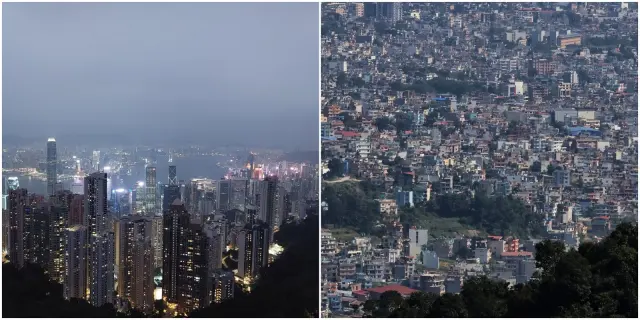
What makes the book worth a traveller's attention is how much it documents change. Roberts took nine years to write it, and the manuscript ends up charting a before-and-after Nepal: rising connectivity, waves of labour migration, improved living standards. Dolpo itself remains without proper roads, though a seasonal track now reaches Dunai, bulldozers are cutting a motorable route towards Mustang, and traders ride motorcycles to the Chinese border. Anyone dreaming of trekking there will find a rare window into a region that is still, for now, walked rather than driven.
This is not a trekking guide. The Nepali Times review describes it as deeply personal and confessional — a journey from Nyasaland to Nepal to Virginia, and finally into the high desert of Dolpo in search of meaning after loss. Roberts is upfront that he wasn't chasing spiritual absolution the way Matthiessen was; instead, Nepal is where he feels most at home precisely because he doesn't blend in. His conclusion is a quiet one for anyone who hikes: the walk itself may not change you, but remembering and writing it down might.
The book runs to 287 pages, priced at Rs1,200, with a postscript touching on Nepal's GenZ movement — a nod to how fast the country has moved even while the manuscript was being written.
For trekkers, the appeal is twofold: a literary companion to one of Nepal's most demanding routes, and an honest portrait of how the country around those trails has transformed since the 1970s. Read it before you go, and the walk to Phoksundo becomes two journeys at once — one across Dolpo, one through fifty years of memory.
Review via Nepali Times.