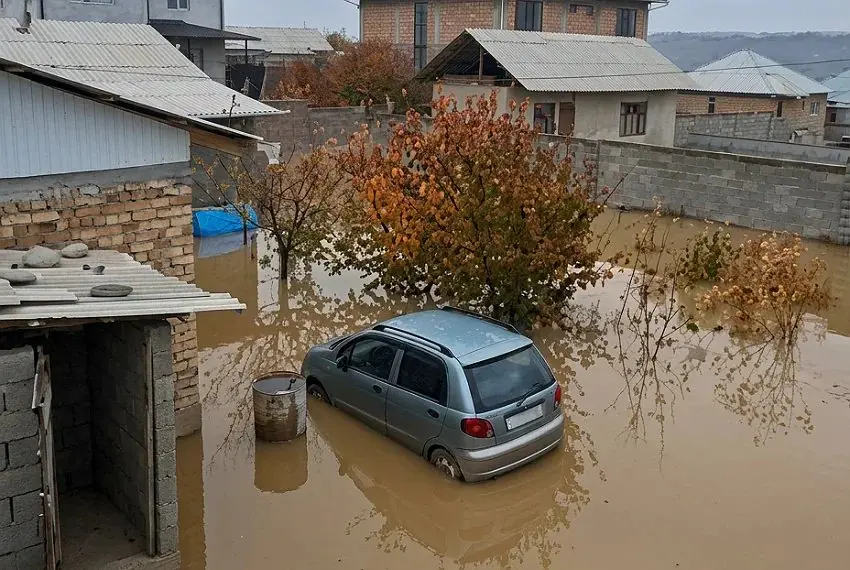
Eleven homes in the village of Toloikon, on the edge of Osh in southern Kyrgyzstan, woke up to waterlogged yards after a leak at a nearby industrial site. According to the Osh City Department of the Ministry of Emergency Situations, water escaped from beneath the foundation of the retaining wall of a water storage basin at the Alaberdi crushing and screening plant, then spilled into neighbouring residential properties.
The response has been swift. More than 20 emergency personnel and six pieces of special equipment were dispatched to the scene, where crews are pumping water out of the affected yards and working to stop the flooding from spreading to further homes. No injuries or damage estimates had been reported at the time of the announcement.
For most holiday planners, this is a minor local story rather than a reason to change plans. Osh sits hundreds of kilometres from the popular trekking hubs of the north, and no roads, attractions or transport links have been affected. But it is a small reminder of what Kyrgyzstan is like outside the postcard spots: a country where heavy industry and village life sit side by side, and where events like this unfold quietly in ordinary neighbourhoods.
Travellers passing through southern Kyrgyzstan usually come for Osh's own drawcards — Sulaiman-Too, the UNESCO-listed sacred mountain rising over the city, and the famous Osh bazaar, one of Central Asia's liveliest markets and a classic stop on the old Silk Road route. The city is also the main jumping-off point for the Pamir Highway into Tajikistan, so plenty of overlanders base themselves here for a night or two.
If you happen to be in Osh while something like this unfolds, the practical takeaway is simple: follow local advice, avoid flooded streets and low-lying areas, and rely on your guesthouse or hotel for up-to-date information. Emergency services in Kyrgyzstan respond quickly, as this incident shows, and disruptions of this kind are typically contained within a day.
The bigger picture for visitors is that Kyrgyzstan remains one of Central Asia's most rewarding and affordable destinations — hiking around alpine lakes, staying in yurt camps and experiencing genuine nomadic hospitality — and local incidents like this one barely register on the traveller's radar beyond the neighbourhoods involved.