Vietnam has set up a national council for the fourth time to award its highest honours for intangible cultural heritage — the titles of People's Artisan and Meritorious Artisan. Deputy Prime Minister Phạm Thị Thanh Trà signed the decision on October 16, 2026, with Culture, Sports and Tourism Minister Lâm Thị Phương Thanh chairing the 15-member body, which also includes deputy minister Dr Hoàng Đạo Cương and Dr Phạm Huy Giang of the Central Emulation and Commendation Board, plus twelve experts and senior officials from institutes and departments nationwide.
The council's job is to review nominations and recommend individuals to the State President for the two titles, then dissolve once the work is done. It operates under Decree 93/2023 and is funded from the state budget via the culture ministry. Applications are open to Vietnamese people who practice, teach and promote living heritage across a wide range of categories: folk spoken and written language, folk literature, performing arts, social customs and beliefs, traditional festivals, folk knowledge and traditional crafts. Fine-arts handicrafts are explicitly excluded — that field has its own honours.
Candidates need more than talent. They must show exceptional skill in a recognised heritage, have contributed meaningfully to safeguarding it, produced work of cultural or artistic significance, and — crucially — taught others who are now carrying the tradition forward. Recognition happens every three years around National Day on September 2, a tradition running since 2015. So far, 65 artisans hold the People's Artisan title and 563 are Meritorious Artisans.
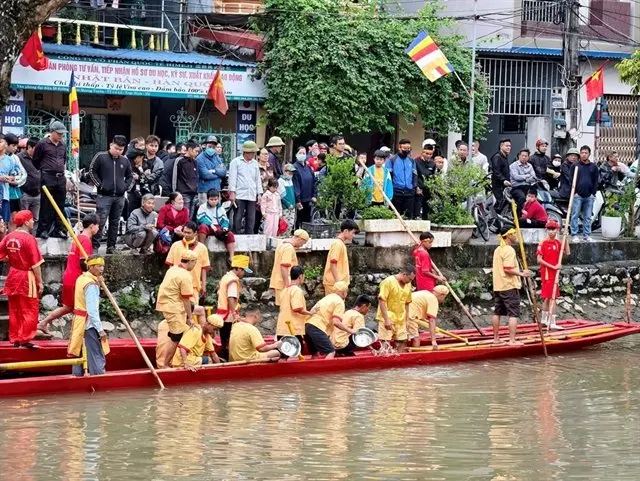
Why should a traveller care? Because these are the people keeping alive the traditions you actually encounter on a trip to Vietnam — 'then' singing of the Tày, Nùng and Thái communities in the northern mountains, a UNESCO-listed practice; or ca trù, the sung poetry of Hanoi, flagged by UNESCO as needing urgent safeguarding. When you book a performance, a workshop or a village homestay, the artisans on stage or teaching you are often exactly the kind of people these titles celebrate. The triennial cycle means fresh names get added to the roster around each National Day, giving culture-focused travellers a periodically updated list of masters worth seeking out — from folk opera in the Red River Delta to festivals and crafts in the highlands.
For anyone planning a heritage-heavy itinerary, the takeaway is simple: Vietnam is putting real state weight behind its living traditions, and the most rewarding experiences often come from watching or learning from honoured artisans rather than from staged shows. Time a visit near September 2 and you may even catch award-related celebrations alongside the national holiday itself.