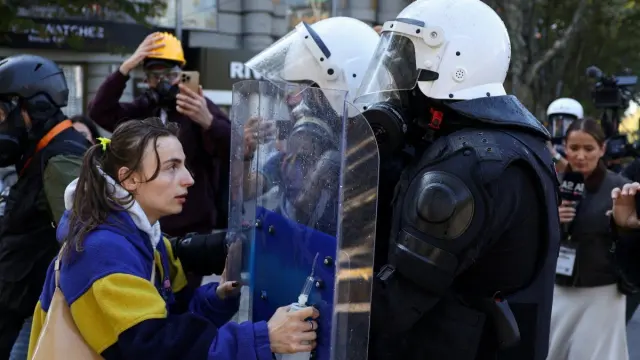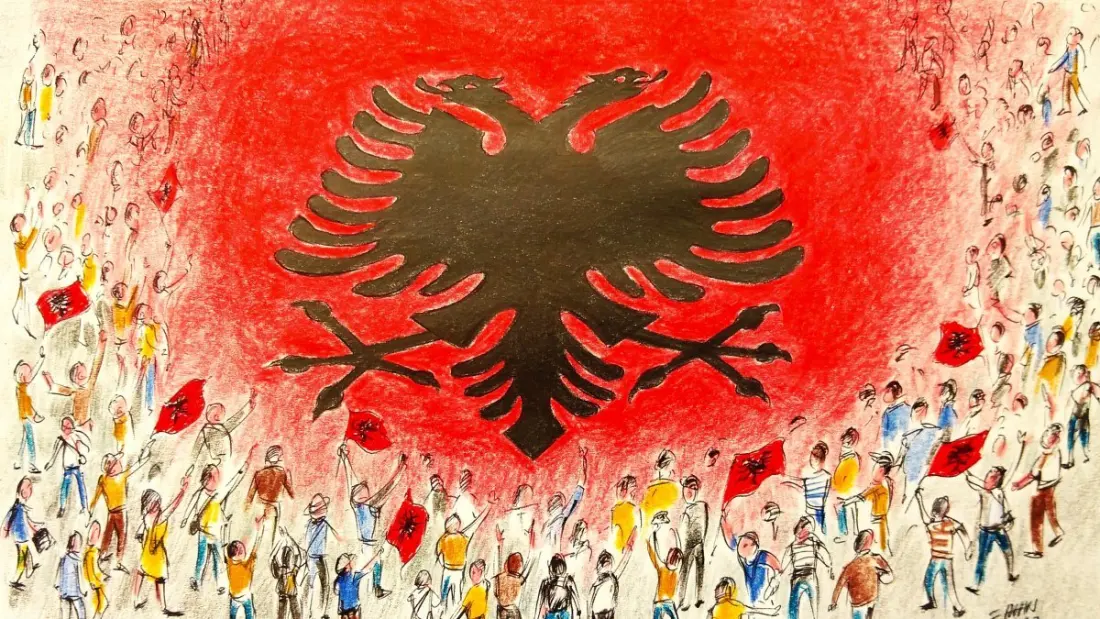
Albania's capital has been hit by its worst street violence in years, and the trigger is a tourism story. What started as student-led demonstrations in Tirana escalated into arson and molotov cocktail attacks on government ministries and party headquarters, injuring more than 270 people — over 150 of them police officers.
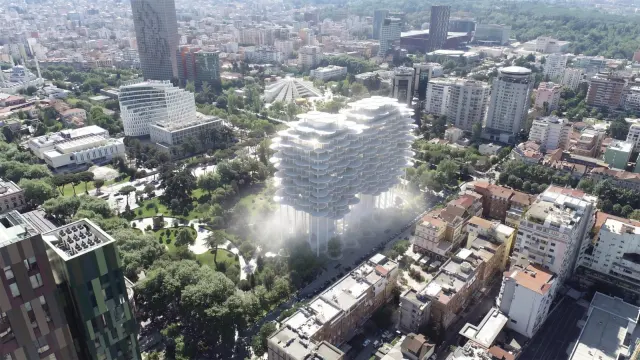
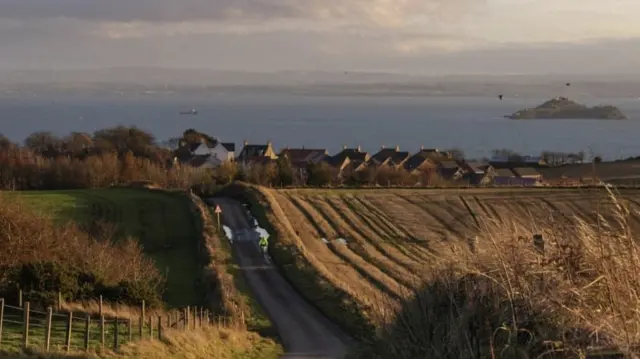
The flashpoint is a cluster of multibillion-dollar luxury real estate projects on Sazan Island and at Zvernec, both on Albania's Adriatic coast. The schemes are backed by Jared Kushner, the former US president's son-in-law, and tied to Israeli-linked investment funds. Protesters accuse Prime Minister Edi Rama of selling off public coastline to foreign interests under the banner of tourism development. Rama, in turn, has blamed "foreign hands" — specifically Iran — and says a drone carrying explosives was intercepted before it could strike the Prime Minister's Office.
The anger is puzzling on paper. Rama's Socialist Party won a landslide just last year, taking over 52% of the vote and 83 of 140 parliamentary seats. But the protests reveal a gap between election results and street sentiment, and much of the fury is aimed not just at domestic policy but at Rama's foreign alignment: his government has pivoted firmly toward Israel since Tirana and Tehran froze relations in 2022, after a major Iranian cyberattack crippled Albania's digital infrastructure. Rama has even spoken in the Knesset, and his proposal for a Vatican-style sovereign Bektashi state in Tirana is widely read as part of that geopolitical tilt. For many demonstrators, the Kushner coastal deals symbolise decisions made in Washington and Tel Aviv rather than in Tirana.
Where does this leave the country's big tourism push? Kushner's Sazan project was pitched as a flagship of Albania's attempt to turn its underdeveloped coastline into a Mediterranean luxury draw — the kind of development that puts previously quiet beaches and islands on the map. Those plans now sit at the centre of a political firestorm, and it is far from clear how long the protests will last or how the government will respond. Brussels has called for restraint while trying not to destabilise an EU accession candidate it still sees as a regional partner, and Türkiye, a close ally with deep economic and defence ties to Tirana, is pushing quietly for calm.
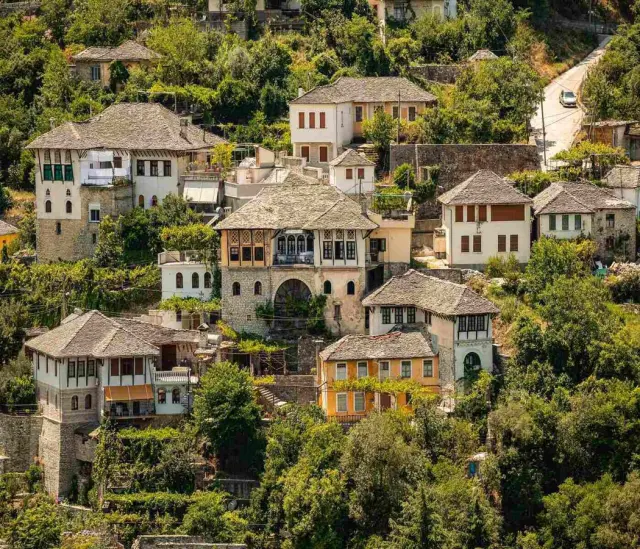
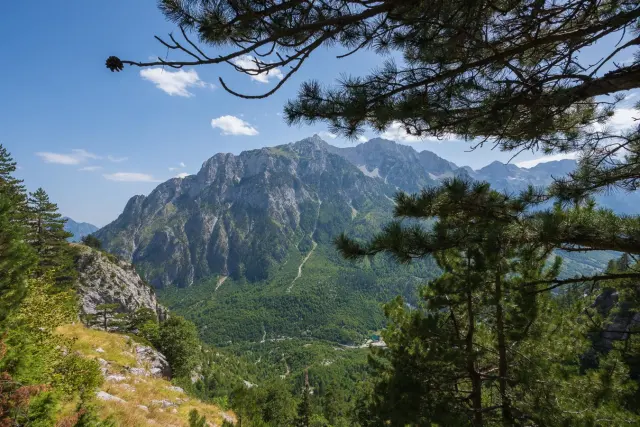
For anyone planning a trip, the practical picture is this: the violence has been concentrated in central Tirana around government buildings, not in the beach resorts or UNESCO towns most visitors head for. But demonstrations can flare with little warning, roads can close at short notice, and a heavy police presence is likely in the capital for the foreseeable future. Travellers with bookings in Tirana should monitor local news and their foreign ministry's advice, steer clear of any large gatherings, and build buffer time into airport transfers during announced protest days. Albania's coastal destinations — the Riviera, Vlorë near the disputed projects, Berat and Gjirokastër inland — remain open for business, though the political row over foreign-backed development on that very coastline is a story that will keep shaping the country's tourism future.
Story via Daily Sabah Travel.