
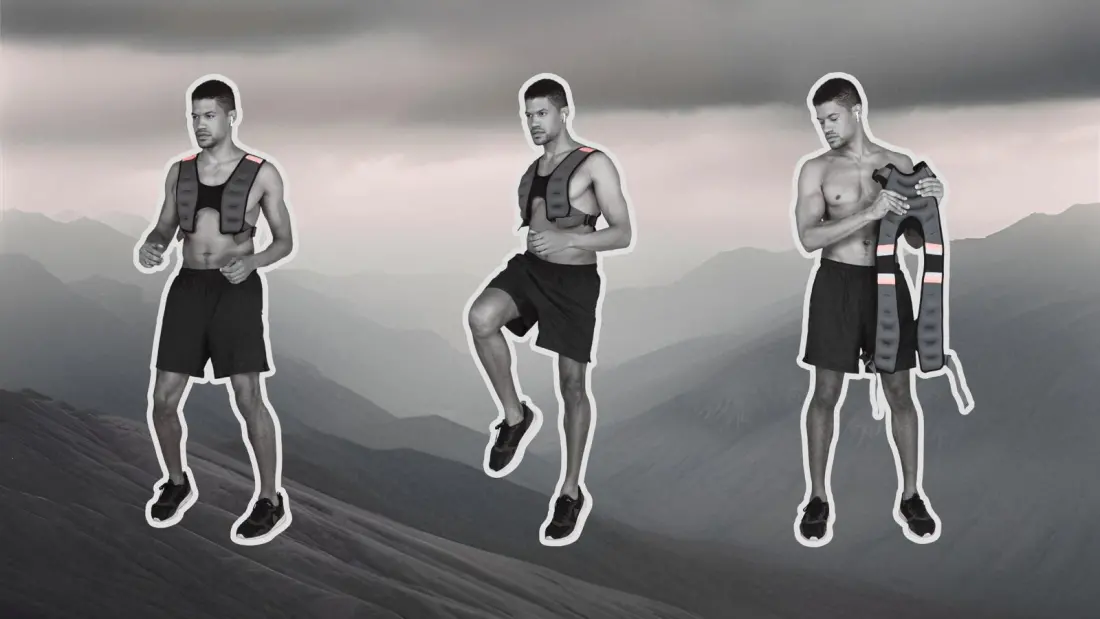
The weighted vest has quietly become fitness's most visible accessory, pushed along by viral videos of people rucking around their neighbourhoods and, since May 2025, official Peloton streaming classes built entirely around them. Outside Online took a close look at whether the hype holds up — and the short answer is yes, with caveats worth knowing before you buy one to toss in your luggage.
The idea is ancient. Spartan boys in the agoge, the state-run training programme that peaked around the 5th and 4th centuries BCE, carried heavy shields — roughly 15 pounds and three feet wide — across long distances as hoplite soldiers. Modern militaries kept the logic: Cal Coblentz, a former US Air Force survival specialist, told Outside that hauling 50 pounds was a baseline, with training packs sometimes exceeding 100 pounds. Nobody needs to recreate that. But a modest, evenly distributed load does real work.
Physical therapist Peter Mason explains why the vest format beats alternatives: weight sits close to your trunk and spreads evenly across the body, so postural muscles work harder and no single joint absorbs the strain — unlike dumbbells in your hands, or, say, a 15-pound baby in a front carrier. Vests have long been a rehab tool for this reason, useful for people rebuilding after injury or managing osteoporosis, since they add progressive loading without demanding grip strength. A 2026 study in Physiological Reports backed the cardio claim: among 51 participants with obesity, those wearing a vest at 15 percent of body weight showed measurably higher heart rate and cardiovascular workload than those in nearly weightless vests.
The limits matter too. Mason is blunt that vests are not a substitute for heavy resistance training if you want serious strength gains — they are a conditioning tool, not a barbell replacement. For boosting a brisk walk or adding load to squats, lunges and push-ups, though, they fit neatly into everyday life, including travel days when the hotel gym is a treadmill and a mirror.
If you're tempted, the protocol is simple. Start at five percent of your body weight — about eight pounds for a 160-pound person — once or twice a week on non-consecutive days. A sensible ceiling is 10 to 15 percent of body weight. Progress only when your movement feels clean and you're pain-free with minimal fatigue. Fit counts: snug enough not to bounce, loose enough to breathe and walk naturally. And some people should skip it or check with a clinician first — anyone pregnant, recently postpartum, dealing with pelvic floor symptoms, a vertebral fracture, balance issues or a spine condition. Pain, dizziness or pelvic pressure means take it off immediately.
Why does this matter to travellers? Because walking is the best way to actually see a place, and a weighted vest turns a sightseeing stroll into genuine training with zero kit beyond what you wear. It's also a tidy insurance policy for staying fit on trips where routines fall apart. Just remember the market is booming — projected to hit $350 million by 2033 — so ignore the influencer claims and treat it as a tool, not magic.
Story reported by Outside Online.