Ghost stories have nothing on a thru-hike at 2 a.m. when something starts rustling outside your tent. A piece from The Trek rounds up the genuinely unnerving things that happen on long-distance backpacking trips — and, usefully, what to do about each one.
The classics are all there. Night noises that turn out to be a squirrel, not a mountain lion (shout "Hey, bear!" if you need reassurance). The dead phone and drained power bank when FarOut is your only map — the fix is a paper backup, keeping the phone off until junctions, and topping up at libraries, gas stations or hostels in town.
Then come the logistical horrors. Picture hitching into town at 4:45 p.m. on a Saturday for your resupply box, only to find the post office shut until Monday. The advice: check opening hours in advance, mail to hostels instead where possible, and know how to bounce a box or improvise with dollar-store food. Money is another quiet fear — motel rooms, restaurant blowouts and a busted gear item can burn through a budget fast, so the guidance is austerity mode: skip zero days in resort towns, cook your own dinners, and use nero days to avoid paying for accommodation.
Social weirdness makes the list too. Trail life creates an artificial bubble, and sometimes you just want rid of your hiking companions. Options range from taking a zero to let the group pull ahead, to deliberately hiking a 10-mile or 30-mile day to reset your orbit. If someone matches your pace to stay close, an honest conversation is the only real solution.
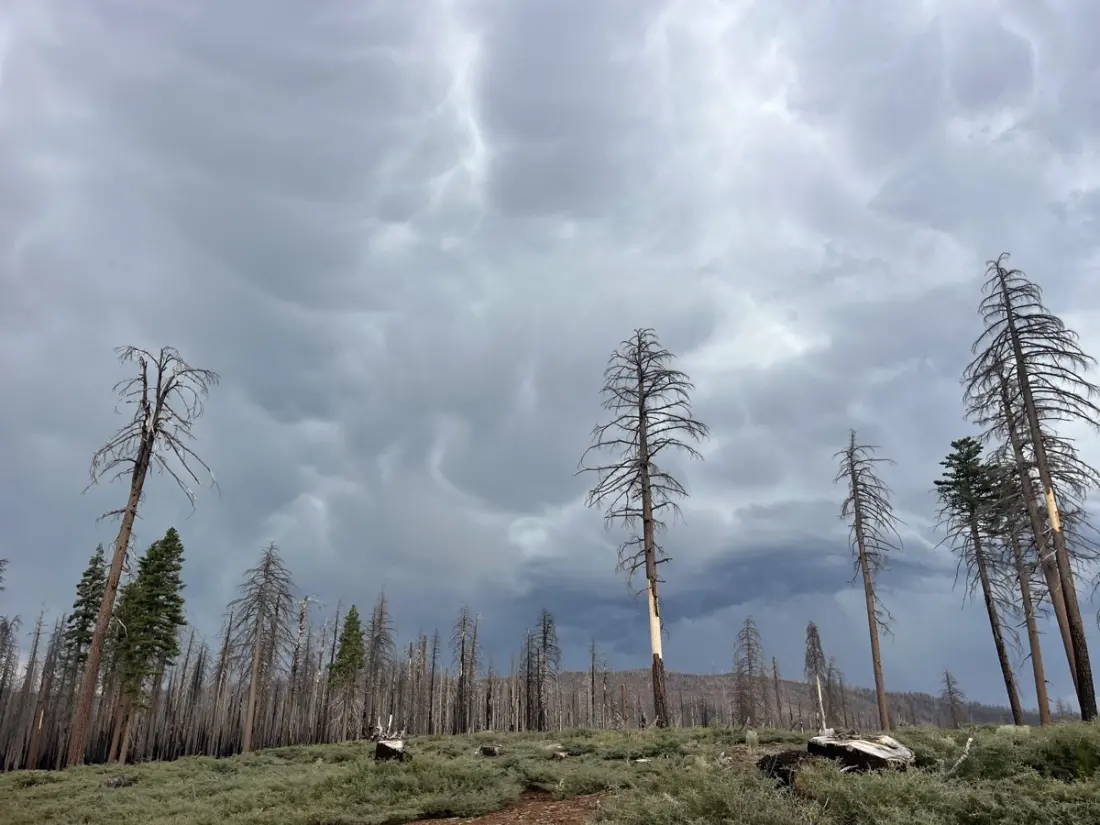
The genuinely alarming scenarios get solid treatment. A stolen pack — shelter, sleeping bag, passport and all — argues for never losing sight of it in tourist areas, filing a police report, leaning on the famously generous trail community, and possibly hiding an AirTag in the bottom of your bag. A popped sleeping pad at midnight calls for a patch kit, an alcohol wipe, and improvising insulation from your sit-pad and spare clothes. A dry water source means checking recent user comments before leaving the last one, rationing, and cutting your mileage rather than risking heat exhaustion. Mouse droppings in your food bag — the writer recalls specks on their spork mid-chips on the Continental Divide Trail — mean tossing anything chewed through, per FDA guidance, and storing food in a hard-sided canister or a proper hang away from tree trunks.
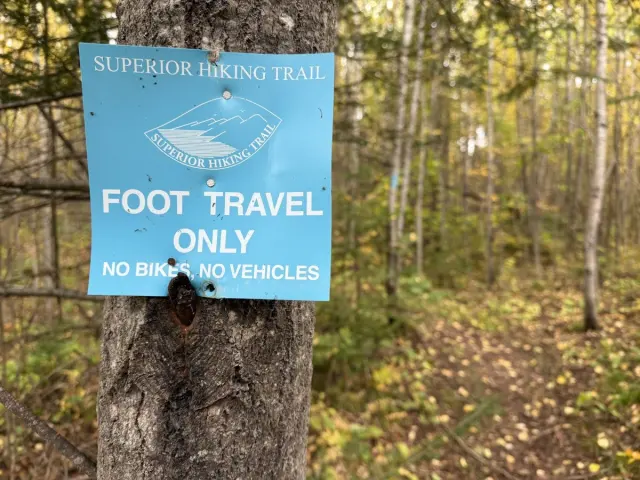
The final scare is the slow-dawning one: your blue dot is miles off the red line and you haven't seen a blaze in an hour. Rule one is blunt — stop walking. Don't hope the trail loops back; check the map and retrace to the missed turn, bonus miles and all.
Why should a holidaymaker care? Because more travellers are trying long-distance trails each year, often in shoulder season when conditions bite. The through-line here is preparation: test your gear, carry backups, know your resupply logistics, and most trail terrors turn out to be survivable — if mildly embarrassing — stories for the hostel afterwards.