Most thru-hikers measure their days in miles. But a recent Appalachian Trail journal entry from day 156 of a northbound hike shows why the best memories sometimes come from stepping off the trail entirely.
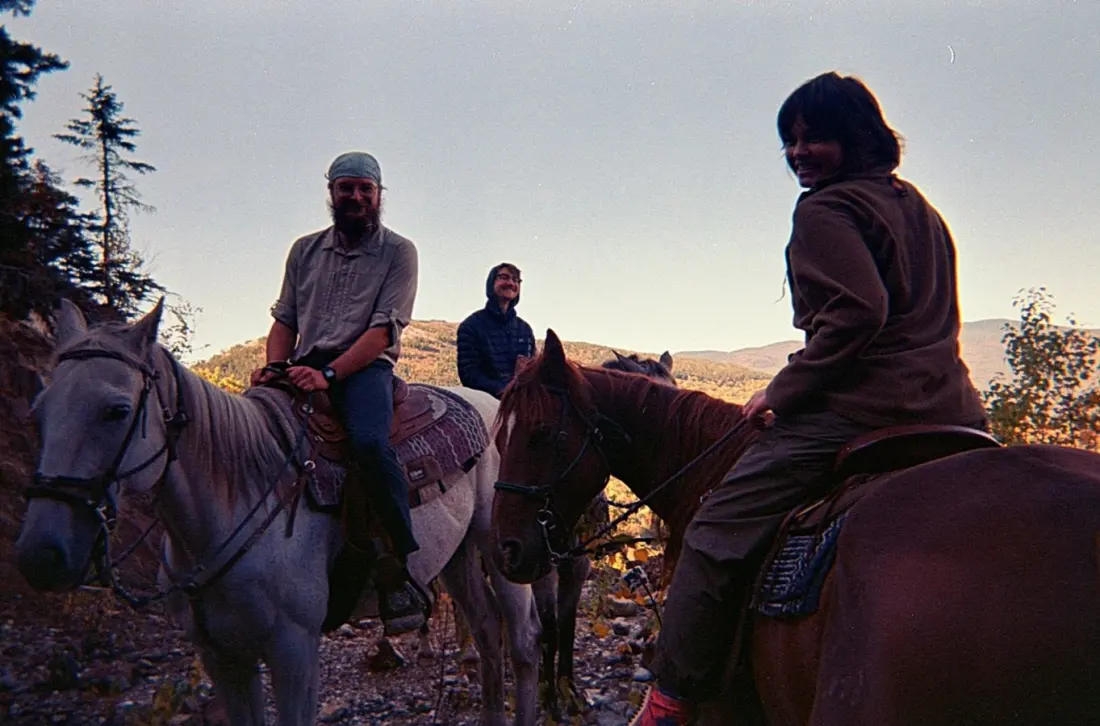
The hiker, travelling with her dad and two companions who go by trail names Small Bites and Dreamcatcher, kicked off the morning with an impromptu horseback ride arranged the day before. Her dad sat this one out and watched from the sidelines, but the rest of the group saddled up and loved it. For her, these detours are the point of the whole endeavour — experiencing life along the way rather than just grinding out mileage toward Maine.
After the ride, she and her dad pushed on with a 10-mile "slackpack" — hiking with a light daypack while someone shuttles the heavy gear — while Small Bites and Dreamcatcher stayed behind at the hostel. The pair were feeling burned out and wanted time for something more reflective and spiritual at a spot they'd found called the Om Dome. It's a good reminder that a five-to-six-month hike isn't only a physical feat; plenty of thru-hikers build in rest days, creative pauses, or a change of pace when the miles start to wear them down.
The hiking itself came as a relief. After rougher terrain in recent days, the trail was finally walkable again, and clear September weather made the steeper sections manageable. Good pace, good views, easy miles — the kind of day that keeps hikers moving north. Still, she notes missing her friends, who hadn't hiked with the group in several days. Trail families form and drift apart constantly on the AT, and that loose, shifting companionship is one of the things long-distance hikers talk about most.
Why should a regular traveller care? Because this is what the Appalachian Trail actually looks like on the ground. The 2,190-mile route from Georgia to Maine isn't a wilderness-only slog — it threads through trail towns with hostels, outfitters, shuttles, and oddball local activities like horseback stables. You don't need to commit to a thru-hike to sample it. Section hikers and holiday-makers can pick a stretch, stay in a hiker hostel, slackpack a day or two, and get a genuine taste of trail culture without the blisters-per-mile ratio of a full hike.
If you're curious about trying a slice of the AT, look at Virginia or the mid-Atlantic states for gentler, well-graded terrain, or the Whites in New Hampshire if you want drama and don't mind climbing. Hostels along the route often rent bunks cheaply, run shuttle services to trailheads, and know the local highlights — including the quirky stuff, like a dome for quiet reflection or a stable that'll take hikers out on horseback. September, as this journal shows, is a sweet spot: cooler air, thinner crowds than summer, and the first hints of autumn colour.
The bigger takeaway from day 156 is simple: the trail rewards people who treat it as a holiday, not a job. Take the detour. Ride the horse.