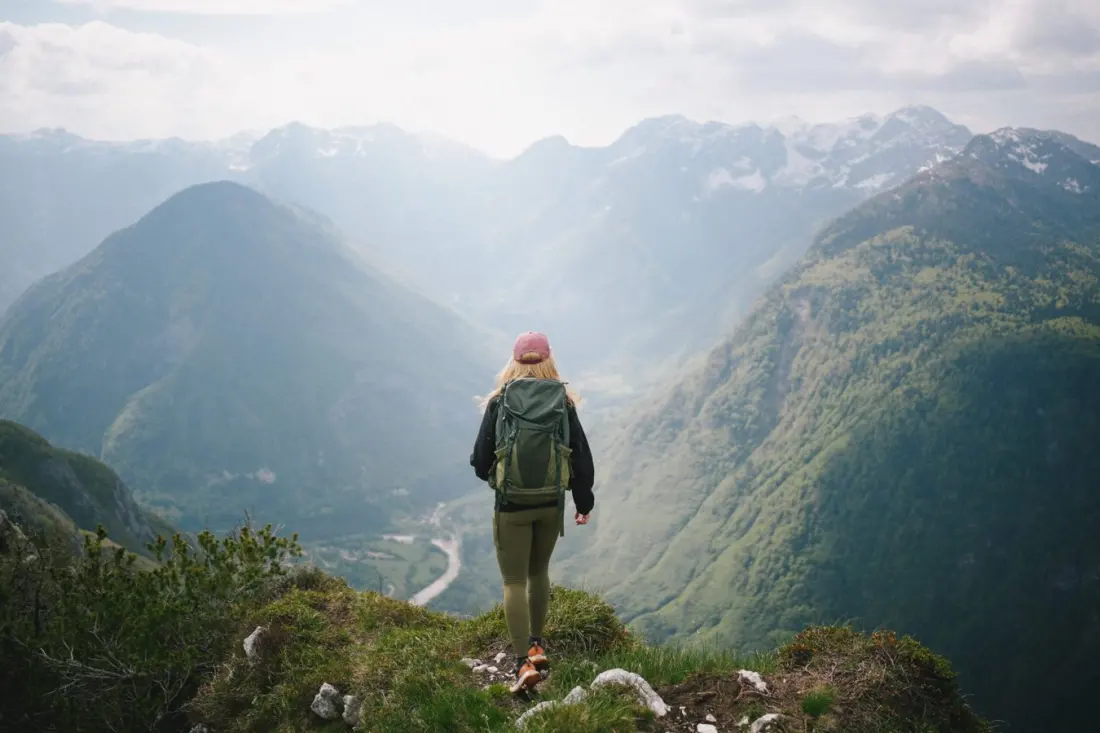
If you needed another excuse to lace up your boots, here it is: a South Korean study had 34 sedentary adults aged 66 to 78 hike in a forest for two hours twice a week over three months. Compared with a control group, the hikers lost body fat, gained muscle, improved aerobic capacity, lowered inflammation markers and raised levels of interleukin-12, a protein that activates natural killer cells — the white blood cells that destroy infected and abnormal cells, including cancer cells.
So what's happening under the hood? Exercise physiologists explain it as a chain reaction. When you exert yourself, your body demands more oxygen. Challenged lungs open up existing capillaries so oxygen has more surface area to cross into the blood, and with regular training your muscles grow entirely new capillaries, shortening the distance oxygen has to travel. Your breathing muscles strengthen too, moving more air with each breath. The result is a higher VO₂ max — the classic measure of aerobic fitness. In one 12-week study of vigorous exercise, VO₂ max rose roughly 20 percent alongside big gains in blood pumped per heartbeat.
The heart remodels as well. Regular aerobic training enlarges its chambers and increases blood volume, so each beat delivers more blood — the healthy, reversible adaptation known as "the athlete's heart," which is quite different from harmful enlargement caused by disease or high blood pressure.
Muscles benefit too, though how much strength you gain depends on where you start. For previously inactive people, hiking alone can hit the overload threshold needed for muscle growth. Fitter hikers can get there by adding weight, incline or elevation. And the upsides aren't purely physical: extra blood flow reaches the brain, and the constant stream of novel stimuli on a trail — a strange bird call, an unfamiliar insect — engages neuroplasticity, strengthening the neural connections that keep you sharp. There's even a chemistry angle: trees release phytoncides, protective chemicals that may reduce inflammation and support immune function when inhaled.
Why does this matter for travellers? Because hiking is one of the cheapest, most accessible ways to turn a holiday into a genuine health intervention. You don't need a gym, a coach or a training plan — just a trail and a couple of hours. The mood and stress benefits stack on top of the physical ones, as physical therapist Milica McDowell points out: get people exercising outdoors and you get the mental health upside bundled in. Better sleep, lower cortisol and reduced inflammation all feed into stronger immune function, too. Whether you're planning a forest ramble in Japan, a coastal path in Portugal or a switchback climb closer to home, the science says even modest, regular walking on trails pays off — and beginners may see the biggest gains of all. As hiking trainer Alicia Filley puts it: if you enjoy it and have access to it, get out and do it.