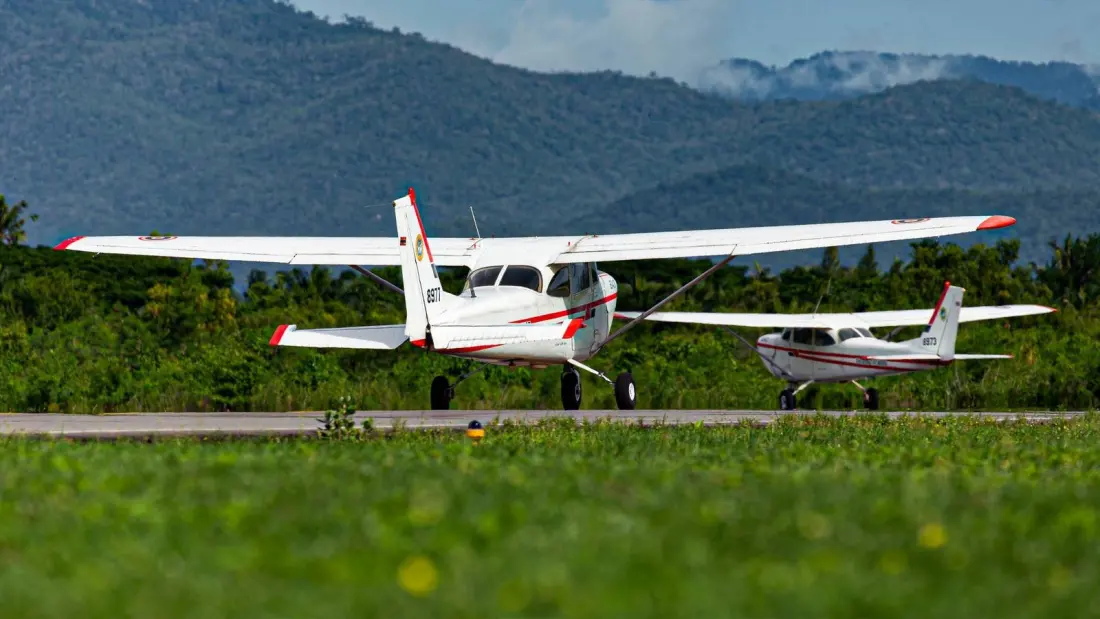
A used Cessna 172 Skyhawk can cost about the same as a well-specced SUV — roughly $90,000 to $140,000 for a flyable 1970s example, climbing to around $180,000 for a newer, cleaner one. But as fresh 2026 cost breakdowns make clear, the sticker price is the small part of the sums. Once you own it, the plane keeps billing you whether it flies or not.
For a 172 flown about 100 hours a year, annual ownership runs roughly $20,000 to $35,000 before any loan payments — about $200 to $350 per flight hour. A sample budget shows where the money goes: hangar rent around $500 a month (anywhere from $300 at a rural strip to over $1,200 near a big city), insurance of $1,500 to $2,500 depending on pilot experience, and an annual inspection that's quoted at $1,500 to $2,200 but often lands at $2,500 to $4,500 with repairs. On a neglected aircraft, that bill can hit $8,000 to $12,000. Add fuel — the 172 burns 8 to 9 gallons an hour, so around $5,200 to $7,700 for 100 hours at 2026 Avgas prices — plus oil, routine maintenance and an engine overhaul reserve, and fixed costs alone account for over $12,000 a year.
The maths is brutal for low-usage owners. At 100 hours a year you might pay about $219 per flight hour; at 50 hours that jumps to roughly $342, while 200 hours brings it down to about $157. The plane doesn't change — only how many hours share the fixed bills. That's why so many pilots give up on ownership: a realistic budget based on 100 hours a year can collapse when work and weather leave you flying half of that.
There are cheaper routes in. Two-seat Cessna 150s and 152s sell for $25,000 to $45,000 and burn only about 6 gallons an hour, while a four-seat Piper PA-28 Cherokee runs roughly $30,000 to $60,000. At the other end, a Cirrus SR22 — new prices near $937,900 — costs about twice as much to operate as a 172 in exchange for speed, modern avionics and a whole-airframe parachute. On a used 172 with old radios and no ADS-B, expect another $8,000 to $25,000 in upgrades if you want to fly IFR cross-countries.
The clearest takeaway from aviation experts: budget for the work that's years away, not just this year's invoices. One AOPA-column pilot tracked nearly $196,000 in spending on his Piper Arrow across two years, purchase and upgrades included. Engine overhauls come due around every 2,000 flying hours, and a used plane may already be deep into that interval.
The honest test before buying: map out how many hours you'll genuinely fly in the next 12 months, get a hangar quote and an insurance premium, and set aside repair reserves. If the answer is under about 50 hours a year, renting or joining a flying club will likely leave more money for actual flying. The purchase price is negotiated once; the cost of ownership is what you live with.