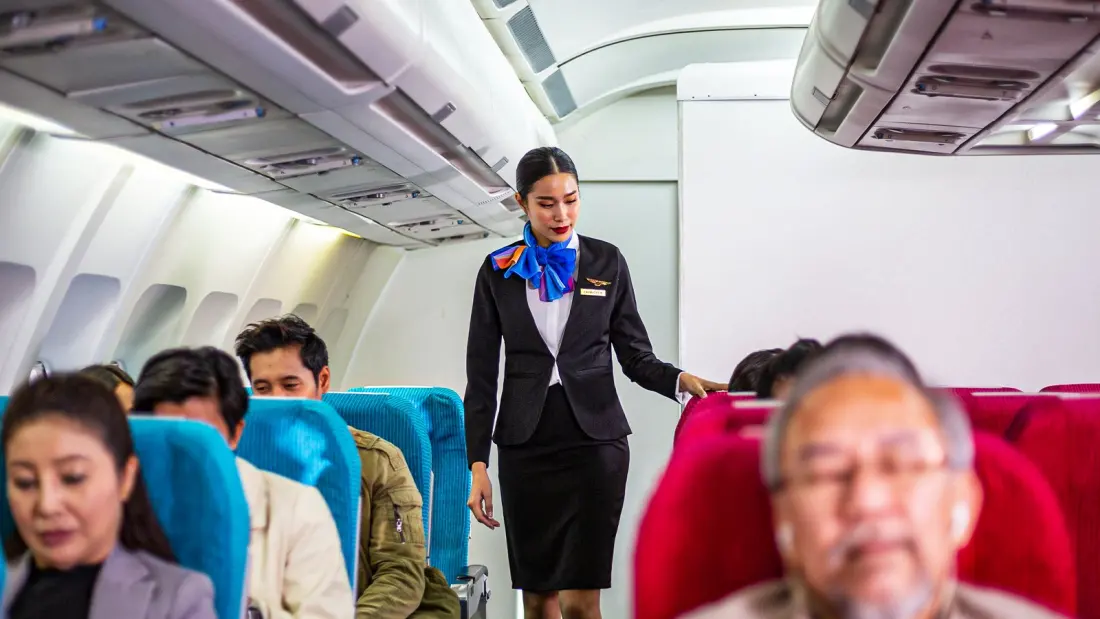
Multiple flight attendants getting sick at the same time is rare, but it has happened often enough in recent months that it's worth understanding — especially if you're the passenger waiting at the gate when it does. The usual culprits are food poisoning, strange odors, or toxic fumes entering the cabin, and these events frequently end in diversions, grounded aircraft and cancelled return legs.
The recent cases tell a consistent story. In October, four American Airlines crew fell ill on a ferry flight from Dallas to Rome after eating leftover passenger meals thought to be more than 24 hours old — the 777-200 was then grounded in Rome for a full day. In September, all seven flight attendants on an Alaska Airlines-operated Airbus A330 from Los Angeles to Honolulu reported nausea and headaches from an unknown odor, meeting medical teams on arrival in Hawaii. Two Delta flights were diverted within a day of each other in September for cabin fumes, one to Raleigh-Durham and another given emergency landing clearance at Chicago O'Hare. An Air Canada flight to Montreal landed safely after a suspected lavatory leak sickened pilots, and four of five flight attendants on a Frontier A321 from Cleveland to Fort Lauderdale declared a medical emergency over fumes — two went to hospital and the aircraft sat grounded for over 36 hours.
So what actually happens when crew start feeling unwell? A single sick flight attendant can be relieved and treated from the onboard first aid kit, but oddly, if several are ill at once they must stay on duty — safety roles still need covering. Pilots can consult MedLink, a ground-based medical service, then decide with the airline's operations team and air traffic control whether to divert to the nearest suitable airport. If most of the crew can't perform their emergency duties, diversion isn't optional.
The bigger issue behind many of these incidents is 'fume events' — when engine oil, hydraulic fluid or other chemicals get vaporised into the cabin air supply, which runs on compressed 'bleed air' from the engines. FAA data suggests these events are increasing, and they often occur during descent. Crew have reported symptoms ranging from headaches and nausea to blurred vision and, in severe cases, neurological injury. Airlines and manufacturers maintain cabin air is safe and most exposures are mild, but flight crews have pushed for better reporting and regulation. Notably, the Airbus A320 family has logged seven times more fume incidents than the Boeing 737, according to reports, and the 2024 FAA Reauthorization Act now mandates a standardised system for crew to log fume and smoke events.
For travellers, the practical takeaway is straightforward: these events almost always end safely, and the captain's priority is getting the aircraft on the ground where medics can assess everyone. The knock-on effects hit your itinerary, though — diversions mean overnight hotels and rebooking, and grounded aircraft often cancel the next flight outright, as Frontier's Cleveland passengers discovered. On international routes, replacement crew may need to be flown in, stretching delays further. Reassuring, at least, is that the system works: maintenance inspections follow every event, and crews are evaluated before the aircraft flies again.
Simple Flying