New York's transit authority has found a way to make its old, grimy infrastructure genuinely desirable. Twice a year, the Metropolitan Transportation Authority opens an open-air market in south Brooklyn where commuters, collectors and the occasional celebrity can buy decommissioned subway signs, seats and MetroCards — real pieces of the city's transit history, straight off the walls and platforms.
The event, now about five years old as a public sale, draws roughly 4,000 people annually. Shoppers queue for hours, and each visitor gets a strict 45-minute window to hunt through the stock before making room for the next person. Prices reflect the demand: a medium-sized station sign runs around US$500, larger ones top US$1,000, and the beloved orange plastic subway seats — only sold since last year and the most popular item — go for about US$900. Retired yellow MetroCards, recently phased out of the system, are the budget option at US$6 each.
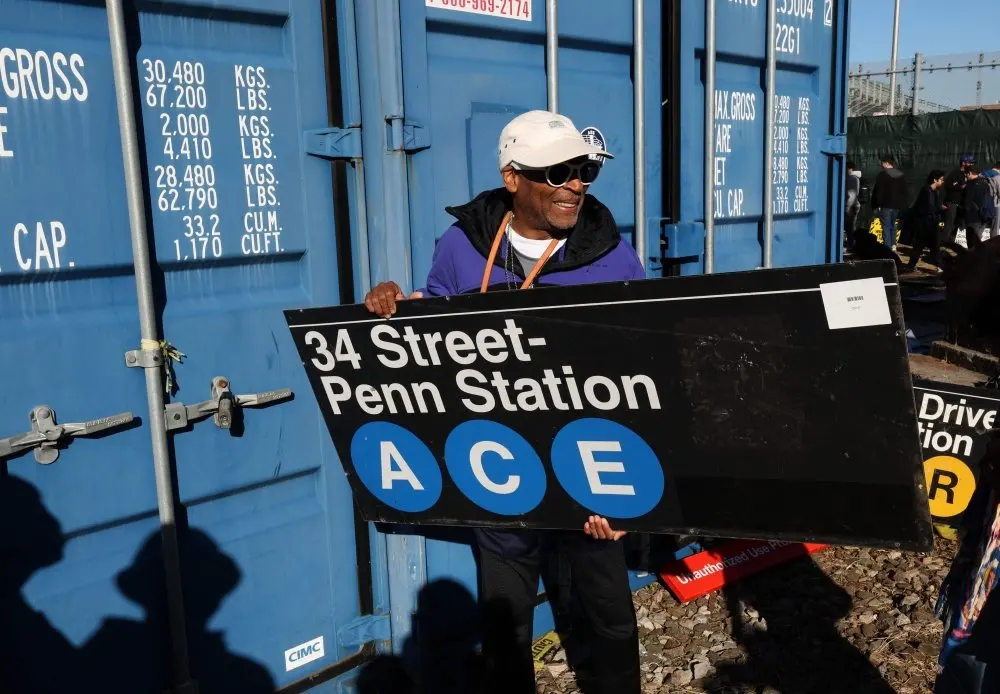
This edition pulled in filmmaker and famous Knicks superfan Spike Lee, who posed for photos with fellow shoppers and walked away with a "Penn Station" sign — the stop that serves Madison Square Garden, where his basketball team plays. He admitted he no longer takes the train to big games but fondly remembered riding the subway as a kid, joking to reporters that he never once jumped a turnstile.
Not every buyer is a celebrity collector. Two twenty-somethings arrived with a US$70 budget looking for apartment decor, explaining they wanted a piece of New York to represent where they live. That's the appeal, really — one shopper, Nori Juba, left with a Grand Central sign bearing the exact line numbers he rides daily, acknowledging the system is creaky and outdated but insisting that's exactly what makes it interesting. His metal prize is dirty and smells like a subway station. He wouldn't have it any other way.
The MTA has always resold signs to collectors, but the grab-and-go format opened the whole thing up to regular New Yorkers and visitors. The authority doesn't reveal how much the two-day sale earns, but popularity keeps climbing.
For travellers, this is a genuinely different souvenir option than any fridge magnet: an authentic artefact of the world's most famous transit system, purchased in person from the agency that ran it into the ground (figuratively). The catch is timing and logistics — it's a periodic event, not a permanent shop, so if you're visiting New York you'd need to plan around it. Sign up for MTA announcements or keep an eye on news around sale dates if a decommissioned subway seat is your idea of a holiday trophy. Otherwise, the city's transit museum in Brooklyn offers a year-round fix of subway nostalgia.