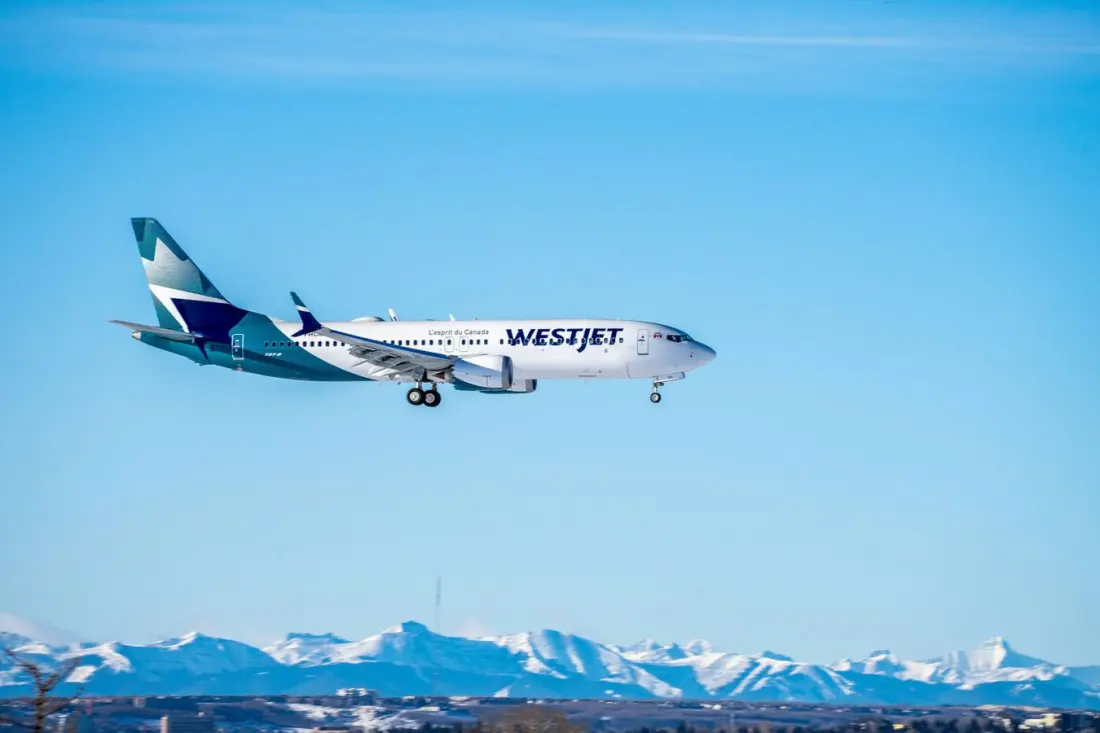
A routine flight from Seattle to Calgary turned into a cautionary tale about airport congestion — and a reminder that pilots quietly plan for more than passengers realise. WestJet flight WS1553, operated by Canada's second-largest airline, was scheduled to leave Seattle-Tacoma International at 10:30 am. It didn't push back until just after 1:00 pm, and then spent more than half an hour crawling across the airfield before finally lifting off at 1:35 pm.
That slow creep to the runway cost real money. The Boeing 737-800 burned roughly 800lbs — about 363kg — of jet fuel while taxiing, which is enough for roughly eight minutes of cruise flight, or around 110km in the air (the distance from Brussels to Lille). The pilot had anticipated the mess and ordered more than the standard fuel load, a known tactic at Seattle-Tacoma where long taxi times have become routine. Without that foresight, the flight would have been legally short of the reserves required for the trip to Calgary and forced to turn back to the gate for refuelling — a further delay for everyone on board.
The root of the problem is construction. One of the airport's three parallel runways, the middle runway designated 16C/34C, is closed for works and won't reopen until 15 November 2026. With only two runways available, aircraft are queuing longer on the ground, and taxi times that were once the exception are now the norm. The pilot reportedly called the situation "pretty classic" for the airport, and Airlive noted the incident flags a growing operational risk for carriers on both sides of the border as they juggle cost and efficiency pressures.
For travellers, the takeaway is straightforward. If you're flying out of Seattle over the next couple of years, build in buffer time. Delays and long taxi waits are likely to be a regular feature, not a fluke. The upside is that crews operating into and out of the airport know about the problem and are planning around it — which should reduce the chance of gate returns and cascading delays. It's also a small window into the invisible decisions that keep flights safe: fuel loads aren't just about distance, they account for the queue to get airborne too.
Who does this matter for most? Anyone connecting onward through Seattle-Tacoma, especially on transborder routes into Canada, should be wary of tight connections and consider earlier flights where the schedule allows. For travellers simply starting a holiday in Seattle or the Pacific Northwest, the practical impact is mostly patience and time management rather than safety. Full credit to Travel Tomorrow for the original report.