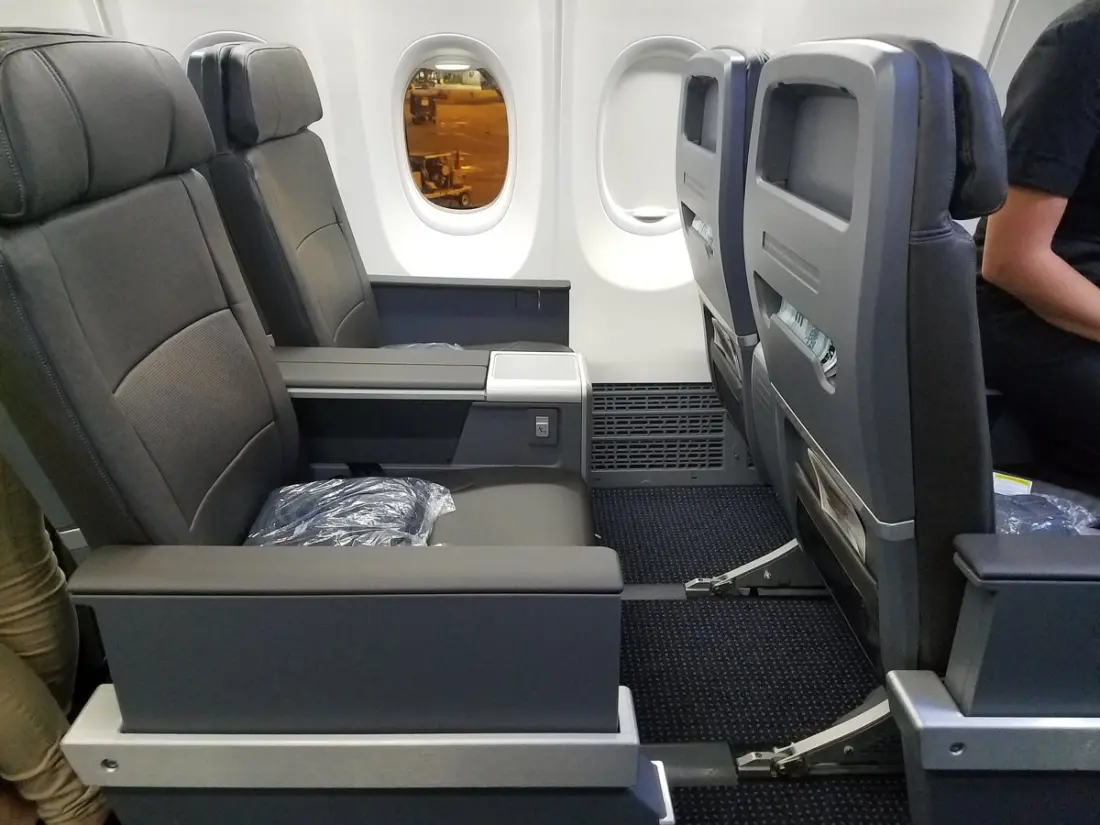
A photo of a uniformed American Airlines pilot seated up front, posted by a frustrated passenger, has blown open a policy most flyers never knew existed: deadheading pilots can jump ahead of elite customers on the first class upgrade list.
American confirmed the arrangement, explaining that pilots negotiated the perk in their 2023 contract. It applies only within 24 hours of departure — before that, upgrades clear through the normal AAdvantage process. But because American rarely processes advance upgrades these days, preferring to sell leftover premium seats for $26 or $40, those last-24-hour seats are often exactly the ones top elites are counting on. The pilot takes them, in uniform, visibly, at the gate.
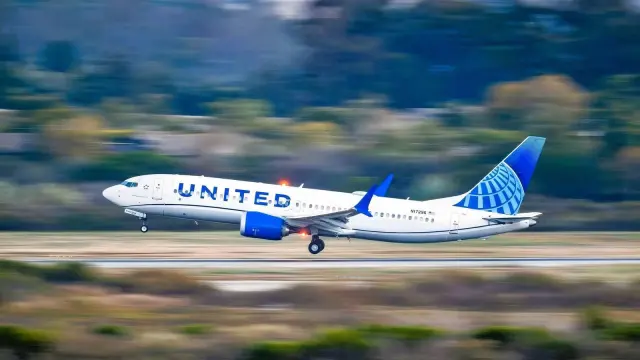
Here's the twist: American's version is actually less generous than its rivals'. United's contract gives pilots first class at booking when available, plus automatic priority when seats open later — and even protects them from being bumped for customers when a downsizing forces downgrades. Delta guarantees the highest cabin at booking for redeyes and long flights preceding an operating duty. So why is American copping the flak? Because its pilots grab the very last seats, where everyone can see it happen.
The loudest defence — that pilots need rest — doesn't really hold up. Federal rules count deadheading as duty, not rest, so those positioning hours already eat into a pilot's allowable duty period. Riding in coach instead of the cockpit isn't a safety problem, and there's no evidence of safety issues under the older policies American and United used to run. The perk is simply a negotiated working condition, won when pilots had serious leverage during the 2023 labour shortage — and after Delta and United pilots already had equivalent deals.
The real gripe, though, is bigger than pilots. Complimentary upgrades have quietly become one of the most illusory benefits in travel. Twenty years ago airlines gave away about 90% of first class seats; today Delta reports only around 12% go to upgrades, with carriers preferring to sell the rest cheaply. Airlines still market status hard — the co-branded credit cards, the loyalty points, the promise that your $30,000-a-year loyalty buys a better experience. Then the payoff fails to materialise, and a pilot sliding into the last first class seat becomes an obvious symbol of what status no longer means.
For travellers, the takeaway is practical: if an upgrade genuinely matters to you — a long-haul, a red-eye, a special trip — don't bank on complimentary clearance anymore. Either buy the premium cabin outright, watch for cheap cash upgrade offers close to departure, or treat status perks as a bonus rather than a plan. And if you're an American elite, know that within 24 hours of a flight, you may not even be at the front of the queue you earned. The airline could at least say so: its upgrade explainer page lists elite tiers and Loyalty Points but omits pilot priority entirely. Transparency would be a start.