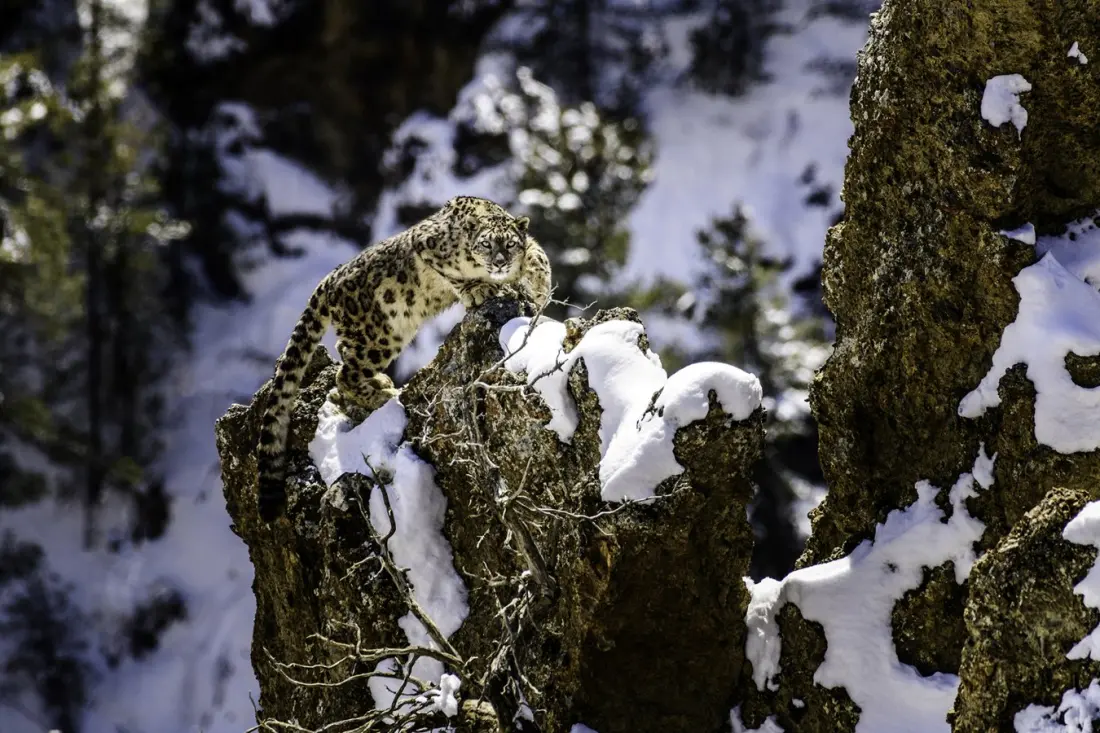
In Nepal's remote Upper Dolpo, snow leopard conservation has taken an unlikely turn: the people leading it include monastery healers who have never needed a conservation manual. WWF Nepal's work in this trans-Himalayan region began in 2018, when herders were losing yaks, sheep and goats to predators. Better corrals and a smoother compensation process cut the losses — but that raised new questions. Fewer kills could mean more livestock, heavier grazing, and pressure on the same rangelands that feed snow leopard prey like blue sheep.
The answer, it turns out, was already in the mountains. Amchi healers such as Sherab Tenzin Lama of the ancient Samling Monastery practise Sowa Rigpa, a traditional system of medicine with built-in sustainability rules. Plants are never uprooted; only a fraction of flowers are picked, and only part of a root is taken so the plant survives. As the Amchi put it, the idea is to leave enough for the generations who come after. Rangelands here support herders, medicinal plant harvesters and trekking income all at once — so managing them well keeps everyone, including the cats, in business.
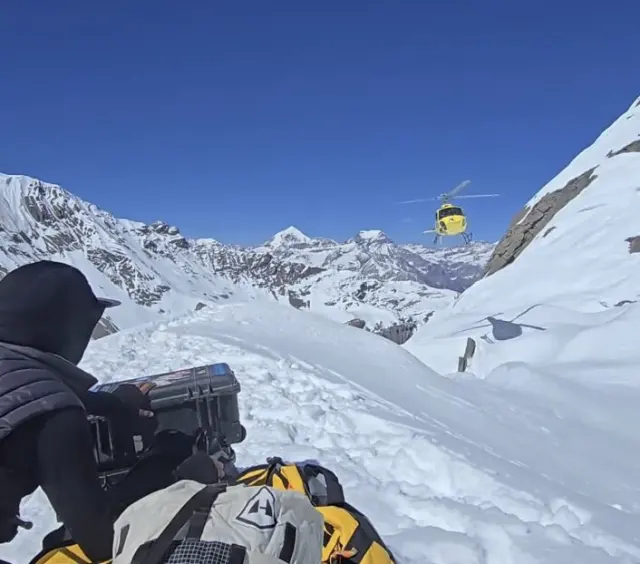
WWF had backed Dolpo's Amchi in conserving medicinal plants since the 2000s, a project pioneered by conservationist Yeshi Choden Lama, who died in the 2006 Ghunsa helicopter crash in Kangchenjunga that killed 24 people. In 2023, Shey Phoksundo National Park, the local rural municipality, faith leaders and community youth agreed on integrated rangeland co-management. In mid-2025 the effort got a boost: a UK government Darwin Initiative grant to revive faith leadership for high mountain rangeland conservation, with partners ANSAB Nepal and the Sowa Rigpa Association Nepal. Community sub-committees of herders, women, youth and faith leaders are now running, and medicinal plant harvesting and trade have begun, with ANSAB working on sustainable harvesting and market links.
It's not all smooth. Coordinating groups across such a remote region is hard, communities' calendars follow the seasons, and climate change is scrambling that timetable. But the stakes reach far beyond Dolpo: High Mountain Asia's 'water tower' supplies rivers that 2 billion people downstream rely on, and snow leopards sit at the top of a food chain that only functions if local livelihoods and grazing stay in balance.
For travellers, this is why a trek in Dolpo feels different from anywhere else. Snow Leopard Day falls on 23 October, and 2026 is the International Year of Rangelands and Pastoralists — a good moment to plan a trip that supports the communities actually protecting the big cat. Trekking permits and groups bring income here, and the same landscapes shelter ancient monasteries, turquoise Phoksundo lake and a living medical tradition. Going with operators who respect grazing land and plant-gathering rules means your trekking fee does genuine conservation work. As WWF's Living Planet Report 2026 argues, pairing generational knowledge with modern tools is one of the few credible hopes for biodiversity — and Dolpo is showing how it looks on the ground.