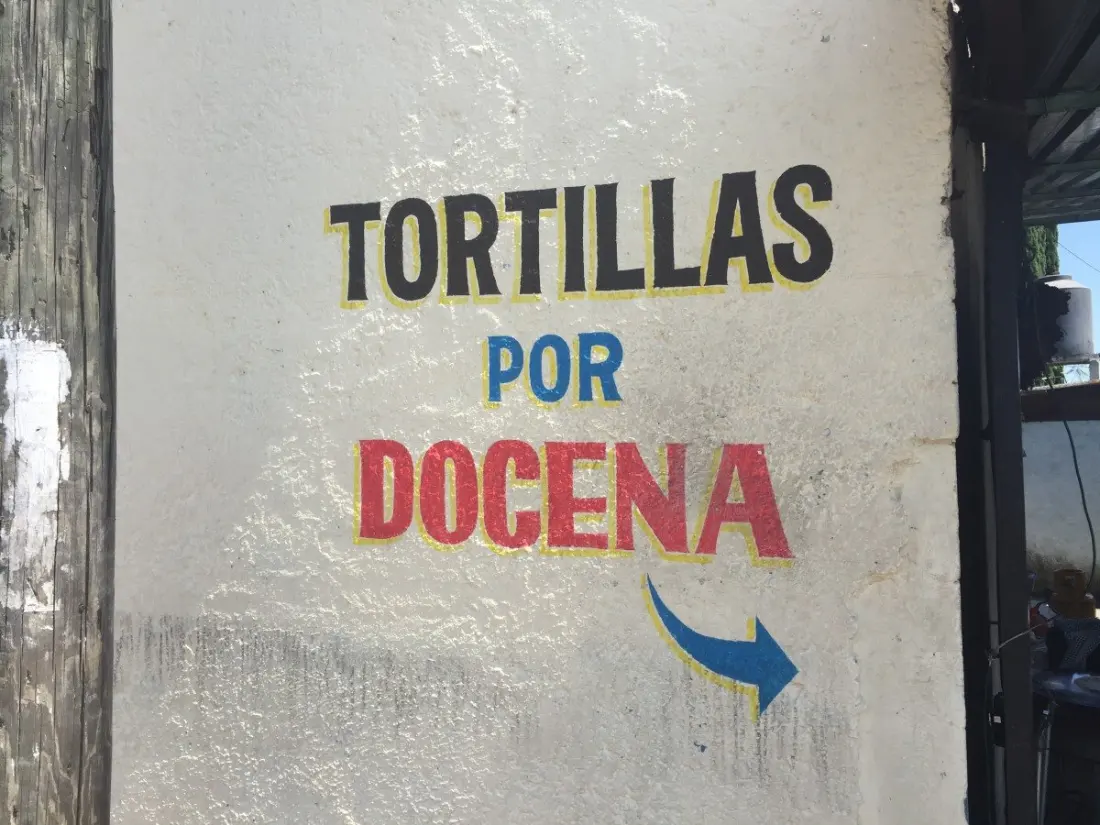
In Mexico, the humble tortilla isn't just a side dish — it's a matter of national importance. The country's staple food sits at the intersection of culture, agriculture and politics, and when tortilla prices spiked in January 2007, the government scrambled to respond with a raft of short- and long-term measures. Corn prices, and therefore tortilla prices, remain a genuine political football.
Most visitors know what a tortilla looks like, but knowing the difference between the two main kinds of white-corn versions will earn you respect at the comal. One type is made from corn flour; the other from nixtamal, a fresh corn dough produced through an ancient process of soaking the grain in an alkaline solution. Traditionalists insist flour-based tortillas can't compete with nixtamal ones — and many travellers who try both tend to agree. Fresh nixtamal tortillas have a depth of flavour and aroma that packaged versions simply don't match.
Corn's role in Mexican cooking goes far beyond the tortilla. The same grain anchors tamales, sopes, tlacoyos, tostadas, quesadillas and countless other dishes, all paired with meats, beans, cheese and dozens of salsas. Mexico is the original home of corn, with thousands of native varieties, and it guards that heritage fiercely. The country has clashed with U.S. corn refiners over high fructose corn syrup, and it opposes genetically modified corn — a stance sharpened when scientists reported GM DNA turning up in wild corn strains.
There's also a colour divide worth knowing about. Many Mexicans turn their noses up at yellow corn for tortillas or for eating corn on the cob (elotes), dismissing it as fit only for animal feed. You'll find canned sweet yellow corn in supermarkets, but don't expect locals to be impressed if you order it.
Perhaps the best travel tip buried in all this: the finest tortillas are usually found outside the capital. Mexico City excels at a lot of things, but chilangos returning from trips into the provinces routinely rave about the tortillas they ate in smaller towns — almost as if the capital's versions don't count. For food-focused travellers, that's a nudge to look beyond the big-city taquerías and seek out village markets, where tortillas are often still pressed by hand and cooked to order minutes before they land on your plate.
Anyone planning a trip to Mexico should treat tortilla hunting as part of the itinerary, not just a side effect of it. Watch for the steam rising off a fresh batch, ask whether a place uses nixtamal, and don't be shy about eating a plain tortilla on its own to taste the corn. It's one of the cheapest, most authentic pleasures the country offers — and a direct link to a food tradition thousands of years old.