Skiing tends to hog the winter headlines in Canada, but the country's coldest months have plenty to offer travellers who never clip into bindings. A recent round-up from Explore Magazine points to a much broader menu of cold-season adventures, and three stand out for anyone planning a trip north.
First, the ice caves. In Ontario, the right combination of deep freeze and wind creates temporary ice caves along the Great Lakes and the Bruce Peninsula that feel like walking into a frozen cathedral — blue light, sculpted walls, total quiet. The catch is that they are strictly seasonal and conditions-dependent. A warm spell or thin ice can close access overnight, so timing a trip around these means watching local conditions and going with guides or on officially recommended routes rather than venturing onto lake ice alone.
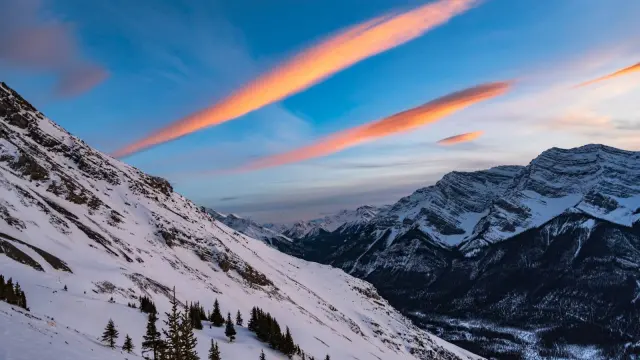
Then there's the aurora. Canada sits under some of the most reliable northern lights territory on the planet, and the magazine's coverage of where and when to see them underlines the basics: head far enough north — Yukon, the Northwest Territories, northern Manitoba and Alberta's big-sky country all deliver — aim for the dark, dry stretch from late autumn through early spring, and give yourself several nights. Displays don't perform on demand, so a five-night stay massively improves your odds over a weekend.
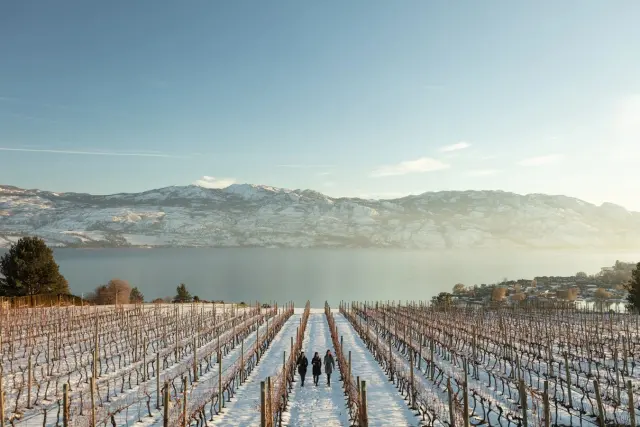
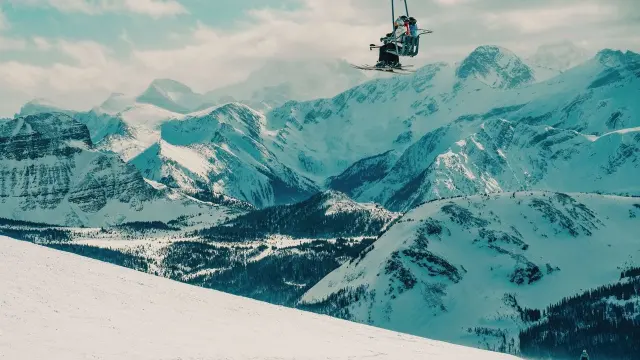
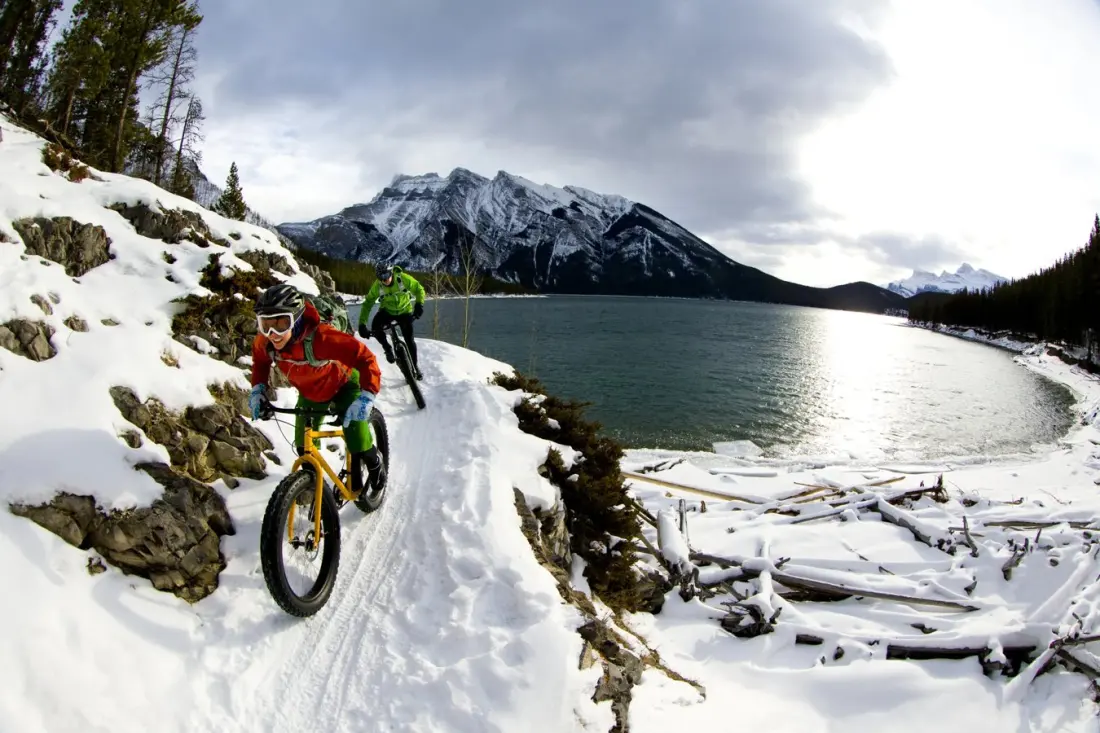
Finally, consider that many of Canada's national and provincial parks arguably improve in winter. Popular summer destinations like Banff, Jasper, Bruce Peninsula and Gros Morne shed their crowds once the snow settles, and winter opens activities the summer visitors never see: snowshoeing on quiet trails, skating on frozen lakes, fat biking, backcountry hut trips and wildlife tracking in fresh snow. Parks Canada maintains winter access and often rents gear on site, so a winter park trip needs little more specialist kit than warm layers.
The practical upside for travellers is real. Winter travel in Canada can be cheaper than the July peak, accommodation in mountain towns and gateway communities drops in price after the holidays, and popular lookouts and trails that require booked summer access are often walk-up easy in February. If your dates are flexible, chasing a specific phenomenon — a vivid aurora forecast or a freshly formed ice cave — turns an ordinary winter break into something memorable.
Who is this for? Photographers, anyone who has always wanted the northern lights but assumed Iceland or Norway was the only option, and travellers who like popular places without the popular-place crowds. It's also a good nudge for Canadian residents: some of the most spectacular winter experiences in the country are a domestic flight — or a long drive — away.
The one rule that applies to all of it: winter in Canada is serious weather. Pack for minus thirty even if the forecast says minus ten, check ice and trail conditions daily, and tell someone where you're going. Do that, and the season stops being something to endure and becomes the reason to book the trip. — Explore Magazine Canada