iSimangaliso Wetland Park on South Africa's east coast has a beach reputation it doesn't entirely deserve — or rather, the beach is only part of the story. Declared South Africa's first UNESCO World Heritage Site in 1999, the park runs along roughly 220km of northern KwaZulu-Natal coastline and packs in three major lake systems, estuaries, wetlands, grasslands, coastal forest and marine habitats. More than 520 bird species have been recorded here, alongside hippos, crocodiles, elephants, rhinos, whales and nesting turtles.
The smart way to see it in a weekend is to base yourself in St Lucia and work outwards.
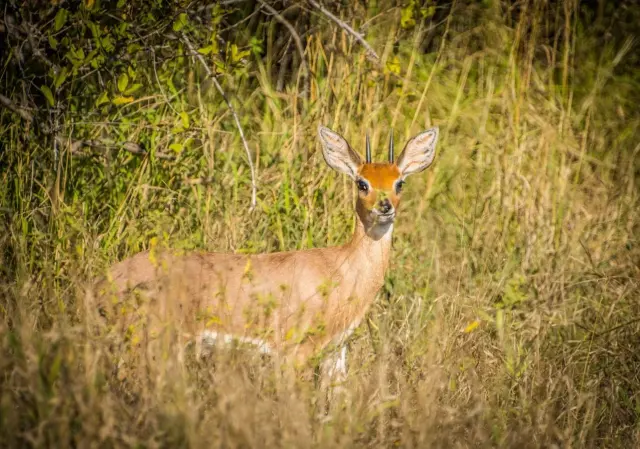
Day one starts on the water. Lake St Lucia is one of South Africa's most important wetland systems — over half of KwaZulu-Natal's waterbirds feed or nest here, and most of the estuary's 155 fish species rely on it as a nursery. A boat cruise is the easiest way in: scan the shoreline for hippos and crocs, keep binoculars ready for raptors and waterbirds, and watch for antelope like waterbuck, nyala, kudu and duiker on the banks. More than 2,180 flowering plant species have been documented around the lake, which gives you a sense of how much this system supports.
In the afternoon, drive to False Bay Park on the lake's western side, where rare sand forest replaces open water. Ancient fossil beds and seashells point to a very different landscape long ago, and three self-guided trails — Mphophomeni, Ingwe and Dukandlovu — wind through forest and woodland down to the shore. One rule applies everywhere near the lake: no swimming. Hippos and crocodiles see to that.
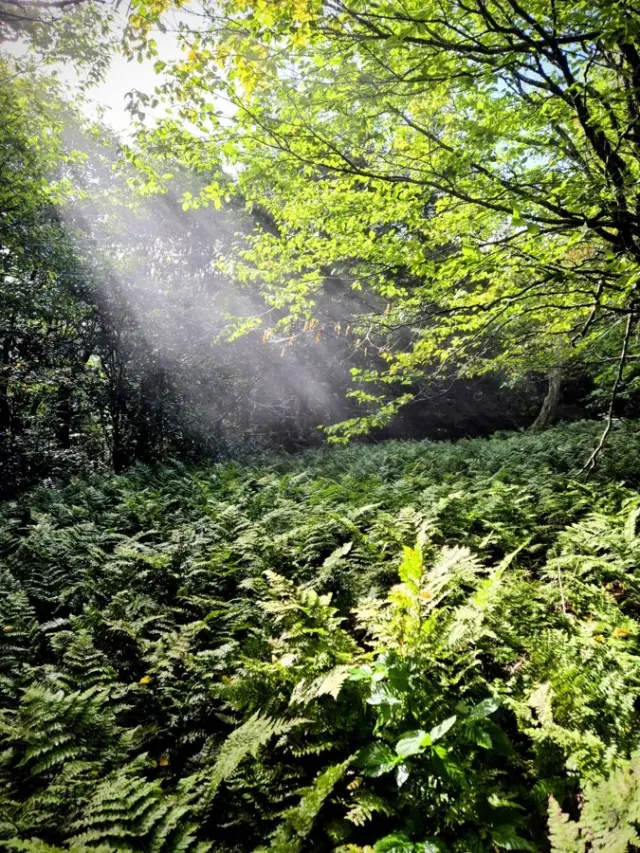
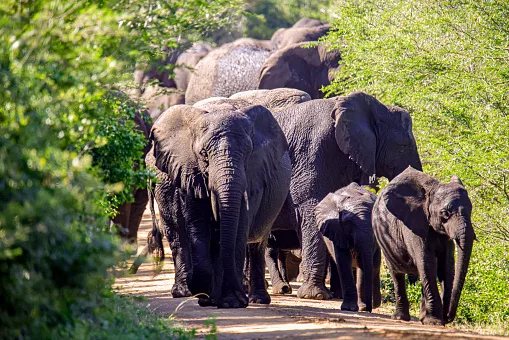
Day two is an early start on the Eastern Shores, the loop roads heading towards Cape Vidal. This is where the park's odd geography shows itself best — the route cuts through coastal forest, grassland and freshwater pans before hitting the Indian Ocean. Elephants, rhinos and buffalo occur here, but the birding is the real draw: Livingstone's turaco, dwarf bittern, rufous-bellied heron and southern banded snake eagle all appear if you slow down and treat the drive as the safari rather than a commute.
Break the trip at Mission Rocks, where tidal pools, fossil beds and a rocky shoreline face rough seas — another no-swim spot, but a good lookout. Between roughly June and November, humpback whales pass offshore on migration.
Cape Vidal ties it all together. Forested dunes back the beach, dolphins and whales work the water offshore, and from November to March loggerhead and leatherback turtles come ashore to nest. It's the clearest example of what UNESCO flagged when it listed the park: not a single scenic highlight, but a functioning mosaic of land and sea ecosystems in one protected area.
If you've written iSimangaliso off as a beach stop, a 48-hour loop like this shows why it rewards a second, slower look — and why birders and safari fans should give it far more time than the sand alone.