Great Smoky Mountains National Park is America's busiest — roughly 11.5 million visitors in 2025, more than double second-place Zion. That popularity shows up in its visitor reviews, where the features people love most are also the ones generating the loudest complaints.
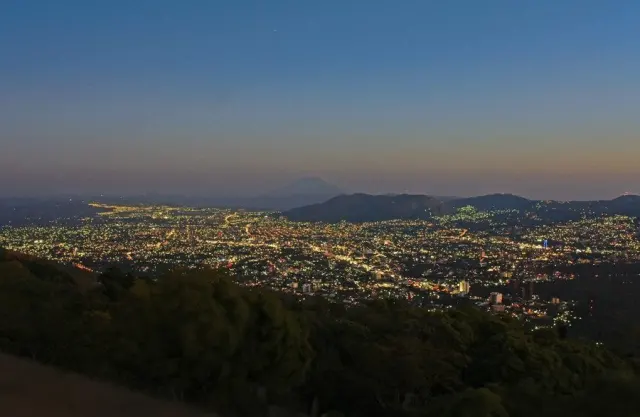
Start with the haze. The blue mist that gives the range its name — the Cherokee called the area Shaconage, "place of the blue smoke" — is produced by volatile organic compounds released by the forest itself. It's atmospheric, but it also blocks views. Kuwohi (formerly Clingmans Dome), the park's highest peak, and Mt. LeConte are both notorious for cloud cover that can leave hikers staring at white nothing. A sunrise hike at Kuwohi improves your odds, and September tends to be the clearest month, with fair skies about 65% of the time.
Then there are the crowds. The 11-mile Cades Cove loop has a 20 mph limit and should take half an hour; one Tripadvisor reviewer reported it taking two hours on a November afternoon. Traffic jams at entrances and packed trails are standard in October and summer. If you want solitude, mid-January through February is far quieter — just check road reports, since snow and ice close routes temporarily. Pisgah National Forest nearby is a good lower-key alternative.
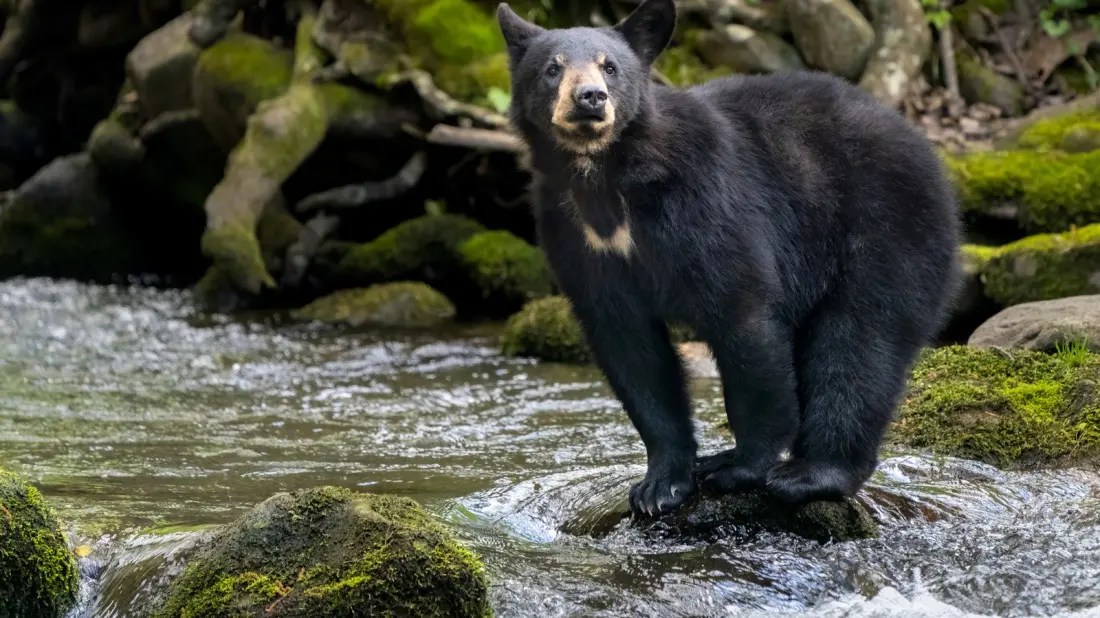
Litter is another sore point, especially along Newfound Gap Road, where visitors report trash at pull-offs and human waste beside trails. Beyond being unpleasant, discarded food draws bears to roadsides, raising the risk of vehicle strikes. Following Leave No Trace basics genuinely matters here.
Some reviewers go further and call the park overrated, arguing the views repeat themselves and don't match the drama of western parks like Yosemite or Rocky Mountain. Fair point if you want towering peaks; less so if you appreciate old, mist-wrapped mountains, waterfalls, and easy access — the park sits within a day's drive of more than half the US population.
Dog owners take note: pets are banned from almost all trails because their scent disturbs wildlife and can provoke bears or coyotes. They're limited to campgrounds, picnic areas (six-foot leash), and just two paths — the Gatlinburg Trail and Oconaluftee River Trail.
Finally, the weather swings hard. Lower elevations can hit 79°F while higher slopes sit below freezing, even in March, and sudden downpours can turn a "moderate" AllTrails route into a miserable slog. Pack layers and a rain jacket no matter the season, and don't count on your phone: cell service drops out across large parts of the park.
None of this means skip the Smokies. It means plan around them — go early, go in September or late winter, know the pet rules, and pack for weather the forecast didn't promise.