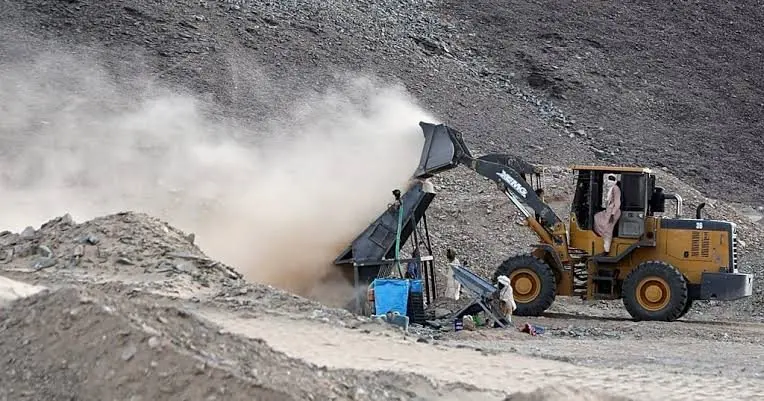
Egypt's military has detained 691 people in a sweeping operation against illegal gold mining in the Eastern Desert — the arid strip of mountains between the Nile and the Red Sea coast. Military spokesperson Colonel Ahmed Othman Ali announced the figures on 5 November, adding that a fourth phase of the campaign would begin on 7 November.
The numbers are striking. Of those arrested, 151 were Egyptian and 540 were foreign nationals. Another 6,614 people chose to surrender before the operations kicked off, apparently heeding advance warnings and meetings the military held with tribal leaders. Troops also seized 34 weapons, over 6,300 rounds of ammunition, 317 vehicles and hundreds of pieces of mining equipment, and dismantled 4,488 tents and makeshift shelters.
The operation wasn't without cost. Two officers — Colonel Ahmed Samir and Lieutenant Colonel Ahmed Gouda — were killed in exchanges of fire. The first phase of the campaign took place near Marsa Alam; the second focused on the Jabal Eiqaat area. Authorities describe the targets as armed criminal groups, some allegedly tied to cross-border weapons trafficking, drug smuggling and illegal migration networks.
Why does this matter to holidaymakers? Marsa Alam is a popular Red Sea base for diving and snorkelling trips, and it sits right at the edge of the affected desert region. The resort strip itself has not been flagged as a danger zone, and the military stressed that all operations stayed within Egyptian territory, coordinated with Sudanese authorities on border security. But travellers planning desert excursions, quad-biking trips or off-road adventures inland from the coast should stick to licensed operators and organised tours rather than improvising routes into remote wadis.
There's also an economic backdrop worth knowing. The Eastern Desert holds significant gold deposits — the Sukari mine near Marsa Alam is one of Egypt's largest — and officials argue that illegal extraction has polluted soil and water, hurt nearby farming and livestock, and deterred legitimate mining investment. Under Egypt's Mineral Resources Law, any gold exploration or extraction requires a licence, so unauthorised mine visits are off the table for visitors too.
For most travellers, the practical takeaway is simple: the Red Sea resorts continue to operate normally, and the crackdown is aimed at making the hinterland safer, not less accessible. Keep an eye on local advisories if you've booked any desert-based excursions, and expect a visible security presence on roads running inland from the coast through November.