A family hike in Rocky Mountain National Park usually ends the same way for many families with a wheelchair user: at the first set of steps. One mother's recent trip went differently, thanks to a free all-terrain hiking cart borrowed from a shop near the park entrance — and she's part of a much bigger shift happening across the US park system.
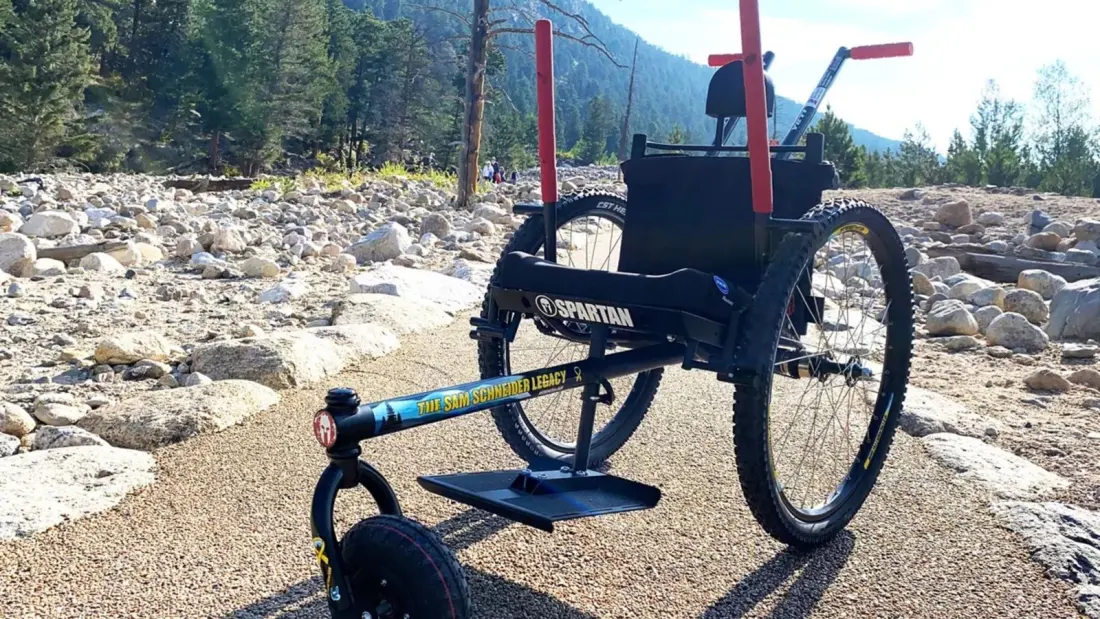
The writer's middle son uses a wheelchair, and rugged trails normally mean turning back. Before their Colorado trip, the family learned that Estes Park Mountain Shop, about ten minutes from the park, had two Cascade Tandem Hiking Carts donated by a local charity called Avery's Light. They borrowed one at no cost. A shop employee spent nearly an hour teaching them to assemble and use it, then recommended trails — including the popular Bear Lake Trail — where it worked well. On the trail, the cart handled steps and rougher ground, letting the whole family reach a mountain brook and viewpoints they'd normally have missed.
This is no one-off. As of this autumn, all five of Utah's national parks provide all-terrain wheelchairs, and close to 30 National Park Service sites now lend mobility devices through park programmes or partnerships with local organisations. A few standouts: Indiana Dunes National Park runs an adaptive programme with free equipment including Freedom Trax motorised attachments and a Hippocampe off-road wheelchair. Great Smoky Mountains National Park in Tennessee launched its first adaptive programme in 2023 — adaptive hikes, an adaptive bike programme, and a GRIT chair — and now works with Catalyst Sports and Friends of the Smokies to offer a Cascade Tandem Hiking Cart, a Rough Rider Aurora and a Black Diamond TrailRider usable on roughly 14 miles of trails. Bryce Canyon has two Extreme Motus Off-Road Wheelchairs at its visitor centre on a first-come, first-served basis, and Zion started a similar all-terrain wheelchair loan in 2026, funded by its philanthropic partner, the Zion Forever Project.
There's policy muscle behind it too. The EXPLORE Act, signed into law in 2025, pushes public lands to expand access for people with disabilities — including clearer trail condition information online so visitors with mobility devices can judge accessibility before they set out.
Why it matters: if you travel with someone who uses a wheelchair, the old assumption that national parks are off-limits is rapidly outdated. The practical route is usually the same as this family's — call ahead to the visitor centre or a local outfitter near the park, check what's available, and reserve your park entry time on Recreation.gov. Equipment is often free or low-cost, but first-come, first-served means planning ahead matters. Expect this list of parks to keep growing.