Airbnb has rolled out a batch of consumer-facing AI features in the United States, the clearest sign yet that the home-sharing giant is playing catch-up in a race its rivals have been running for a while.
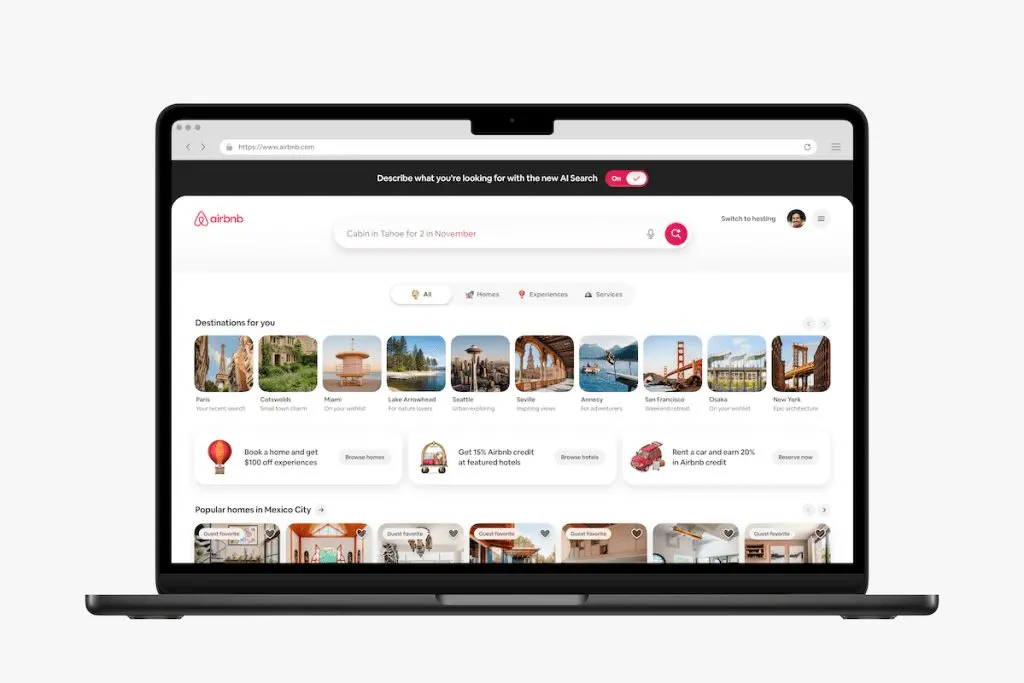
The headline change is natural language search. Users in the US can now type or speak plain requests into a new search box on the Airbnb homepage and in its app — no fiddling with drop-down menus or guess-the-keyword. The tool covers homes, experiences and services, though notably not hotels, which have yet to be folded in.
Alongside that, Airbnb has added AI-assisted filters that try to anticipate what a traveller actually needs. Enter the word "baby" and the system will surface related filters like cribs, playgrounds and toys without you having to think of each one. It's a small touch, but the kind that can shave real time off planning a family trip.
The third piece is AI-generated property comparisons. Search results will now automatically produce side-by-side displays of listings, plus AI-written listing descriptions, making it easier to weigh options at a glance rather than clicking through each property individually.
What makes this launch interesting is the timing. Online travel agencies such as Booking.com and Expedia have been shipping similar AI tools for an extended period, so Airbnb's move is less a leap forward and more a settling of accounts. For travellers, though, the origin story matters less than the result: planning an Airbnb stay should now feel closer to a conversation than a form-filling exercise.
The US-only rollout is the main caveat for now. Travellers elsewhere will have to wait to see how quickly Airbnb extends these features internationally. And with hotels excluded from the new search, anyone mixing accommodation types will still be toggling between platforms for the moment.
For regular Airbnb users, the practical upshot is simple: if you're booking a US trip, it's worth trying a conversational search rather than the usual keyword approach, especially for trips with specific needs — accessibility requirements, travelling with toddlers, or wanting particular experiences bundled in. The comparison displays should also make it easier to spot when a slightly pricier listing is genuinely better value. It's a reminder that the AI features travel companies keep announcing are starting to show up in the apps we actually use to book holidays.