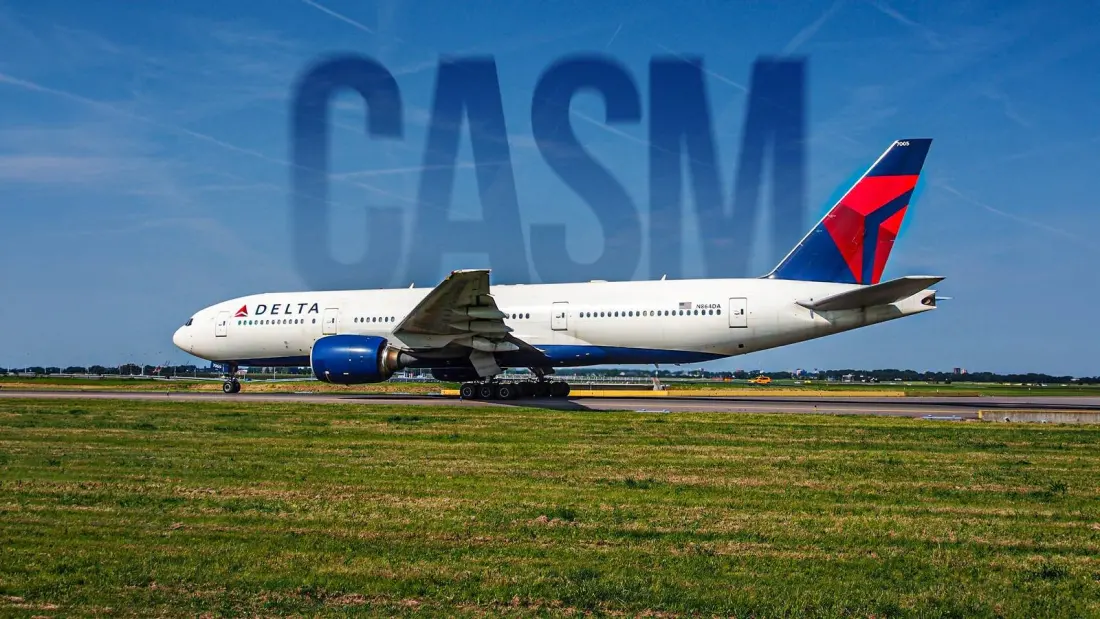
Delta's Boeing 777s spent two decades as the airline's long-haul flagship, connecting Atlanta to Johannesburg and Los Angeles to Sydney nonstop. By the end of 2020, all 18 of them — including ten ultra-long-range 777-200LRs capable of flying 8,555 nautical miles — were gone. The switch says a lot about how modern airlines make fleet decisions, and it matters for anyone flying Delta's international routes today.
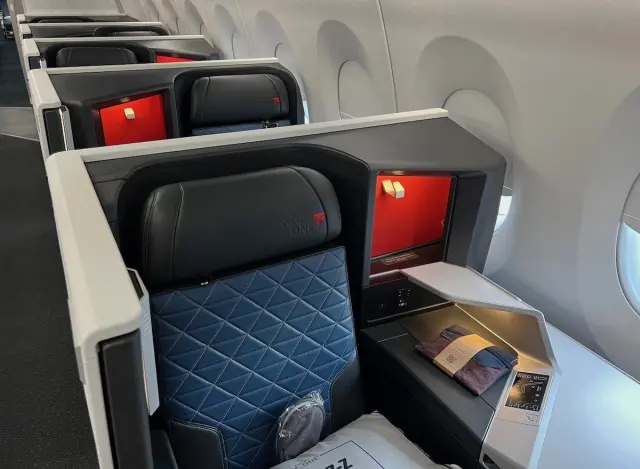
The timing was brutal. When the pandemic gutted international demand in 2020, Delta was burning roughly $50 million a day. In May 2020 the airline announced it would accelerate the retirement of the whole 777 fleet to year-end, accepting write-down charges estimated at $1.4 to $1.7 billion. The sting was sharper because the jets weren't old — they averaged around 11 years — and had just received a multi-million-dollar cabin refresh in January 2019, complete with new Delta One suites and Premium Select seating.
But the deeper reason was economics, not just crisis management. The 777 subfleet was tiny by Delta standards, which meant dedicated pilot bases, bespoke spare-parts inventories and separate maintenance programmes. Worse, the aircraft's cost per available seat mile (CASM) no longer stacked up: Delta's figures showed the incoming Airbus A350-900 burns 21% less fuel per seat, thanks to Rolls-Royce Trent XWB engines and composite wings. With fewer passengers flying, that gap became impossible to justify.
Standardising on Airbus widebodies — the A330 family and the A350-900 — simplified pilot training, maintenance contracts and logistics across the network. CEO Ed Bastian's modernisation push turned an emergency liquidity move into a lasting strategy, with lower emissions per seat and a leaner cost base. The A350-900 slid straight into the 777's toughest missions, including the Atlanta–Johannesburg ultra-long-haul run.
For travellers, the swap is largely good news. The A350 offers a quieter cabin, higher humidity and lower pressurisation altitude, which genuinely helps on 15-hour-plus sectors. Delta has also ordered the larger A350-1000, due to join from early 2027 with more premium seating and cargo capacity.
The farewell itself was emotional: the final commercial 777 flight, Delta 677, flew from New York to Los Angeles on October 31, 2020, drawing crews, frequent flyers and aviation fans to see the type off after 21 years of service. Sentiment, though, lost to spreadsheet logic — and Delta's long-haul network is now one of the most streamlined among legacy carriers.
If you're booking Delta's longest routes — Sydney, Johannesburg, Tokyo — you'll almost certainly be on an A350 or A330. Both are solid aircraft; the A350 in particular is one of the most comfortable cabins flying today, so it's worth checking the equipment on your route when choosing seats or cabins.