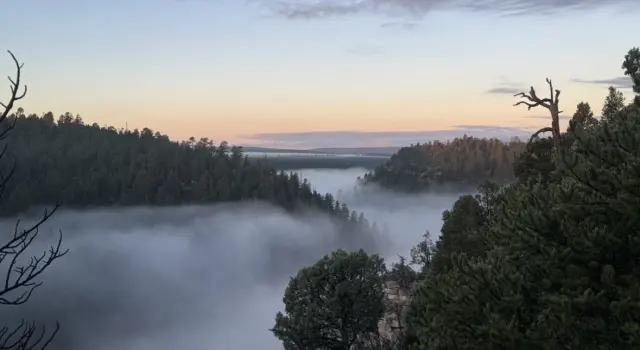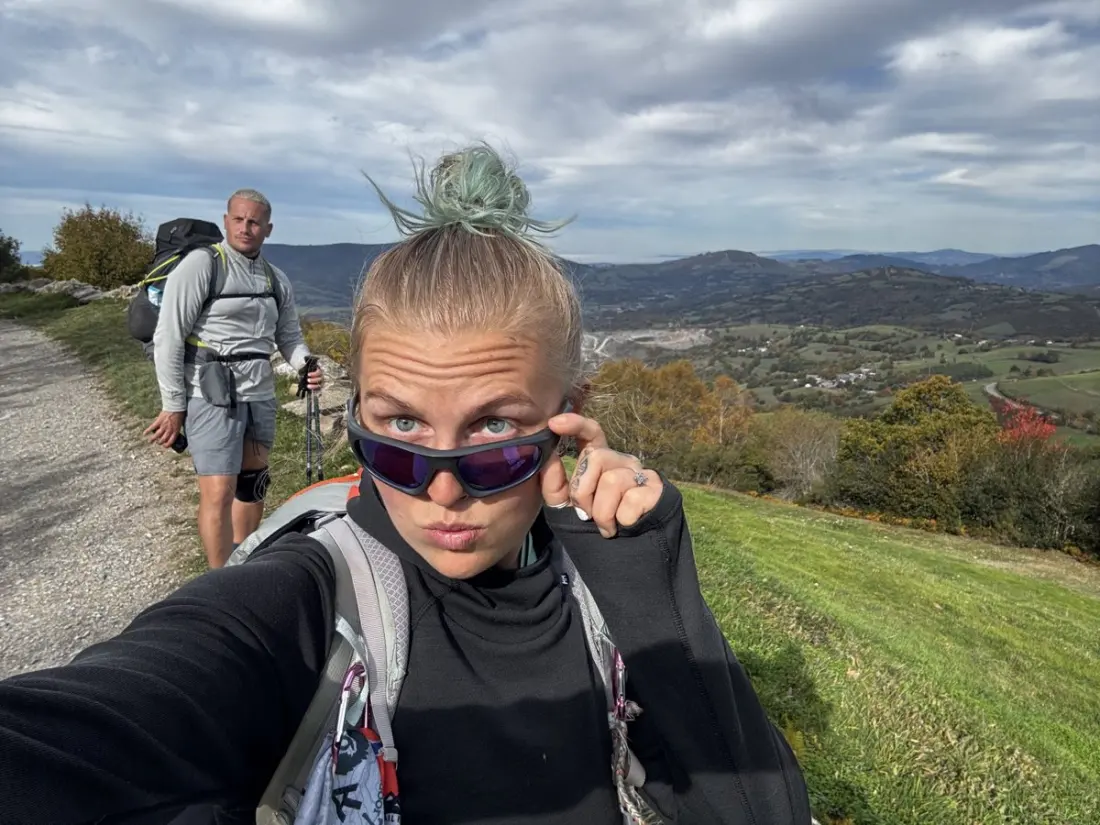
Day 34 of a Camino Frances pilgrimage turned out to be less about kilometres and more about what a long walk does to people. The writer, trekking under the trail name 'Chill Out', woke before dawn near Triacastela in Galicia, overwhelmed by the strange grief pilgrims often feel as Santiago approaches — the end of the routine, the friendships, the whole rhythm of walking. So they started hiking in the dark and let the emotions come.
The morning delivered a small, very Camino-style drama. A fellow pilgrim reported a wallet stolen from his albergue overnight, prompting a panicked check among the group. One brother had indeed left his wallet behind — at a restaurant eight kilometres back. A taxi, some frantic phone calls and fifteen minutes later, a photo arrived: wallet recovered, intact. The walkers' motto held up: the Camino provides.
Over breakfast tortillas and cafe con leche — lured in, fittingly, by a giant dog outside a bar — the writer raised something bigger. They wanted the three friends, who had met individually on the trail and bonded into an adoptive family of American, Italian and Argentinian walkers, to reach Santiago together on the writer's birthday. It would mean pushing extra kilometres daily. Both brothers agreed without hesitation. That night at Pensión García in Triacastela — chosen for just €2 more than the packed municipal albergue, a bargain they called well worth it — the trio planned the final push: extra food, route discussions, early alarms.
The day also carried some of the trail's quieter magic. A local in high-vis work gear dropped warm roasted chestnuts, gathered from the nearby forest, onto their lunch table without a word. A passer-by revealed that Paulo Coelho began writing The Pilgrimage — the very book that inspired this pilgrimage — in the building where the writer had slept in Villafranca del Bierzo. And a Brazilian pilgrim's encouragement validated weeks of stubborn Spanish practice, in a region where Galician sits alongside Spanish on every sign.
Why does this matter to travellers? Because it captures what draws hundreds of thousands to the Camino each year: strangers becoming family, small kindnesses, and the odd blend of exhaustion and joy that no itinerary can plan. The final stage from Triacastela to Santiago is roughly 120-130 km through green Galician hills, typically four to six walking days — demanding enough to feel earned, social enough to never feel lonely. Whether you walk it for spirituality, fitness or the chestnuts, the lesson from day 34 is the same: say the thing you want out loud. On the Camino, chances are someone will say yes.