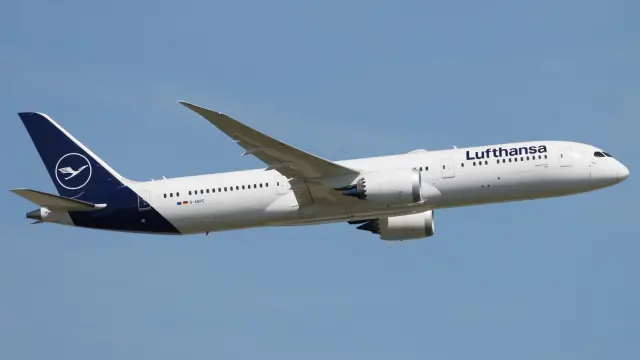
Alaska Airlines is launching a route nobody has flown since 1999: nonstop service between Anchorage and Tokyo Narita, operated not by a widebody jet but by a Boeing 737 MAX 8 with 161 seats. Flights begin May 13, 2027, with an introductory coach fare of $999 roundtrip if you buy by October 31 and travel between May 13 and June 7.
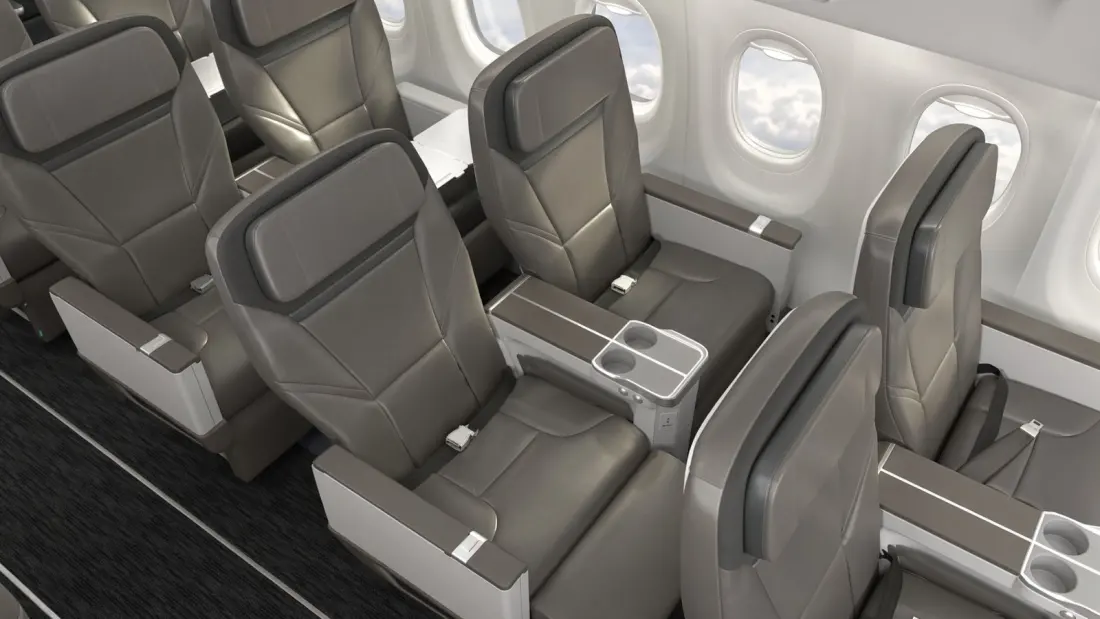
The schedule runs daily through the summer, until September 7, 2027, with the westbound leg timed at 8 hours 15 minutes - a long stretch in a domestic-style seat. In winter, the route drops to three flights per week starting January 2028 after a fall pause. Alaska's refreshed MAX 8 has 16 first class recliners (no lie-flat beds here), no seatback entertainment screens, and complimentary hot meals in coach. First class gets upgraded dining plus Filson bedding and amenity kits. Fine, but it's still an eight-hour flight in a recliner.
Why fly it at all? For Alaska residents and Japanese visitors - especially cruise passengers - the nonstop is genuinely useful, sparing them connections. The route also plugs into Japan Airlines' network at Narita: Alaska plans to join American's partnership with JAL, opening up connections across Asia. And Anchorage sits conveniently along the great-circle path, so the flight makes geographic sense even if the aircraft is small.
There's history here. Northwest Airlines last flew the route in 1999, and China Airlines served Taipei from Anchorage until 2011. A startup called Northern Pacific (later New Pacific) tried to turn Anchorage into an Icelandair-of-the-Pacific hub for US-Asia traffic but never got off the ground, undone by Russian airspace restrictions and cities that already had nonstops. Alaska's pitch is different: it already has an Anchorage hub, a loyalty base and customers to feed the flight. The state is also sweetening the deal - airport fee abatements estimated around $500,000 work out to roughly $13 per offered seat.
The Russian airspace question, raised after the 2022 closures, matters less here than you'd think. A routing along the Aleutians and over the Pacific stays clear of Russian territory at a cost of only about 1% extra distance. The 737 MAX's 180-minute ETOPS approval covers the diversion airports (Adak, Shemya, Cold Bay, plus Japanese options) with a worst-case diversion of about 108 minutes.
If eight hours on a 737 sounds extreme, note that it's not even the longest narrowbody flight out there: GOL's Orlando-Brasília service and Arajet's Santo Domingo-Buenos Aires route both top 3,700 miles, and Alaska's own Seattle-Keflavik flight is longer than Anchorage-Tokyo. SAS once ran an all-business 737 from Stavanger to Houston on a similar range.
For travellers, the takeaway is simple: a $999 introductory fare to Tokyo from Anchorage is a solid deal if you can tolerate the seat, and it's a genuine time-saver for anyone already in Alaska heading to Japan - or for Japanese tourists bound for an Alaska cruise next summer.