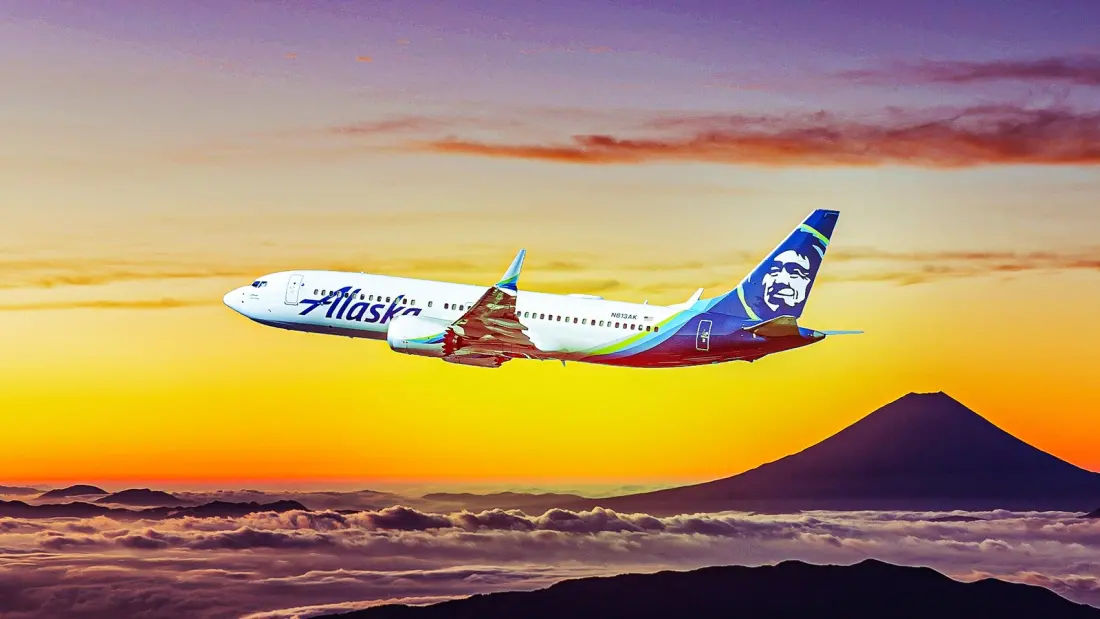
Alaska Airlines has announced its first-ever nonstop service between Anchorage and Tokyo, and the aircraft choice is raising eyebrows: a single-aisle Boeing 737 MAX 8 crossing the North Pacific. Flights start May 13, 2027, running daily between Ted Stevens Anchorage International and Tokyo Narita until September 7, then returning in January 2028 at three flights a week for the winter.
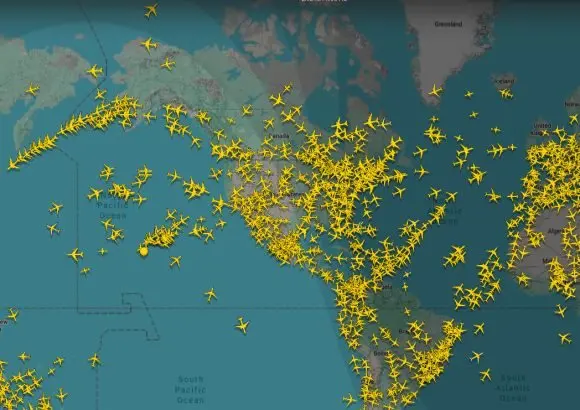
The geography works in the route's favour. Because both cities sit far north, the distance is only around 2,980 nautical miles (5,519 km) — the westbound leg takes up to eight hours 15 minutes, barely longer than Anchorage to New York. Clocks shift oddly too: AS21 leaves Anchorage at 2:10 PM and lands at Narita at 3:25 PM the next day, while the return departs Narita at 9:45 PM and arrives in Anchorage at noon the same calendar day, thanks to the Date Line.
Why the MAX 8 and not a bigger 737? Range. Alaska's MAX 8 is rated at roughly 3,500 nautical miles, more than the MAX 9 or the newly certified MAX 10, which arrives from Q2 2027. The route sits close to that ceiling, so payload, reserves and diversion planning all need careful margin — the flight must also meet ETOPS rules for twin-engine aircraft, and there are far fewer diversion airports across the North Pacific than over the Atlantic.
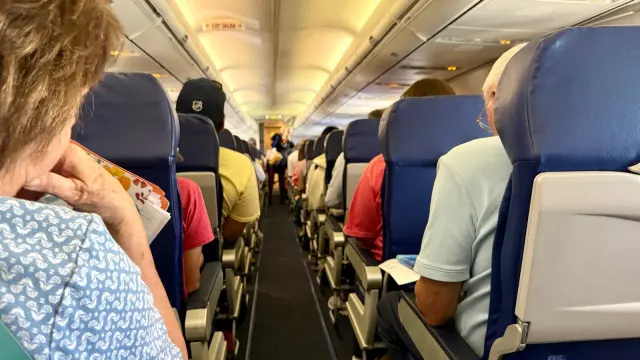
The cabin is standard domestic config: 161 seats, 16 of them First Class recliners (no lie-flat beds, no seatback screens). To soften the eight hours, Alaska is promising multi-course dining up front, free meals in Main Cabin and Premium Class, Filson-branded amenity kits, and free Starlink Wi-Fi on aircraft where the rollout has landed. Launch round-trip fares were announced from $999 for travel between May 13 and June 7, 2027.
The Tokyo link is one of four new Anchorage routes for 2027, alongside seasonal weekly service to Austin, Dallas-Fort Worth and Nashville. It also signals Alaska's growing international ambitions beyond its Seattle hub, which already flies 787s to London, Rome and Reykjavík.
For travellers, this is a genuinely useful new option in both directions. Japanese visitors get a direct gateway to Alaska's national parks, wildlife and cruise ports; Alaskans get straight access to Tokyo and Narita's onward connections across Asia. The seasonal pattern — daily summer service, thin winter flying — suggests booking summer early and watching fares in the quieter months. If you're eyeing it, note the trade-offs of a narrowbody on a long haul: comfortable recliners rather than flat beds, and Wi-Fi availability depends on which airframe you draw. Still, at an introductory $999 round trip, it undercuts most trans-Pacific fares considerably. If the first season performs, Anchorage could become a springboard for more long-haul narrowbody routes, so this summer 2027 window is the one to watch.
Story first reported by Simple Flying.