Croatia's remote island group has passed its first big test. On 4 November 2026, at the 11th session of the UNESCO Global Geoparks Council in Paris, the Vis archipelago was officially re-validated as a UNESCO Global Geopark — a designation it has held since 2019. The decision came after all 10 recommendations from the previous evaluation were fulfilled.
Re-validation happens every four years, and this one involved both paperwork and boots on the ground. International evaluators reviewed the geopark's documentation, then spent late June 2026 — from the 22nd to the 27th — exploring the islands in person. Their itinerary included geological sites, geotrails and visitor centres, alongside meetings with locals, institutions, scientific bodies and partner organisations.
The verdict was positive on several fronts. Evaluators singled out how well the geological sites are presented to visitors, the geopark's work with schools and researchers, and its support for local producers. They also noted that the programme has brought Vis town and Komiža together in looking after the heritage of the whole archipelago — no small feat for two island communities with a long, friendly rivalry.
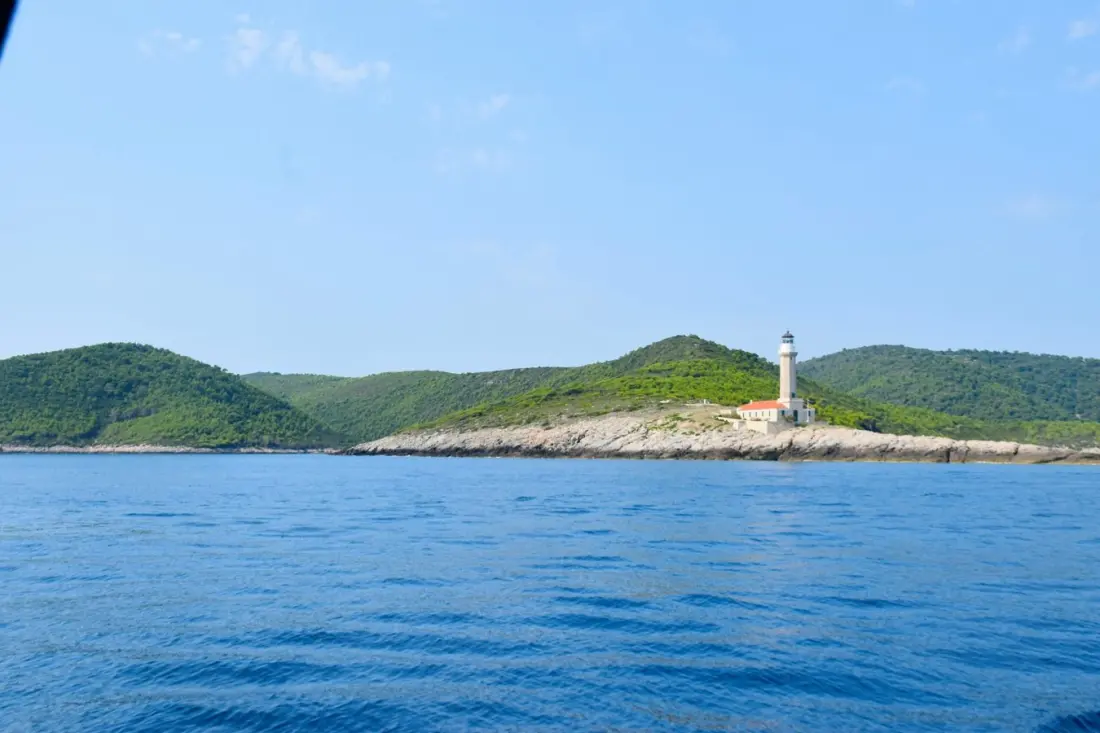
For travellers, this is quiet but welcome news. The Vis archipelago is one of the Adriatic's least developed island clusters, largely because it stayed closed to foreign visitors until the late 1980s. The geopark status recognises its remarkable geology — volcanic rock formations, sea caves and an underwater landscape that includes the famous Blue Cave on Biševo — and the renewed badge means the walking trails, interpretive centres and local guiding infrastructure are being maintained to an international standard.
Practically, the endorsement points visitors toward the geotrails and visitor centres the evaluators praised, and toward the small local producers whose work is part of the geopark's remit: think Vis olive oil, Komiža's fishing traditions and island wines. If you like your holidays with a layer of science and story, the archipelago now has formal proof that its natural heritage is well looked after — and will face its next review in 2030.