Remembrance Day in Alberta usually means scraping frost off the windshield. This year, parts of the province felt closer to a mild spring afternoon. Environment and Climate Change Canada confirmed that a warm upper ridge pushed temperatures well above normal on November 11, breaking daily heat records in six areas — some of which had stood for generations.
The standout was Onefour, in the province's deep southeast, which reached 19.6°C. That topped the previous November 11 record of 18.9°C, which had been in place since 1941. Further northwest, the Beaverlodge area hit 16.5°C, comfortably beating a mark set back in 1923 — records there go back to 1913.
Grande Prairie also joined the party at 15.7°C, edging past its 1977 record of 11.6°C. In the mountains, the Jasper area reached 16.7°C, topping a 2016 record, while Sundre hit 18.1°C and Hendrickson Creek logged 14.6°C. In total, six communities or stations set new daily maximums on the same day, with several of the old records dating back decades.
ECCC noted the figures are preliminary and unofficial, so minor adjustments are possible — but the broad picture is clear: an unusually warm air mass settled over Alberta in mid-November and rewrote the record books.
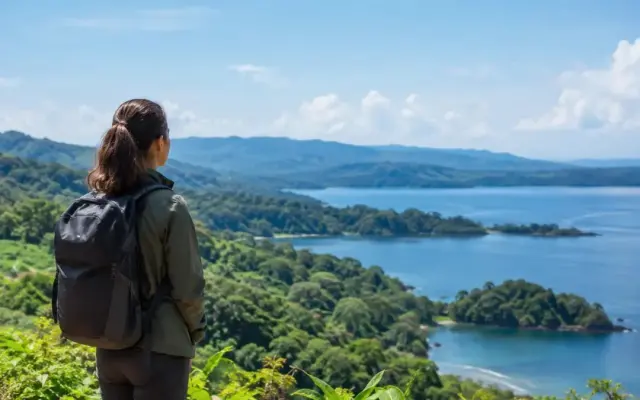
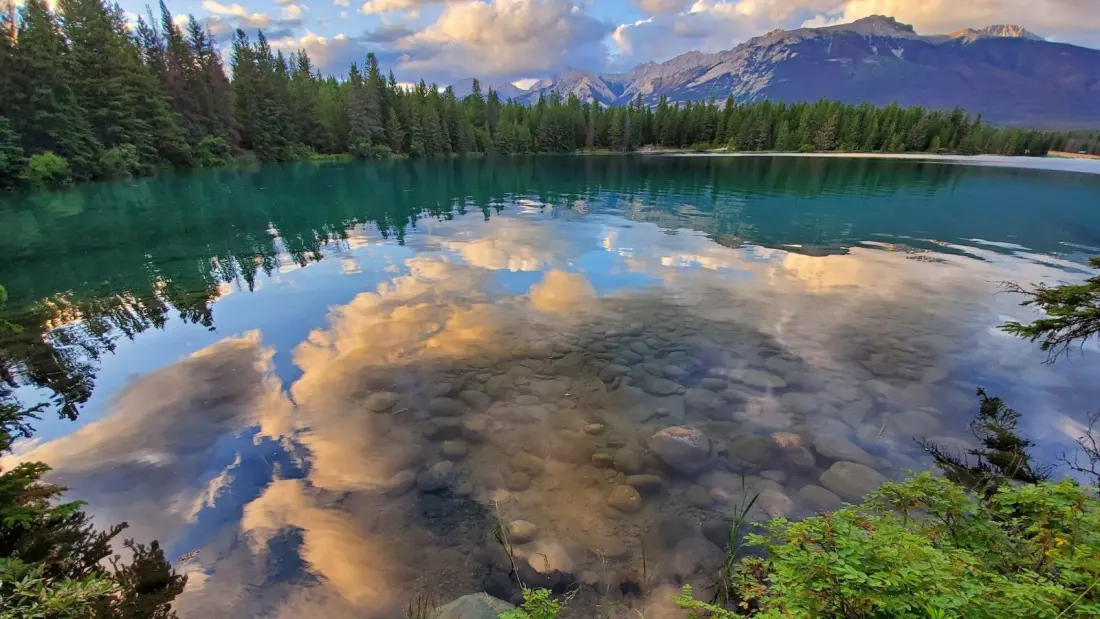
For travellers, this is a nice reminder that Alberta's shoulder season can deliver genuine bonus days. A 16°C afternoon in Jasper in November is rare — those temperatures are more typical of late May — and it makes for surprisingly pleasant conditions for hiking the valley trails, wildlife spotting, or simply wandering the townsite without winter gear. The same goes for Grande Prairie and the Peace Country, where early snow usually arrives well before mid-November.
There's a practical angle too. Warm, dry starts to November can extend the window for driving routes like the Icefields Parkway before serious winter conditions set in, and they can make late-season camping or shoulder-season hotel deals more appealing. Of course, mountain weather flips fast: a 16°C Tuesday can be followed by a snowstorm by the weekend, so anyone heading to Jasper or the Rockies in November should still pack layers and check road conditions daily.
It's worth noting the long-term context as well. Environment Canada keeps daily temperature records going back a century or more at stations like Beaverlodge and Jasper, and beating marks from the 1920s and 1940s by several degrees is a signal of how much warmer some Novembers are becoming in Western Canada. For trip planners, that argues for keeping expectations flexible — late-fall trips to Alberta may increasingly swing between t-shirt weather and full winter mode within the same week.
If you've been sitting on the idea of a low-season Alberta trip — fewer crowds in Jasper, cheaper rooms in the cities, quiet trails around Sundre — weeks like this one show exactly what the shoulder season can offer.