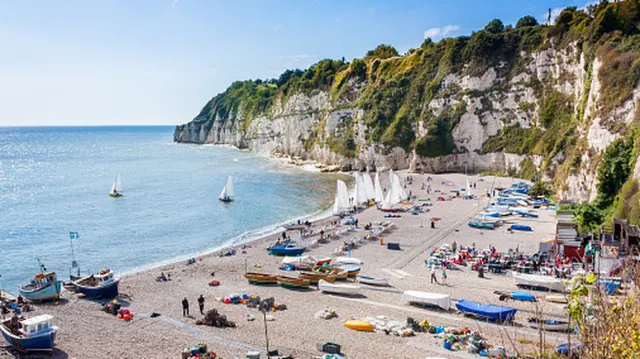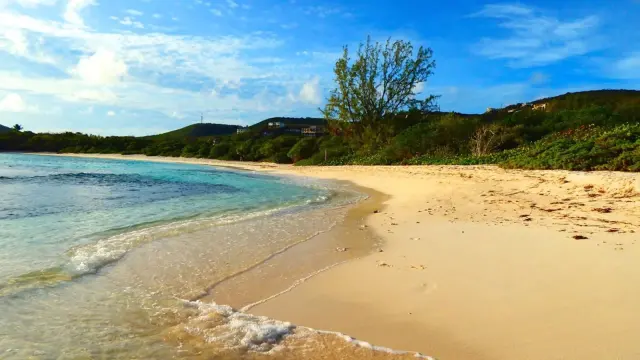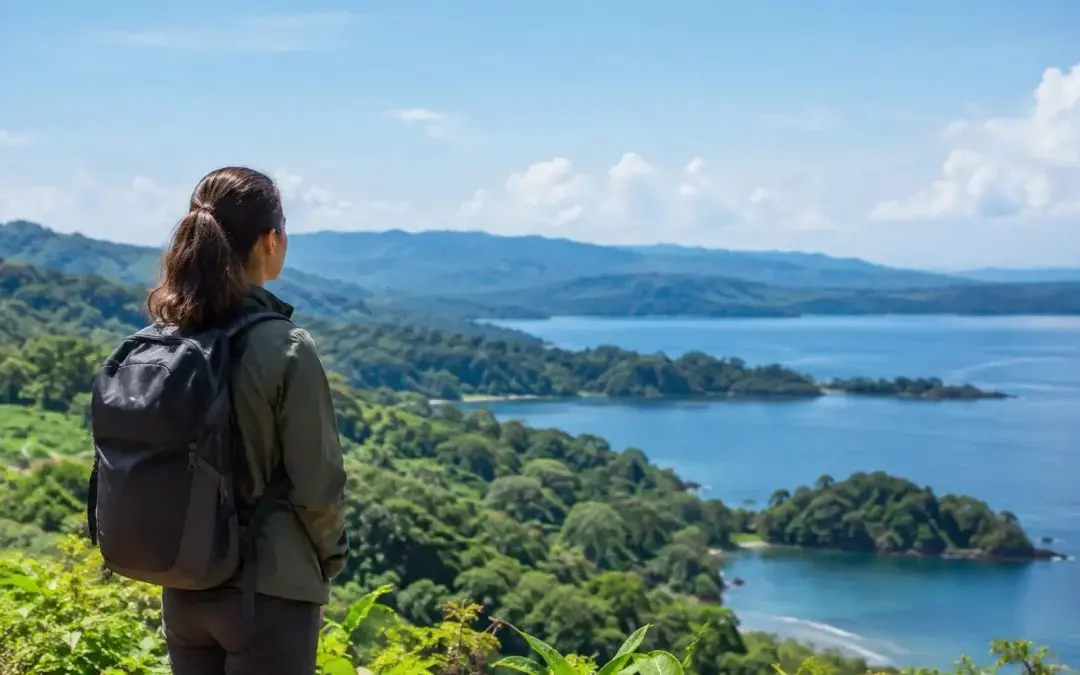
Costa Rica has spent decades building a reputation as one of the world's greenest countries, but the conversation is shifting. According to Howler Costa Rica, the tougher question now is climate resilience: can towns, farms, roads, hotels and water systems keep functioning as floods, droughts and coastal erosion become less predictable?
The country has real advantages. Protected forests hold soil and regulate water, mangrove estuaries soften wave energy and shelter fish nurseries, and shade-grown farms protect biodiversity. Ecotourism has long treated nature as working infrastructure rather than just scenery. But pressure is mounting. The Pacific and Caribbean coasts keep attracting new hotels and vacation homes, while the Central Valley's growth strains water supplies, roads and housing. Growth itself isn't the enemy — the issue is whether it respects flood zones, water availability, building standards and what local infrastructure can actually handle.
Water is the flashpoint. In beach communities, it's sometimes too much of it — intense downpours overwhelm culverts and send sediment into rivers — and sometimes too little, especially in drier regions where tourism, farming and new neighbourhoods tap the same limited sources. There's no single fix: rainwater capture helps but doesn't replace a regulated supply, private wells can shortchange neighbours and ecosystems, and desalination demands energy and investment. Meanwhile, coastlines themselves are moving. Beaches shift with the seasons, rivers change course, and sea-level rise raises the stakes wherever buildings sit too close to the shore or natural buffers have been cleared.
There's also a lesson in how repairs get done. If a road washes out every rainy season, rebuilding it identically is expensive repetition. A resilient approach looks upstream — why is the slope unstable, where does runoff concentrate, has development altered natural drainage, and who maintains the fix after the ribbon-cutting?
For travellers, the takeaway is refreshingly simple. Support businesses that treat wastewater, cut waste, hire locally and respect wildlife — and be sceptical of sustainability claims that amount to a bamboo straw at check-in. Use water and electricity as the shared resources they are, especially in areas under seasonal strain, and keep rubbish out of rivers and beaches where it worsens flooding. For anyone considering buying property or building, resilience belongs in due diligence from day one: check drainage, rainy-season road access, elevation, nearby waterways, legal setbacks and the actual water source before falling for a sunset presentation.
What makes Costa Rica's approach interesting is its insistence that local knowledge counts. Fishers know how shorelines have changed, farmers notice shifting rains, and longtime residents remember exactly where water flows in a truly big storm. Technical studies land better when paired with the people who live with a place year after year. For visitors, that's a good reminder to choose communities and operators doing the unglamorous work — drainage maintenance, honest guest communication during storms, continuity planning — because that steadiness is what keeps a destination worth returning to.