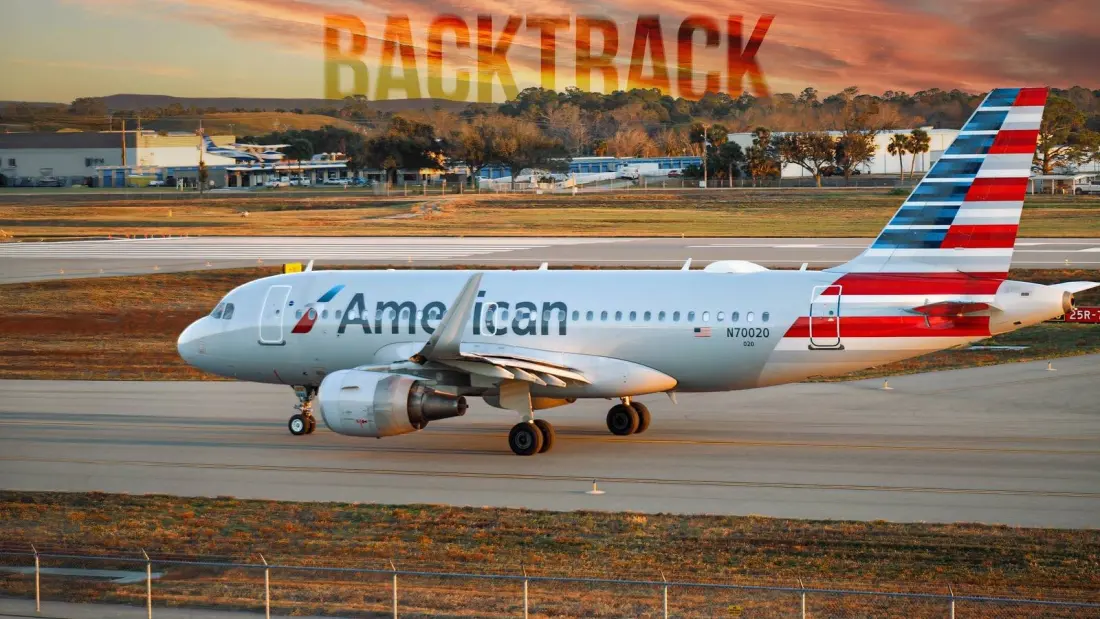
American Airlines has reversed course on one of its most argued-about cabin choices: after years of telling passengers to stream on their own phones and tablets, the carrier announced on August 18 that every seat on its narrowbody fleet will get a seatback screen again. New aircraft deliveries from 2028 will come with displays fitted as standard, and existing jets will be retrofitted, with the rollout stretching into the early 2030s.
There's an awkward wrinkle. Thirty-two legacy Airbus A319s are currently going through a refurbishment that strips out their old screens — and by June, 23 of them had already had the displays removed, with the remaining nine due to finish by the end of the northern summer. American hasn't said when, or even whether, these specific aircraft will get the new screens, so some jets could end up briefly flying with no built-in entertainment at all. These cabin updates also add a row of First Class seating, bringing refurbished A319s to 12 first seats, while A320s get 16.
The backstory explains the flip. Back in 2017, American said over 90% of its passengers carried a device onboard, and under its Project Oasis modifications it pulled screens from aircraft like the Boeing 737-800 and A321, swapping them for device holders. The saving grace now is that the new setup is a genuine upgrade, not a return to the old hardware: 4K displays, Bluetooth audio so you can use your own wireless headphones, USB-C fast charging, more content, personalised recommendations, and enhanced flight maps with destination info. American claims they'll be among the largest seatback screens on North American narrowbodies, though it hasn't published dimensions or named the supplier.
Two other big programmes complicate the picture. American wants premium seating to grow from roughly 25% of narrowbody seats today to around 40%, through retrofits and new deliveries. And its Starlink satellite Wi-Fi push — first announced in May for over 500 Airbus jets, then expanded on October 8 to the entire mainline fleet of more than 1,000 aircraft — starts installations in early 2027. The airline hasn't published an aircraft-by-aircraft schedule for any of it, so exactly which jet gets screens, Wi-Fi or new seats first is anyone's guess.
Why should a traveller care? If you fly American domestically, the era of holding your phone at arm's length for three hours is ending — seatback entertainment, faster charging and free-flowing satellite internet are all on the way. But patience is required: the timeline runs from 2027 to the early 2030s, and some A319s may sit in a screen-less limbo in the meantime. Frequent flyers on short-haul routes should check the aircraft type before assuming what's overhead their seat. Simple Flying has the details.