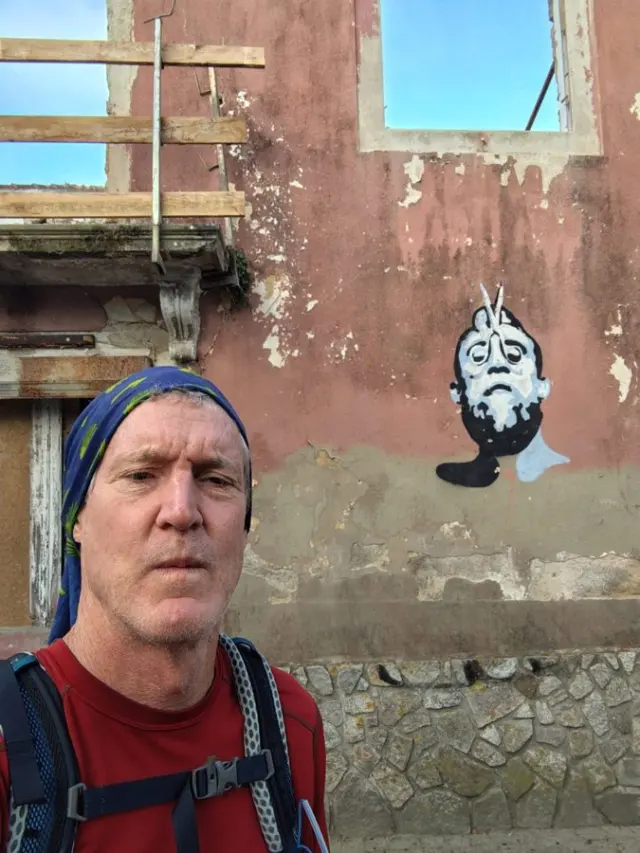
Two long-distance walkers have just finished the final leg of a 701.6-mile Camino pilgrimage, closing out the journey with a 13-mile day from Viana do Castelo to the seaside town of Esposende in northern Portugal. Their account of day 51 is a useful read for anyone eyeing the Coastal Camino Portuguese — it's a candid look at both the headaches and the unexpected joys of the route.
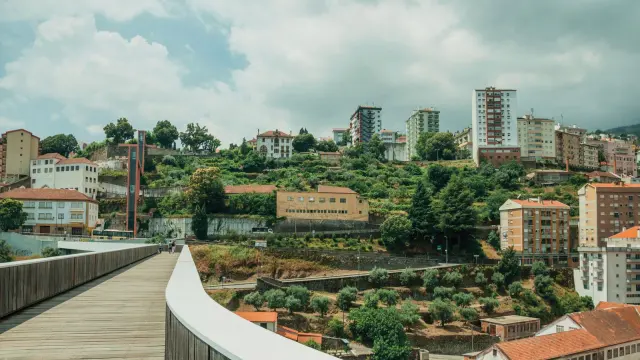
The day started early, as days on this stretch tend to: sunrise comes around 5:30 a.m. in Portugal, and the pair were walking by 7 to beat the heat, which climbed from the 60s into the 70s by afternoon. First hurdle out of Viana do Castelo's old town was the long steel bridge over the river — it shakes noticeably every time a heavy vehicle passes. Then came a wrong turn in Anha (alertly flagged by a honking driver) and a stiff mountain climb rewarded with valley views of villages, forested hills and the coast beyond.
What makes this account interesting is that the walkers didn't stick rigidly to the official Camino markers. Using Google Maps, they pieced together their own quiet alternatives: cobbled lanes hemmed by 10- and 12-foot stone walls, a forest track alongside a creek, and a shaded pine-and-eucalyptus stretch near the end that they describe as the best walking of the day — no traffic, just ocean breeze. The trade-offs are real, though. A shortcut once dumped them onto a busy national highway with no shoulder for 750 nerve-wracking metres, forcing a careful side-to-side dodge. Anyone tempted to freelance the route should weigh quiet lanes against the occasional scary road crossing.
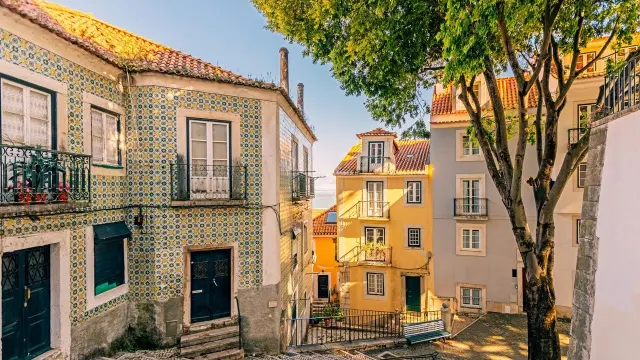
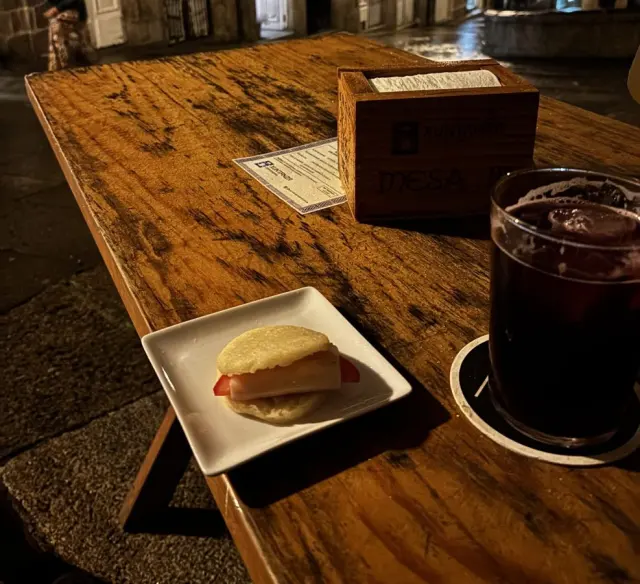
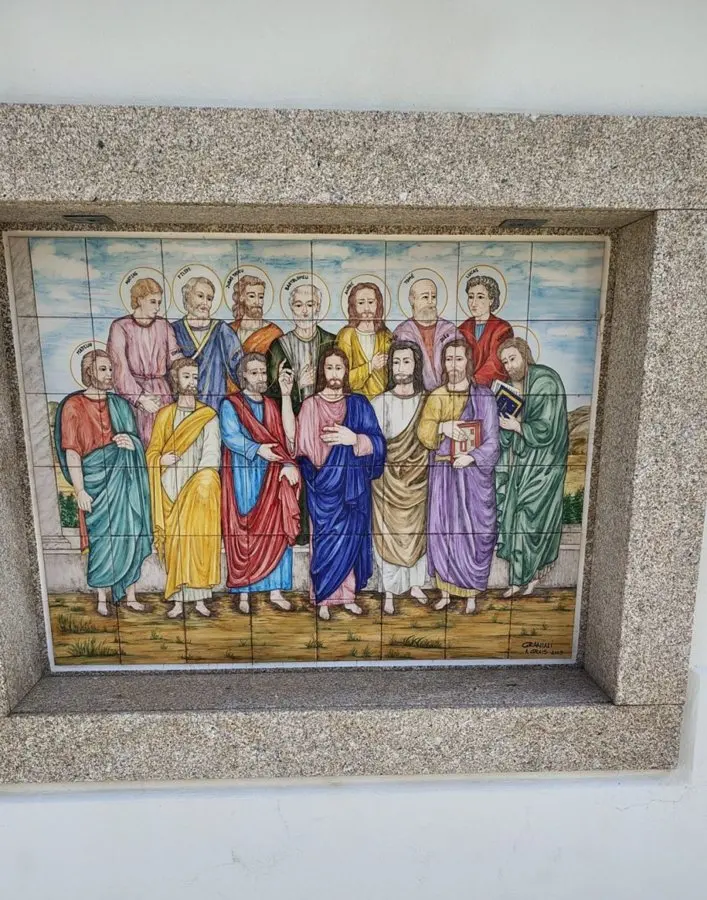
The cultural payoffs are the reason people walk this thing. One village church hid brilliant blue azulejo tilework inside, plus a tile mural of Jesus and the apostles and roadside shrines with candles still burning. A monastery's enormous stone wall lined the road for miles. And when hunger struck, a local woman not only recommended a barbecue joint popular with residents but opened her own garden gate to point them through an alley shortcut. The barbecue chicken, they report, had a flavour unlike anything else on the walk. Even the humble breakfast stop is worth knowing about: Portuguese pastries run drier than their Spanish counterparts, and ham-and-cheese sandwiches come on sweet bread a bit like Hawaiian rolls — all remarkably cheap.
Why should a traveller care? The Coastal Camino from Porto to Santiago is one of Europe's most approachable long-distance walks, and this final day shows exactly what it delivers: coastline, history, cheap food, and locals willing to help a stranger. It's ideal for reasonably fit walkers who want structure but aren't afraid to reroute around traffic. And there's a poignant note at the end that anyone who's finished a long trail will recognise — the strange, slightly hollow feeling of waking up with nowhere to walk to.