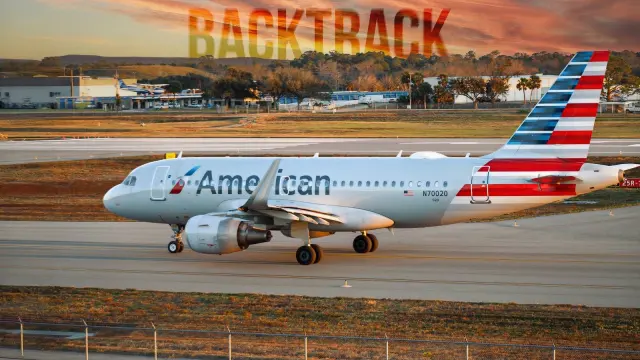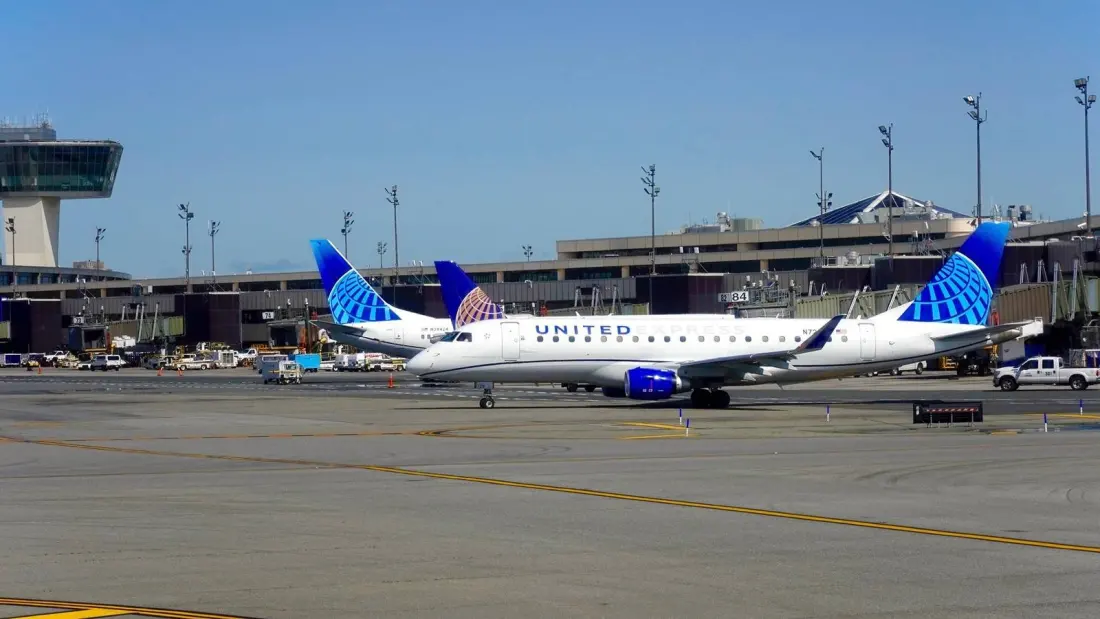
If you're flying through New York this year, build some buffer time into your plans. Federal data shows that flights to and from the city accounted for a quarter of all excessive tarmac delays reported in the US in September — those are the ones where passengers sit on the apron for more than three hours on domestic routes, or over four hours on international ones.
The Department of Transportation's Air Travel Consumer Report flagged 16 such flights nationwide for September, and four of them involved JFK or Newark. The airlines most implicated include American, United and JetBlue. One extreme case: United flight 123 from London Heathrow to Newark was diverted to Stewart International in the Hudson Valley, where it sat for four hours and 25 minutes on September 21. An American service from Mexico City bound for New York got diverted to Charlotte, and an Avianca flight from Medellin to Miami was held for five hours after a diversion.
The punctuality stats across New York's three main airports make grim reading for travellers. LaGuardia posted an on-time arrival rate of just 68.8% in September — fifth-worst among the 30 largest US airports — while Newark managed 76.9% and JFK 75%. JetBlue fared worst of the eight airlines reported, with only 72% of its arrivals on time and 2.1% of flights cancelled.
The problems aren't unique to New York, though the city's congested airspace and tight, slot-constrained schedules make it especially vulnerable to cascading delays. Nationally, more than 121,000 flights were cancelled in the first nine months of the year, up 42% on the previous year. JetBlue alone scrapped 7,536 flights through September — more than triple the same period a year earlier. Underlying causes include ageing air traffic control telecom equipment, controller shortages, hub congestion and severe weather.
There are a few bright spots: Delta stands out for punctuality, Allegiant keeps cancellations low, and US carriers maintain strong safety records even when their operations wobble.
For holidaymakers, the practical takeaway is straightforward. New York is served by three busy airports running close to capacity, so a single disruption can ripple across your whole itinerary. If you're connecting through JFK, Newark or LaGuardia, leave generous layover time, consider booking the first flight of the day when aircraft are freshly positioned, and check whether your airline rebooks you automatically during diversions. Travel insurance that covers long delays is worth the outlay this year — and if you're tight on time, Delta's track record may tip your booking decision.