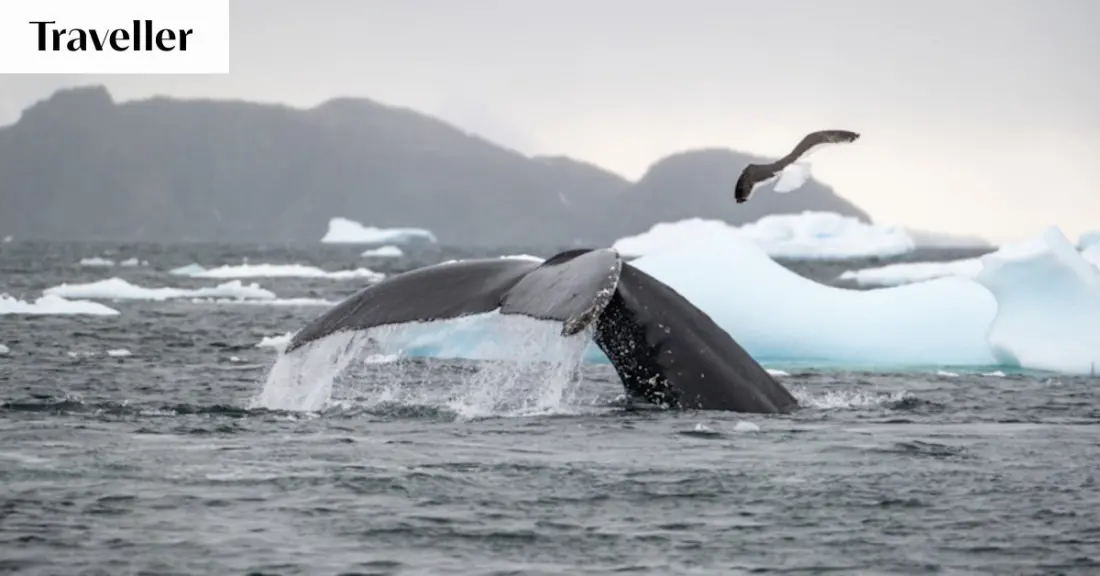
Most Antarctic cruises race south in November and December, chasing pristine snow and the midnight sun. But the real wildlife show happens much later. On a 10-day Silversea voyage aboard Silver Wind in early March, guests watched dozens of humpback whales bubble-net feeding in Charlotte Bay — a cooperative hunt where the whales spiral bubbles beneath krill swarms, then surge up through the water with mouths agape. It's a spectacle few travellers ever see, and it only happens late in the season when humpbacks are fattening up before their 10,000-kilometre migration north to tropical breeding waters.
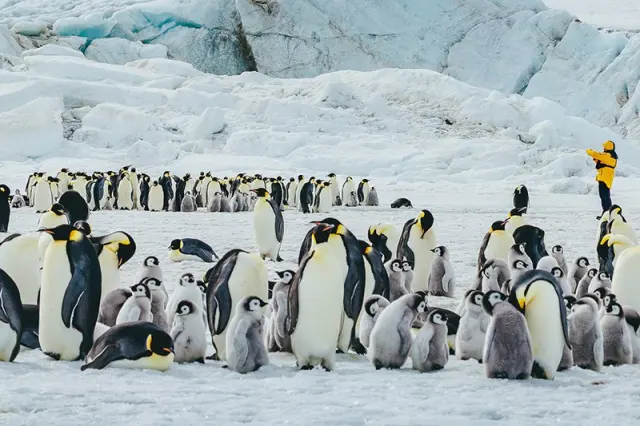
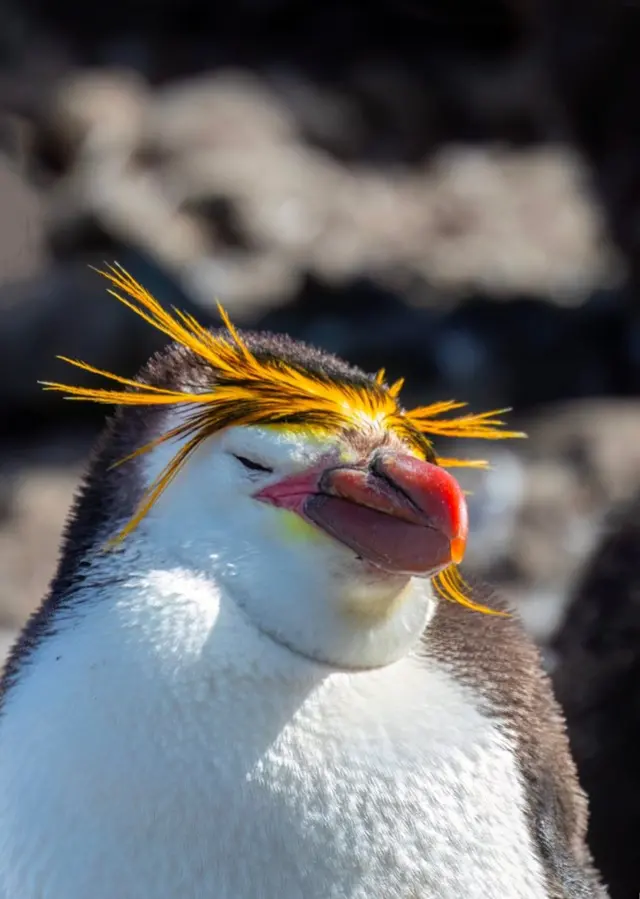
Late season has other perks. The penguins, rather than sitting on eggs, are going through their 'catastrophic moult' — losing all their feathers at once and sulking around the shoreline in shabby, half-shed coats until new waterproof plumage grows in. On Cuverville Island, thousands of gentoos greeted the Zodiacs like a grievance committee, honking and marching in protest, which makes for comedy as much as wildlife-watching. February and March visitors also get proper sunrises and sunsets, something the austral summer's endless daylight can't offer — one described a sunrise off the Melchior Islands burning from saffron to crimson against neon icebergs.
There's a practical upside too. Fewer ships are on the water late in the season, so when weather scuppered a landing at Cierva Island, the captain simply re-routed to Cuverville instead. Flexible itineraries like this are easier when the approved landing sites aren't crowded.
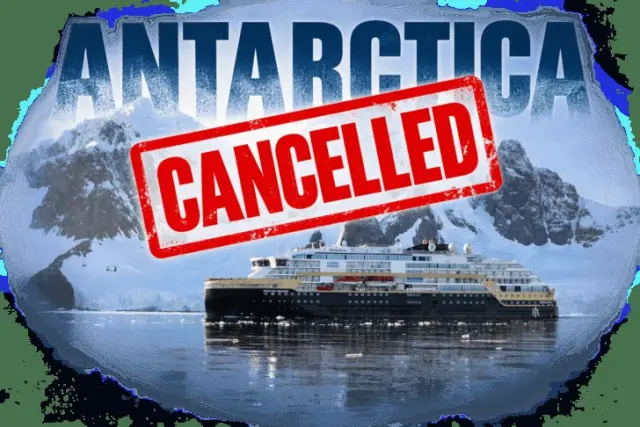
The trip itself: Silver Wind, built in 1995 and converted to a polar expedition ship in 2021, carries 274 guests with an ice-class hull, a mudroom and 24 Zodiacs. Onboard, the 28-strong expedition team includes marine biologists, a zoologist, a climatologist-turned-expedition-leader with 92 Antarctic voyages behind her, kayak guides and a crevasse rescue specialist. Guests upload sightings to citizen science platforms like Happywhale and eBird, and every landing follows strict IAATO biosecurity rules — nothing touches the ground except boots and pole tips, with disinfection after each excursion, partly due to avian flu risk.
Just over 85,000 people made landings in Antarctica during the 2025-2026 season out of 112,412 visitors — about the capacity of a large football stadium. Since the continent has no permanent population to advocate for it, operators lean heavily on the idea that every visitor becomes an ambassador for its protection.
For travellers who care more about wildlife density and behaviour than photogenic pack ice, a late-February or March sailing is arguably the smarter trip. Expect whales feeding aggressively, moulting penguins everywhere, softer light and more itinerary flexibility — plus, on Silversea at least, butler service and fine dining after a day of leopard seals and albatross. Suites on the 10-day Puerto Williams round-trip cruise start from $23,000 a person, including a pre-cruise hotel stay in Santiago, charter flights, and all onboard food, drink and activities. From October 2026, fly-cruise guests will use Silversea's new 150-room hotel in Puerto Williams as their base.