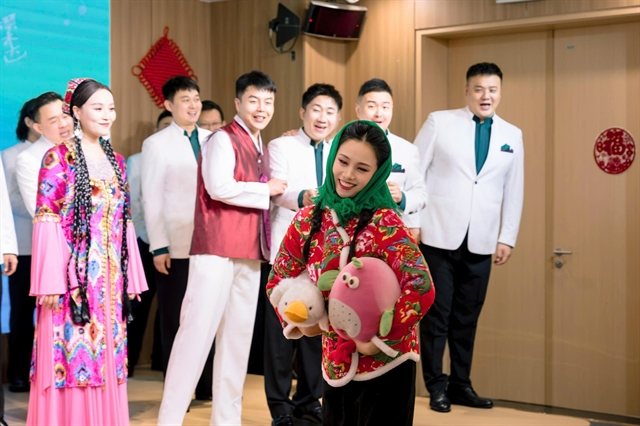
Hà Nội audiences got an unusual evening out this month: a full choral programme of Chinese folk songs staged at the Chinese Cultural Centre on November 13, performed by the China National Traditional Orchestra. It was the ensemble's second appearance in the Vietnamese capital in three days, following a November 11 show at the Việt Nam National Arts Theatre.
The programme, titled Dialogue – Resonance – A Journey with Chinese Folk Songs, is built around the orchestra's signature project, Traveling with Folk Songs. The idea is simple and rather travel-friendly: use songs as a route map through China. Four chapters carried twelve classic folk pieces drawn from different regions and ethnic communities — Hebei, Shanxi, southern Shaanxi and Guizhou among them — with choral arrangements as the backbone of the show.
Between the vocal numbers came solo slots on traditional instruments, including the bamboo flute and the lusheng, a polyphonic free-reed mouth organ with roughly 3,000 years of history behind it. Together, the pieces sketch out daily life, customs and cultural character of the communities they come from — a kind of armchair ethnography set to music.
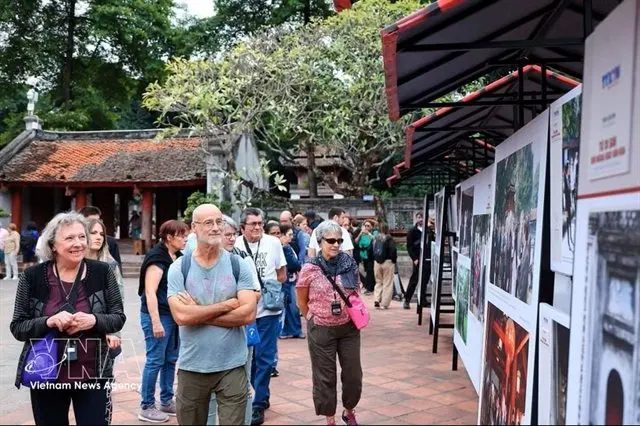
The organisers went beyond the stage, too. The venue hosted a photography exhibition and short video screenings showing the natural scenery of the regions featured in the Traveling with Folk Songs project, so visitors could put faces and landscapes to the songs.
The orchestra itself carries some weight. Founded in Beijing in 1960, it is a national-level performing arts body under China's Ministry of Culture and Tourism, with an explicit remit to promote Chinese musical heritage. The double-header in Hà Nội was framed as a cultural exchange effort between the two neighbours, and it fits a broader pattern: traditional music showcases are increasingly doubling as soft-power tourism ambassadors, planting seeds for trips viewers might later take themselves.
Why should a traveller care? If you're heading to China, this programme is essentially a preview. Regional folk traditions vary enormously — the melodies of Hebei sound nothing like the mountain songs of Guizhou — and hearing them performed properly makes those differences legible before you arrive. And for anyone already in Hà Nội, events like this at the Chinese Cultural Centre are a free or low-cost way to catch world-class touring ensembles that rarely tour Western capitals. Check what's on at the centre if you're in the city; the calendar tends to favour exactly this kind of cross-border cultural programming.
The shows themselves have wrapped, but the takeaway stands: folk music can be one of the most rewarding entry points into a country, and both Việt Nam and China have rich traditions worth building an itinerary around.