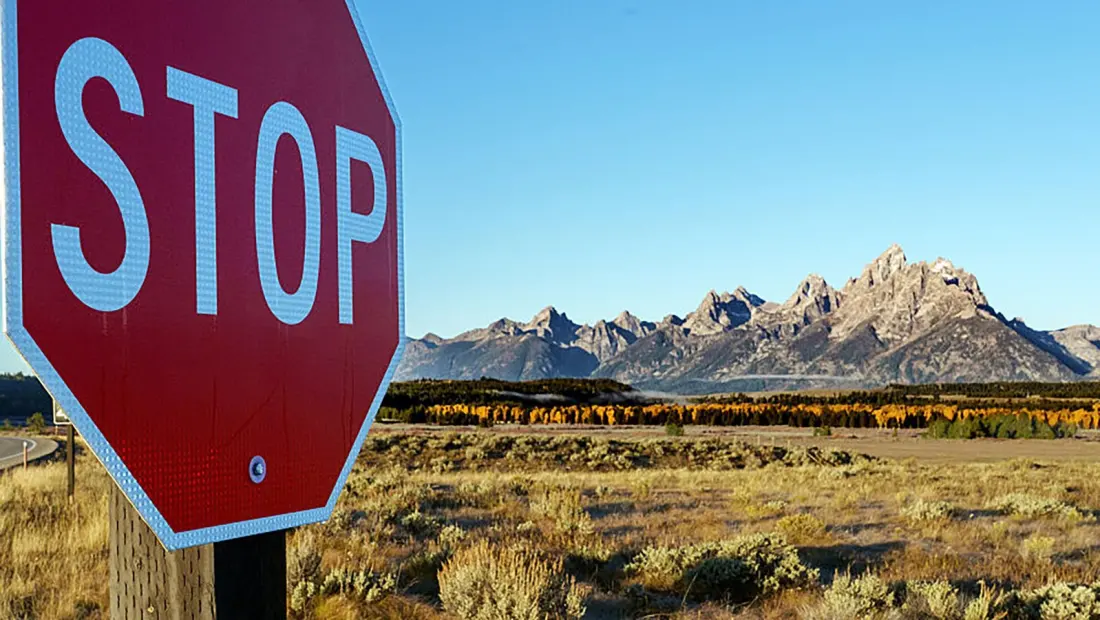
Major League Baseball and the Trump Administration have reportedly been exploring something unusual: staging a professional baseball game inside Grand Teton National Park. The Washington Post broke the news on 26 September, and the reaction from Wyoming has been swift, bipartisan and almost entirely negative.
The pushback spans the political spectrum. Democratic state senator Mike Gireau called the idea 'absolutely abhorrent' and told Cowboy State Daily that whoever pitched it should lose their job. Republican Senator John Barrasso, who sits on the Congressional subcommittee for National Parks, was more measured but equally firm. He acknowledged that America's pastime framed by the Tetons would be a spectacle, but argued it would be impossible to plan, permit and responsibly build a ballpark without damaging a park famous for grizzly bears, elk and some of the most photographed mountain views in America.
Governor Mark Gordon, also a Republican, echoed that in a statement to the Jackson Hole News & Guide, saying he could not bear to lose the night sky, the sound of elk bugling or an evening in 'that valley that God made almost perfect'.
Local officials were similarly caught off guard. On 28 September the Jackson town council, along with Teton County commissioners, drafted a letter to Interior Secretary Douglas Burgun urging the National Park Service to reject the proposal. Their objections were practical as well as philosophical: the plan reportedly has no environmental safeguards and no cost estimate, and even temporary infrastructure can fragment habitat, disturb wildlife with noise and light, and strain park resources. Their request: if any large-scale event is planned, hold it outside the park at a venue that can handle it.
The White House has since distanced itself, releasing a statement saying the idea is not a presidential directive, not driven by the Department of Interior, and 'not a White House or Administration priority'. Whether the plan is dead or merely benched remains to be seen.
For travellers, this matters because it gets at the heart of what national parks are for. Grand Teton is a 310,000-acre protected landscape neighbouring Yellowstone, prized precisely for its silence, dark skies and abundant wildlife. The near-unanimous local opposition shows how seriously Wyoming treats that status, and it's a reminder that even high-profile events can face real resistance when they threaten protected land. If you're planning a trip to the Tetons this year or next, nothing about this proposal should change your plans. The park remains open, its trails, scenic drives and wildlife viewing are unaffected, and the people who govern it seem determined to keep it that way.