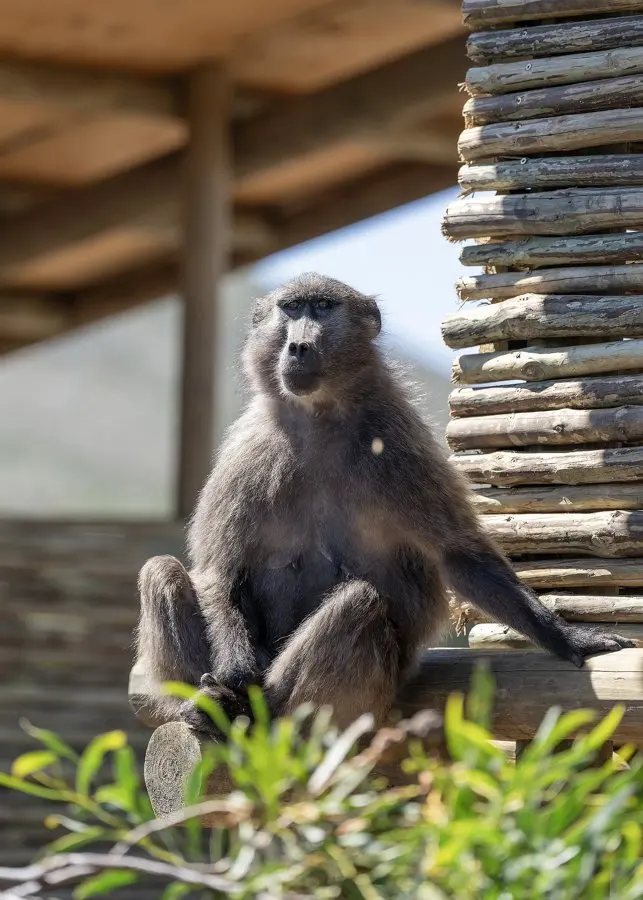
The 44-strong Waterfall baboon troop, once a familiar sight raiding bins and rooftops around Simon's Town, has been relocated to an enclosed section of the Urban Wildlife Centre at Kogelfontein, a natural area beside Table Mountain National Park. Cape Town's authorities moved the animals over the weekend of 14 November, and have now given their first official account of how the troop is coping.
The decision ended years of escalating conflict on the Cape Peninsula. In their joint statement, released on 17 November through the Cape Peninsula Baboon Management Joint Task Team, the City of Cape Town, SANParks and CapeNature pointed to a grim record: baboons shot with pellet guns, attacked by dogs, hit by cars, and routinely entering homes and businesses near Simon's Town, including roosting at the Naval Base. Authorities also weighed a privately funded fencing plan for the area but judged it too slow to implement, leaving the troop exposed to harm in the meantime.
The new enclosure covers 2.31 hectares — a figure the task team says is roughly 5.5 times the minimum required under Global Federation of Animal Sanctuaries standards for Old World primates. It mixes indigenous and exotic vegetation with rocks, sandy patches for digging, water ponds, climbing frames, shaded shelters and sleeping platforms. Early reports are upbeat: the baboons are foraging, climbing trees, playing and using the ponds, while staff monitor them around the clock and supplement their natural diet with browse and scatter feeding.
Crucially, this is not the start of a city-wide roundup. More than 530 baboons remain free-ranging across the Cape Peninsula, where they play an ongoing ecological role, and authorities insist those troops will stay wild under continued conservation and management. The relocation applies only to the Waterfall troop.
That hasn't ended the debate. Removing an entire troop from its range and housing it behind a fence is contentious, and animal welfare groups and residents are still pressing questions about what captivity means for animals that spent their lives roaming the mountains. The SPCA has previously offered rewards after baboon killings, a sign of how heated baboon politics in Cape Town has become.
For visitors, the story is a reminder of a genuinely unusual dynamic: Cape Town is one of the few major cities where wild baboons live on the urban edge, particularly around Simon's Town, Cape Point and the peninsula's mountain trails. If you're visiting, keep food out of sight, don't feed or approach baboons, and secure bags on hikes — encounters are real, and the rules exist to protect both sides. Whether the Waterfall troop will ever be seen roaming free again remains an open question.