San Pedro, the Ambergris Caye town that anchors Belize's beach tourism, hosted a Sargassum Mitigation Technology Showcase on November 12th, where the Belize Tourism Board (BTB) laid out equipment and a strategy for dealing with the seaweed before it ever hits the sand. The event at Sagebrush Church gathered hoteliers, government reps and local authorities around a simple shift in thinking: stop paying to clean beaches after the fact, and start intercepting sargassum offshore.
BTB, backed by government funding, has invested in gear covering every stage of the problem. Floating booms divert the seaweed towards a collection point, an extraction unit — a vortex system working like a dredge pump — sucks up a water-and-seaweed slurry, and conveyors, tritoon platforms, transport bins and an amphibious Weedoo workboat handle dewatering, moving and storage. A demonstration setup in San Pedro is being used to test and refine the components before the model gets rolled out elsewhere, with Placencia and Hopkins next in line.
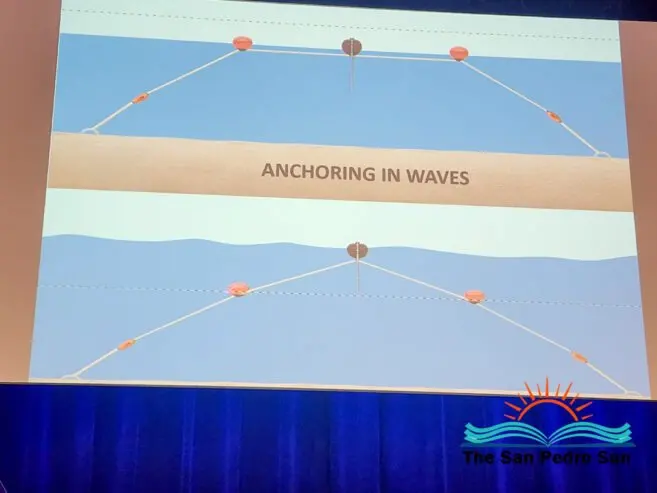
DESMI, the company behind the boom systems, brought a dose of realism. Representative Rolando Chavez explained that booms alone never contain sargassum — waves, currents and the weed's buoyancy push material under or around barriers — so they work only as a diversion with a collection system at the end. The firm has deployed roughly 52,000 metres (about 32 miles) of boom across the Caribbean, in 12 countries, since starting research in 2014. Even a boom running at 85-90% efficiency still lets some sargassum through, and neighbouring beachfront properties need to coordinate, because one gap in the line undoes everyone's efforts.
BTB's Andrew Usher said the approach draws on site visits, including one to Punta Cana in the Dominican Republic, where similar systems are already in commercial use. He was candid that the San Pedro system is still being integrated and tested, that reef conditions, beach access and boat traffic all demand site-specific planning, and that the full chain matters — collection, logistics, disposal, and ideally turning sargassum into a usable product. A live pumping demonstration is planned for February 2027, timed for when the seaweed typically arrives.
Why should travellers care? Belize's beaches — from Ambergris Caye to Placencia — are the country's main draw alongside its reef, and heavy sargassum years have genuinely degraded the experience. A coordinated interception system, if it works at scale, means cleaner swims and better value during the seaweed season. For hoteliers and property owners, the practical takeaways are clear: procurement lead times run three to four months, so orders for the next season need to happen now, and no single property can solve this alone. The honest message from both presenters was that there's no magic fix — but a properly maintained, jointly managed system can keep the worst of it off the shore.