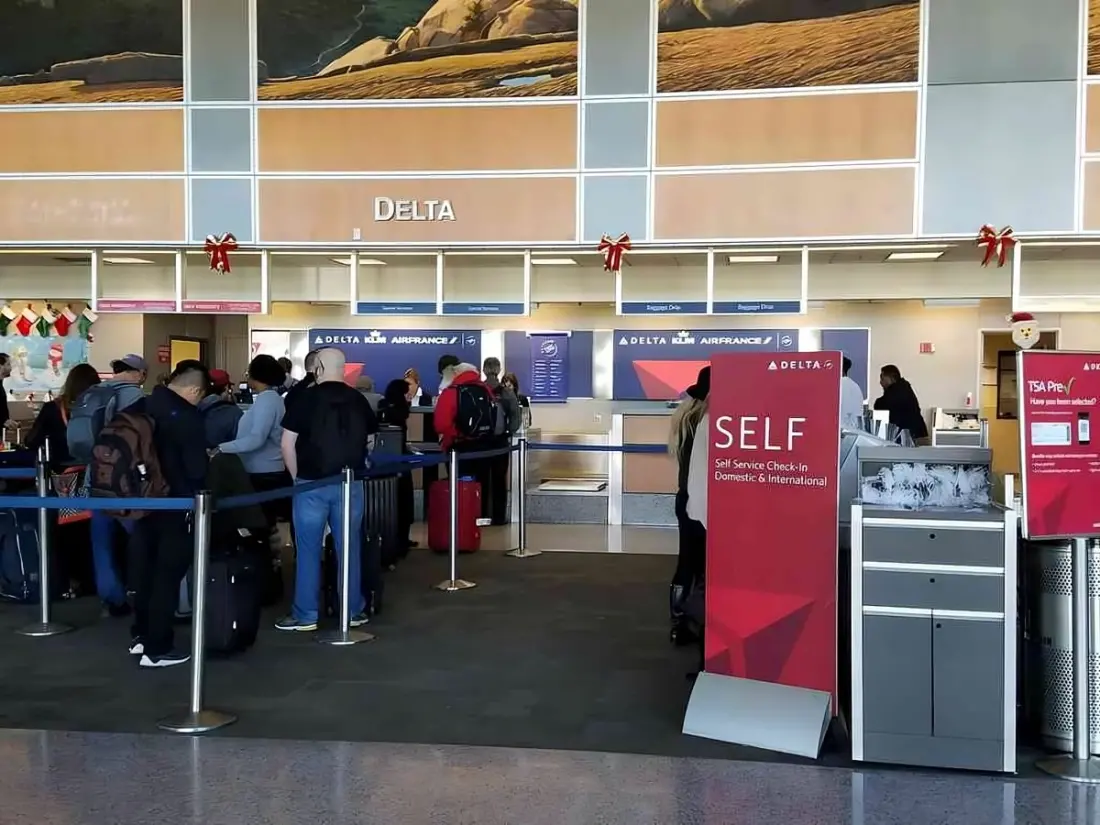
Austin-Bergstrom International was once the kind of airport where you could park and be at your gate in minutes. Those days are gone. The terminal regularly feels packed to the walls at peak times, security lines stretch on busy days, and getting out of the airport isn't much better — rideshare pickups involve a long walk across a road and up and down levels of a parking garage, while the access roads back up badly.
The city's answer is a massive expansion, the 'Journey With AUS' program: a new headhouse, new concourse, rebuilt roadways and parking, funded through airport revenue bonds, passenger facility charges and federal aviation grants. The airport sold $1.18 billion in bonds in May and plans roughly $4.2 billion more through 2030. Practical takeaway for travellers: expect more walking and plan to arrive even earlier than you used to.
What Austin has never had is a train to the airport — and that might finally change. Mayor Kirk Watson has kicked off planning for a three-mile, mostly elevated extension of the city's light rail to a station at the airport. The Federal Transit Administration has agreed to a streamlined environmental review, and the next nine to twelve months will go towards costing and funding the link.
There's history here, and it's a bit sore. In 2020, voters approved an 8.75-cent property tax increase per $100 of assessed value — pitched as $437.50 a year on a $500,000 home — for a $7.1 billion transit package that explicitly included a Blue Line running to the airport. Costs then ballooned, partly from inflation and partly from design changes adding underground tunneling. The rail component grew from $5.8 billion to over $10 billion in estimates; the project was cut from 20 miles to 9.8, from 26 stations to 15, losing both the airport connection and the downtown subway tunnel. Opening slipped from 2029 (with the airport) to 2033 (without it).
Watson's pitch now is that the link can be funded 'without new taxpayer dollars' — largely by having the airport itself pay a share. That's newly possible because FAA guidance from 2021 and 2025 allows airport funds to support on-airport rail infrastructure and ground-access projects, covering the airport-related share of costs. Sceptics note that the airport is city-owned and its revenue ultimately comes from travellers, so 'no new taxes' isn't quite 'no new cost'. The financing structure is also tied up in litigation: the state attorney general sued over the way property taxes fund bonds through a separate nonprofit corporation, and a citizen lawsuit alleges the scaled-down project isn't what voters approved.
Why should a traveller care? Realistically, no one flying into Austin this decade will ride this train — the base system isn't due until 2033, and the airport extension has no opening date at all. But the airport expansion is happening now, and decisions about where a future rail station goes will shape how you arrive and depart for decades. If you travel to Austin regularly, the near-term reality is unchanged: budget extra time, expect crowds, and watch how the new terminal layout changes your arrival routine.
View from the Wing