A legal fight over a fall on plane stairs at Heathrow is heading to the High Court, and it raises a question most travellers never think about: who's responsible when boarding steps go wrong?
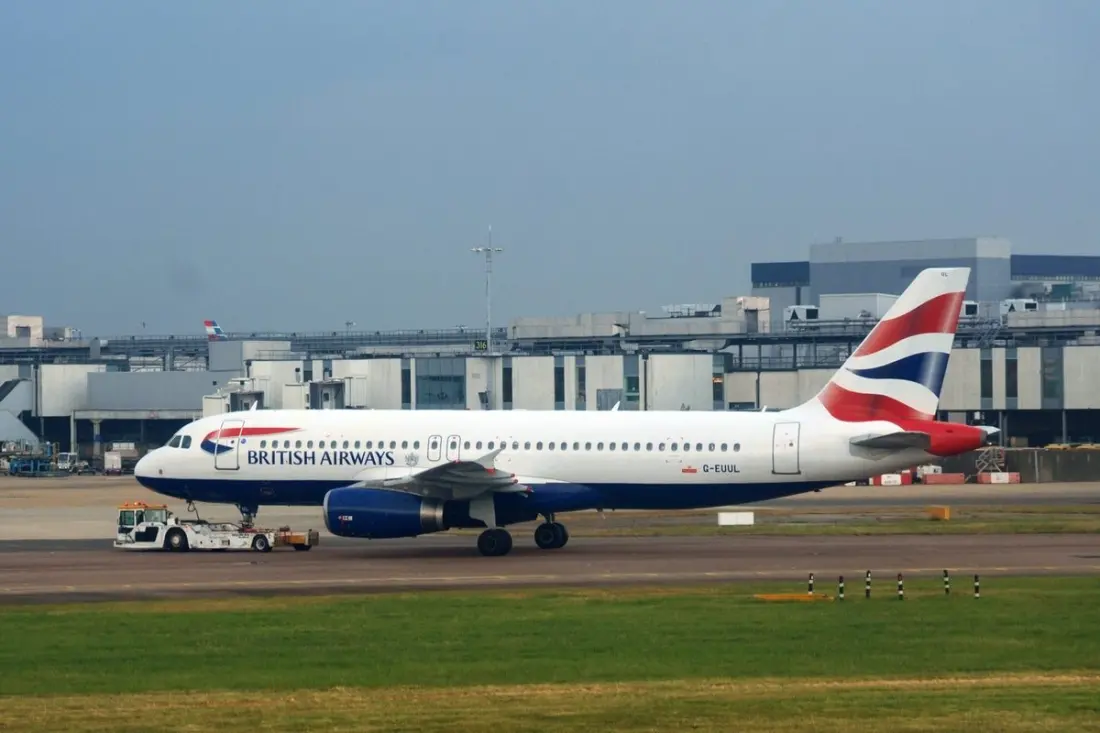
Melissa Phillips, a 49-year-old American from Maryland, was flying home from Israel with British Airways via London in March 2023. As she walked down the aircraft steps to reach the terminal, she fell and suffered spiral fractures to her left fibula and tibia — serious breaks that required surgery at a UK hospital before she could be flown home days later. She is now suing the airline for more than £50,000.
Her lawyers argue the disembarkation was "chaotic", with minimal crowd control or direction from cabin crew as passengers jostled down allegedly damp steps. Phillips was knocked off balance, they say, and BA failed to provide reasonably safe services. The claim also covers ongoing consequences: she continues to experience pain, limited movement and psychological distress, with symptoms expected to be permanent.
BA is contesting the claim. Its defence says the steps weren't damp, that passengers disembarked in an ordinary manner, and that crowd control on air stairs simply isn't normal operating procedure. The airline argues Phillips wasn't looking where she was going, didn't use the handrails, and likely just lost her footing. Notably, BA has offered £6,987 to cover her medical expenses while denying any liability for the rest of the claim. No hearing has taken place yet.
Why does this matter for travellers? Mobile stairs are used at hundreds of airports worldwide — often on low-cost carriers, regional flights and hot-weather destinations where jet bridges aren't available. They're a routine part of flying, but as this case shows, there's no consistent standard for how crew manage the flow of passengers on them. If something goes wrong mid-descent, expect the airline to scrutinise whether you were watching your step and holding the rail.
The practical takeaways are straightforward. Hold the handrail, even if you're carrying bags and in a queue. Watch for wet or slick steps after rain, which is common in the UK. And if you're travelling with elderly relatives or small children, consider letting the crowd thin out before descending. It's also worth checking your travel insurance covers injury during transit — a broken leg abroad, with surgery and a delayed flight home, quickly becomes expensive even when an airline offers partial compensation.
The case will be watched with interest by anyone who flies on routes where air stairs are the norm. For now, it's a reminder that the flight isn't over until your feet are on solid ground.