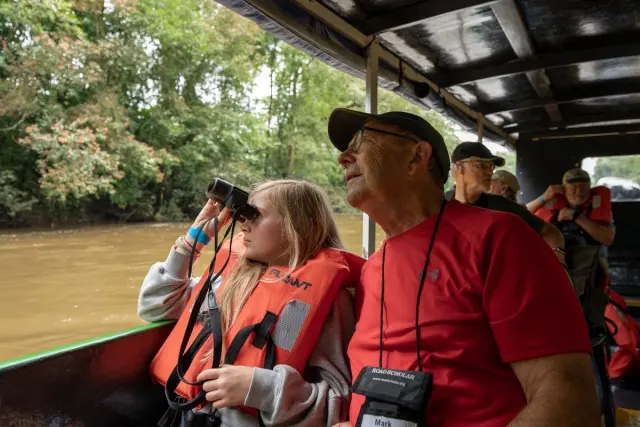
Forty-six American veterans and first responders spent a week in September at Rythmia Life Advancement Center near Tamarindo in Costa Rica's Guanacaste province, drinking ayahuasca in night-time ceremonies alongside yoga, counselling and meditation. The trip, timed around the 25th anniversary of 9/11, was organised with The Coming Home Project, a nonprofit founded by Navy SEAL veteran Nate Brown, and funded largely by the Texas-based Birds Eye View Project.
The human stakes are heavy: a 2026 Department of Veterans Affairs report counted 6,488 veteran suicides in 2024, nearly 18 a day. Participants described real relief — one former Army Ranger turned firefighter said the constant inner conflict that followed him home had quieted considerably. Rythmia's chief medical officer, psychiatrist Jeff McNairy, says trauma is the condition ayahuasca suits best, though roughly half of guests vomit during ceremonies.
What's missing from the feel-good coverage is data. No standardised symptom scores or follow-up assessments were reported for this group, and Rythmia's advertised 97% success rate comes from its own guest surveys. The broader research is intriguing but young: one observational study of 58 veterans at Peru and Jamaica retreats found PTSD symptom scores fell about 26% on average, and its research director says more than 80% of those entering with PTSD no longer met diagnostic criteria afterwards. Still, no large controlled trials exist — the bar regulators demand before approving a treatment.
The risks are not abstract. About 70% of users get acutely ill, and the brew can trigger fatal serotonin syndrome when combined with common SSRI antidepressants — medications many veterans take. Lauren Levis, a 40-year-old social worker from New Mexico, died in August 2024 after taking iboga at a retreat in Paquera on the Nicoya Peninsula despite a pre-retreat ECG showing abnormalities.
Meanwhile, Costa Rica's government position is contradictory. The Health Ministry issued a warning in January 2025 against therapeutic ayahuasca and ibogaine use, yet Rythmia holds a temporary authorisation the ministry tried to cancel in 2024 — a move the Attorney General's Office rejected, citing serious errors in the request and noting no regulation governs or bans ayahuasca. With roughly 80 psychedelic retreat centres in the country, about 60 offering ayahuasca, Costa Rica is the world's second most popular destination for this kind of travel after Peru.
For travellers weighing a retreat, researchers suggest demanding four things in writing: a medical screening covering heart conditions, psychiatric history and medications; a medical professional physically on site; a clear emergency plan with hospital transport; and honest answers about the legal status of what's served. Tapering off antidepressants safely takes six to 12 weeks under supervision — longer than most retreat programmes allow.
This is a story for anyone eyeing Costa Rica's wellness retreat scene: genuine promise, patchy oversight, and safeguards that currently depend on the operators themselves.