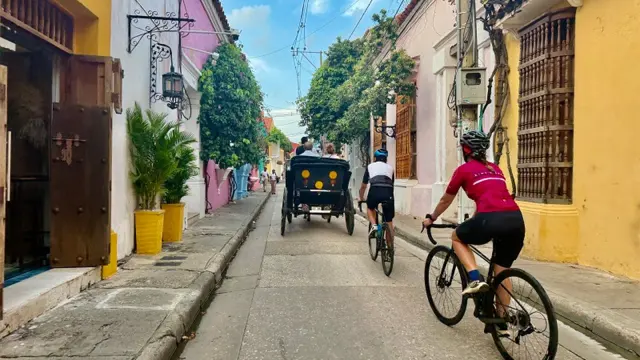
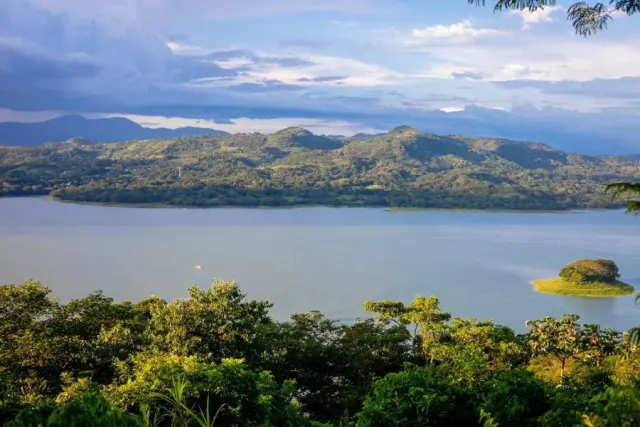
Whole Foods Market has published its annual trend forecast for 2027, and while it's aimed at American supermarket shelves, it reads like a preview of what travellers will be tasting on restaurant menus in the years ahead. For a food-rich country like Colombia, the report is especially relevant: several of its eight trends point straight at products the country already does well.
The strongest overlap is with terroir. The idea that soil, climate and altitude shape a product's character is moving beyond wine into honey, chocolate, grains and seafood. Colombian coffee already plays this game well — Huila, Nariño and the Sierra Nevada de Santa Marta all carry distinct flavour reputations. The forecast suggests cacao and honey could follow the same path, which is good news for visitors who like tasting their way through a country's regions.
Another prediction with local resonance is the return of bitter flavours. Less sugar, more complexity: dark chocolate, intense coffee and botanical drinks are all flagged as growth areas. Brands like Popayán's Cacao Hunters, which works with high-percentage Colombian cacao, are well positioned. Expect more non-alcoholic botanical drinks built on Colombian fruit and herbs on menus too.
The trend list also includes yōshoku — the Japanese tradition of reworking Western dishes — with tonkatsu, omurice and Japanese curry expected to go mainstream in the US, pushed along by social media. Colombia's existing taste for matcha and mochi means Japanese-Colombian hybrid breads and katsu sandwiches could plausibly appear in Bogotá bakeries.
Legumes get their own trend, promoted from side dish to centrepiece thanks to protein content, fibre and low cost. In a country where beans anchor plenty of regional cooking — think bandeja paisa's frijoles or a good lentil stew — this could mean new snack formats and ready-made dishes alongside the classics.
Two more trends are worth noting for anyone watching labels or travelling with sustainability in mind. Ingredient minimalism favours shorter, more recognisable ingredient lists, and Colombia's front-of-package warning labels already push in that direction. And "Zero Waste 2.0" champions turning agricultural byproducts into new foods — coffee husks are named as an obvious opportunity in Colombia.
Rounding out the eight: "beautrition" (foods marketed for skin benefits, where Colombian ingredients like goldenberries, gulupa, turmeric and chontaduro could feature, assuming health claims stay honest), and recipe reinvention — familiar flavours in unexpected forms, from birria ramen to dessert-inspired ice cream.
For travellers, the practical takeaway is that Colombia's food scene looks set to get more interesting, not less. Region-labelled cacao and honey could join coffee as reasons to visit specific areas; restaurants will likely keep experimenting with cross-cultural dishes; and simple, ingredient-led eating suits anyone who wants to taste local produce without heavy processing. If the forecast lands even halfway, a trip through Colombia in 2027 should reward curious eaters from the coffee hills to the Caribbean coast.
Colombian coffee, cacao and legumes: how Whole Foods' 2027 food trends could shape what you eat
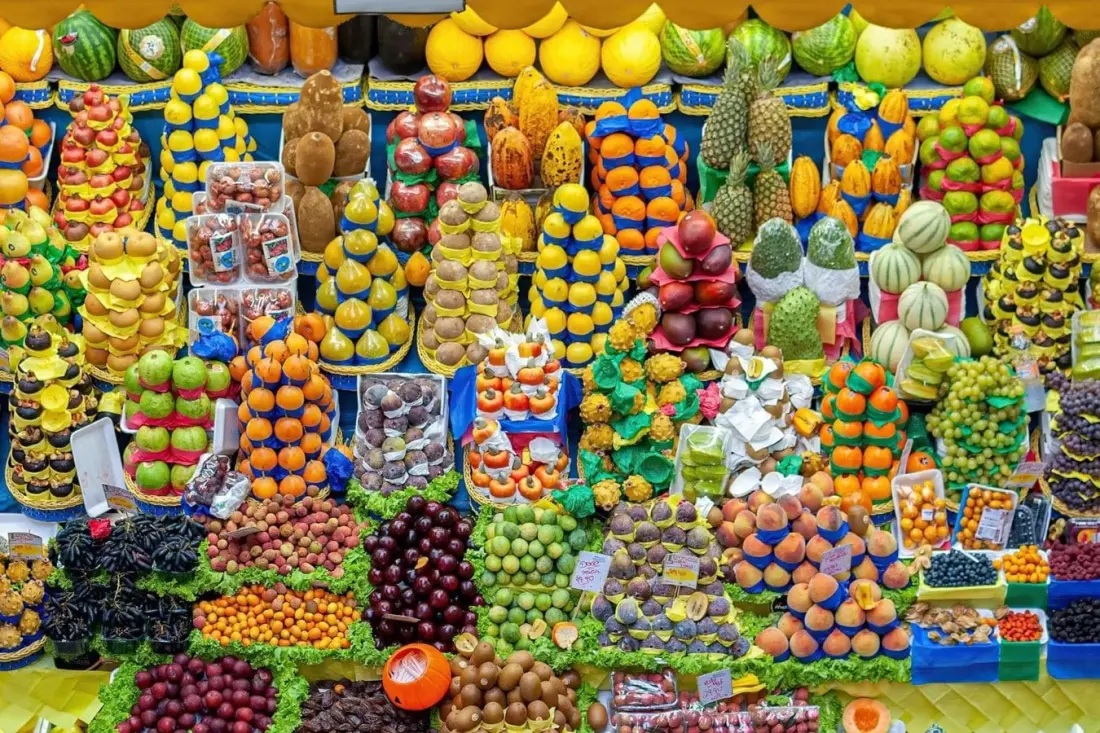
Originally reported by
Colombia One.
This is an independent curation by click.holiday — see the source for the full story.
Drafted by our editorial model from the source above and checked automatically for accuracy against it and for originality. How we work